
U.S. Destroyer Fleet Faces Growing Strain from Sustained Operations Against Iran
Military Watch Magazine Editorial Staff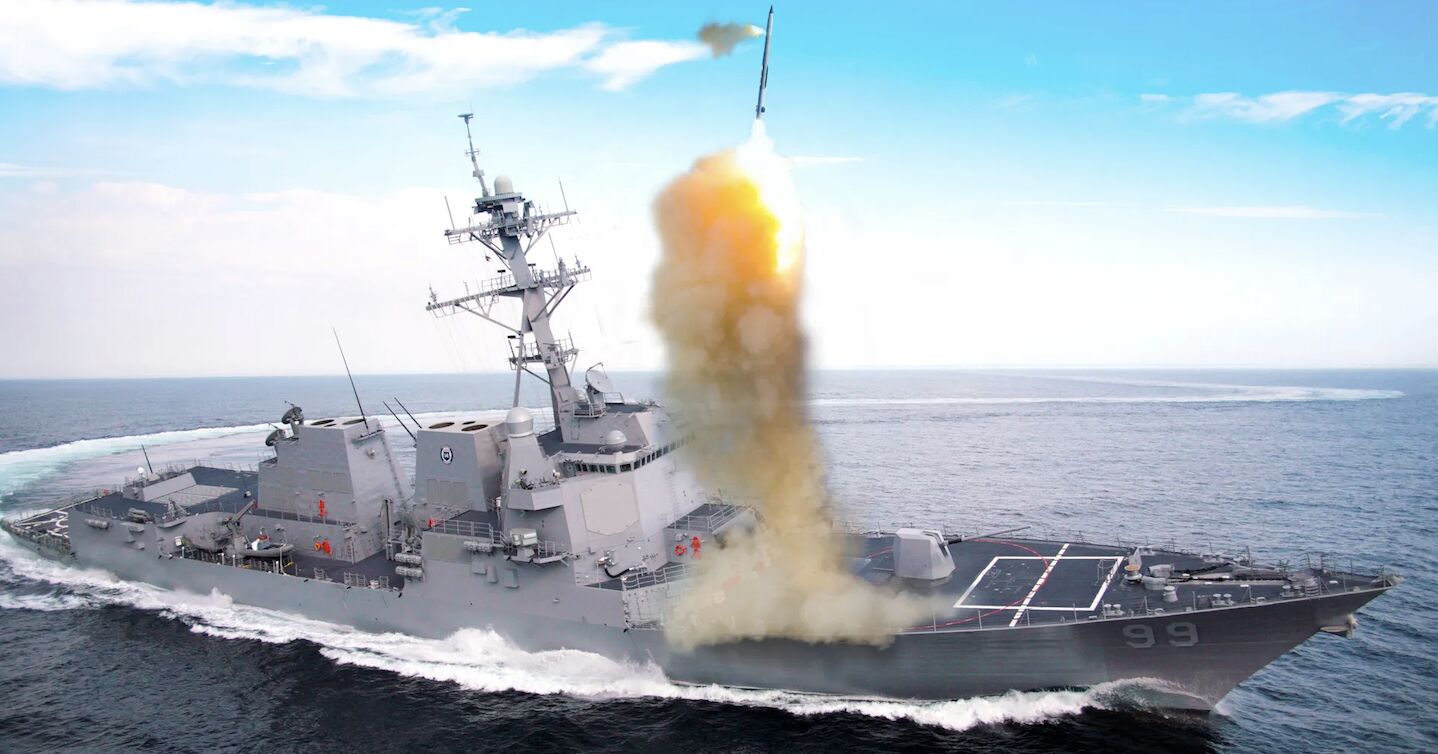
U.S. Navy Arleigh Burke Class Destroyer
The U.S. Navy’s Arleigh Burke class destroyer fleet is facing renewed operational demands in the Middle East, as the service continues to support an ongoing offensive against Iran, raising concerns over the ability of an ageing fleet to sustain a high operational tempo while maintaining scheduled maintenance. According to U.S. Central Command, a substantial concentration of American destroyers is currently supporting operations in the region. As of September 14, two destroyers were operating in the Red Sea, while another 13 were present in the Arabian Sea. The war has demonstrated the intensity of operations that can be imposed on individual destroyers operating around strategically important maritime chokepoints, even against less capable adversaries such as Iran.
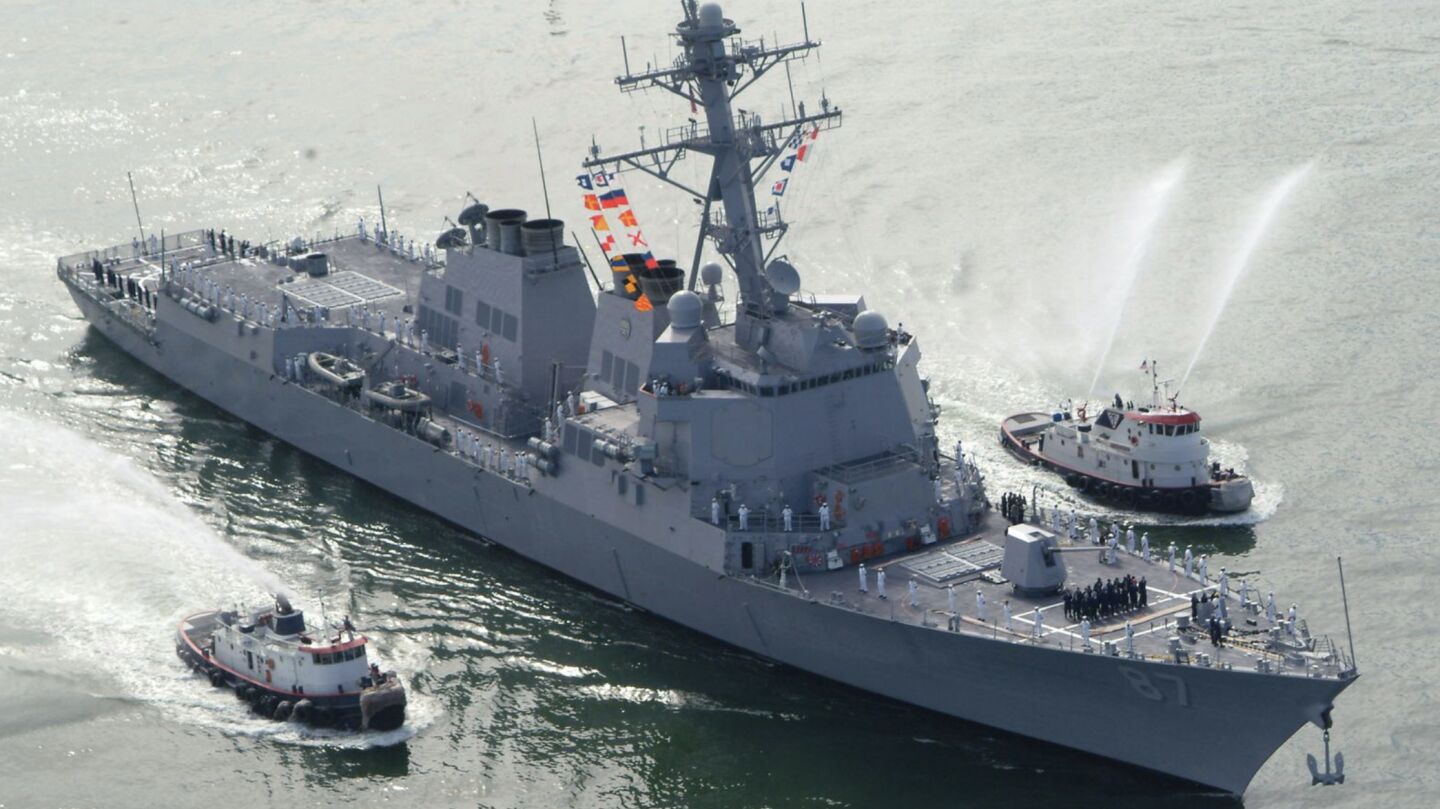
The renewed Middle Eastern deployment comes as the Navy continues to experience significant difficulties keeping its surface combatants on their planned maintenance schedules. The Congressional Budget Office reported in December 2025 that overhauls of Arleigh Burke class destroyers beginning between 2011 and 2024 lasted an average of 26 percent longer than the Navy’s final scheduled estimates. The 225 maintenance periods examined by the CBO also required approximately 8 percent more labour than originally scheduled. The CBO projected that the destroyers would spend an average of more than nine years of their service lives in maintenance, equivalent to approximately 27 percent of their planned operational lifetimes. This was more than twice the roughly four years that the Navy’s 2012 maintenance plans had anticipated.
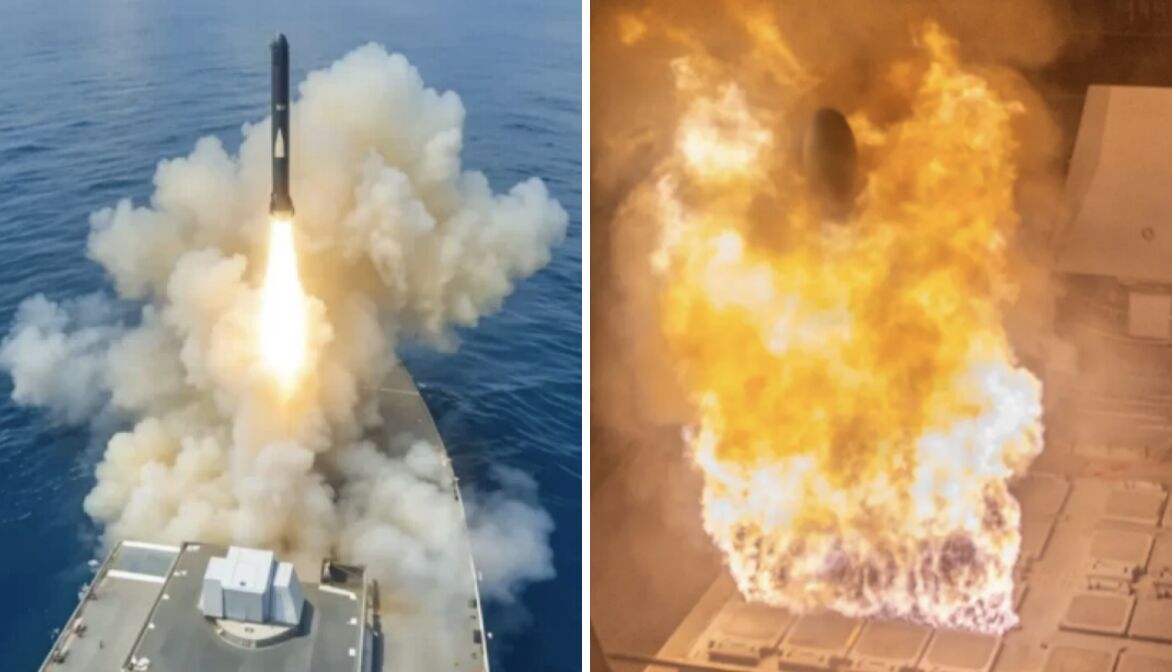
Several factors were identified as contributing to the delays, including the increasing age of the fleet, maintenance that had previously been postponed, delays in inspections and contract awards, unexpected additional work, shortages or delays involving parts and materials, and modernisation requirements. The average age of the Arleigh Burke class fleet increased from approximately 10 years in 2011 to 20 years in 2024. Although newer Flight IIA and Flight III destroyers are entering service, a substantial proportion of the fleet consists of older vessels that require increasingly extensive maintenance to sustain in service. Production of destroyers has remained slow, and is far surpassed by that in China, and to a lesser extent that in North Korea.
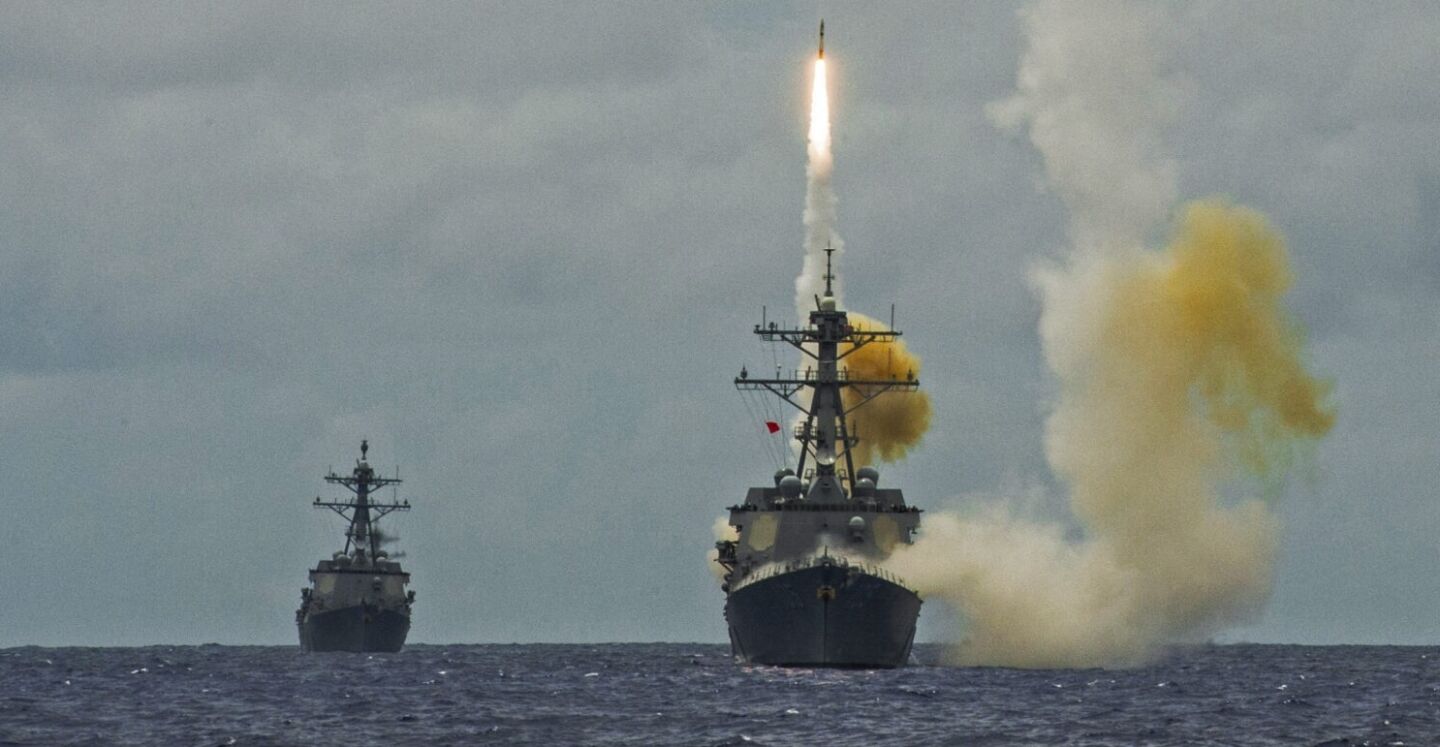
The current operational requirements present a difficult balancing problem. Keeping large numbers of destroyers deployed provides the United States with substantial missile-defence and strike capabilities in the Middle East, but prolonged deployments can increase wear on ships that may already require extensive maintenance. The Navy has declined to provide details concerning the current readiness status of its destroyers or the potential effect of Middle Eastern operations on future deployment schedules, citing operational-security and classification considerations. The challenge is particularly significant because destroyers have become increasingly important to U.S. naval operations in an era of expanding missile threats.
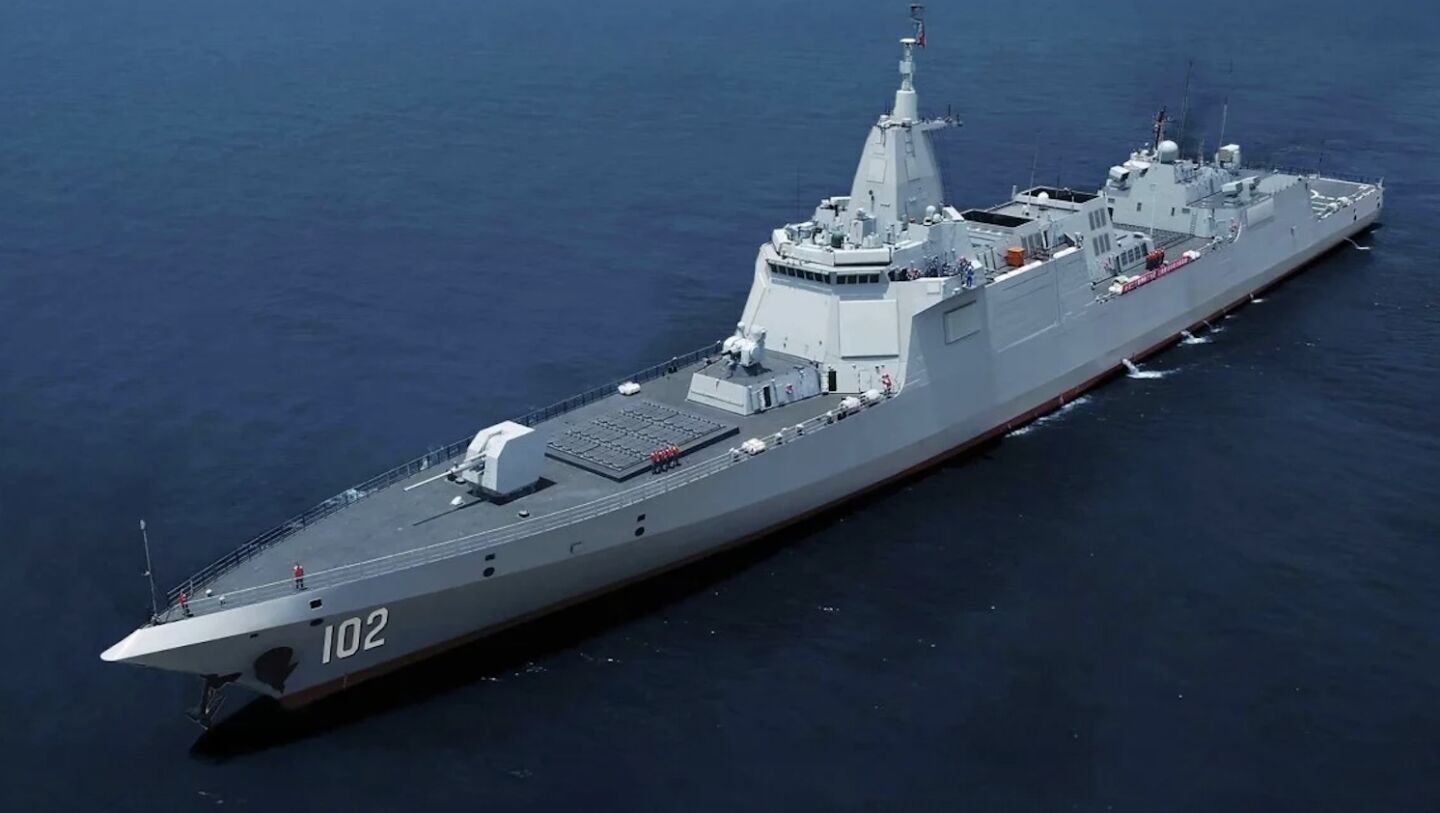
The Navy brought its first Flight III Arleigh Burke class destroyer, the USS Jack H. Lucas, into service in December 2025, marking the beginning of the latest phase in by far the world’s oldest destroyer program. With the first ship of the class, the USS Arleigh Burke, laid down in 1988 and commissioned into service in July 1991, questions have increasingly been raised regarding the ships’ viability against peer level adversaries, and particularly the significantly newer Type 052D and Type 055 class destroyers that form the backbone of China’s surface combat fleet. With the Arleigh Burke class forming the backbone of the Navy’s large surface combatant force, prolonged high-tempo operations could therefore effects extending well beyond the Middle East, testing the Navy’s ability to balance forward deployments with maintenance and modernisation, which have so far been found lacking.
