
U.S. Pulls Last Aircraft Carrier Out of the East Asia: Iran War Killing West’s Anti-China Military Pivot
Military Watch Magazine Editorial Staff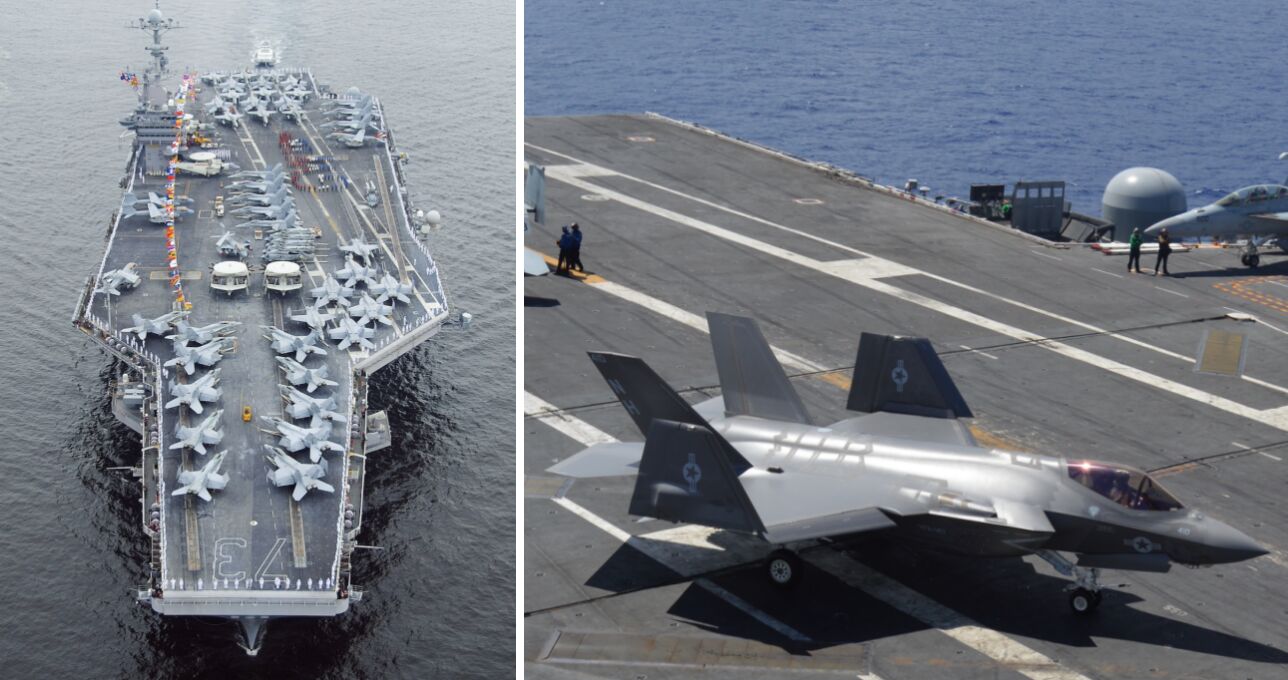
USS George Washington and F-35C on the USS Abraham Lincoln
The U.S. Navy supercarrier USS George Washington, which had been operating in the Pacific, is being sent toward the Middle East to replace the USS Abraham Lincoln, whose deployment has been extended far beyond normal limits by the war against Iran. The move will temporarily leave the western Pacific without a U.S. aircraft carrier, despite over 15 years of U.S. efforts to prioritise the region for deployments of advanced military assets. The carrier withdrawal is nevertheless a powerful symbol of something that has become increasingly difficult for Washington to conceal, namely that America’s strategic commitments are exceeding the capacity of its military to maintain overwhelming presence in multiple theatres simultaneously.
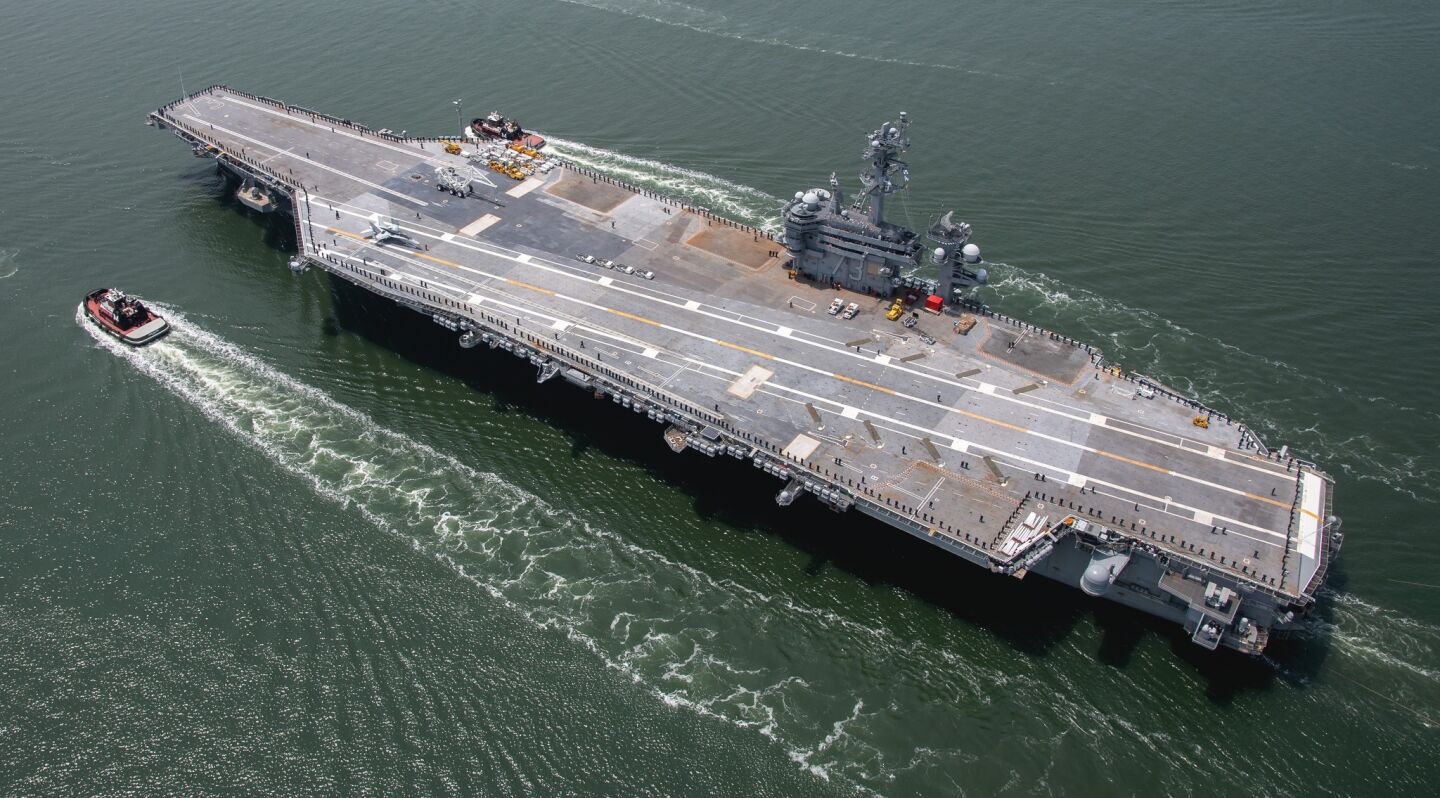
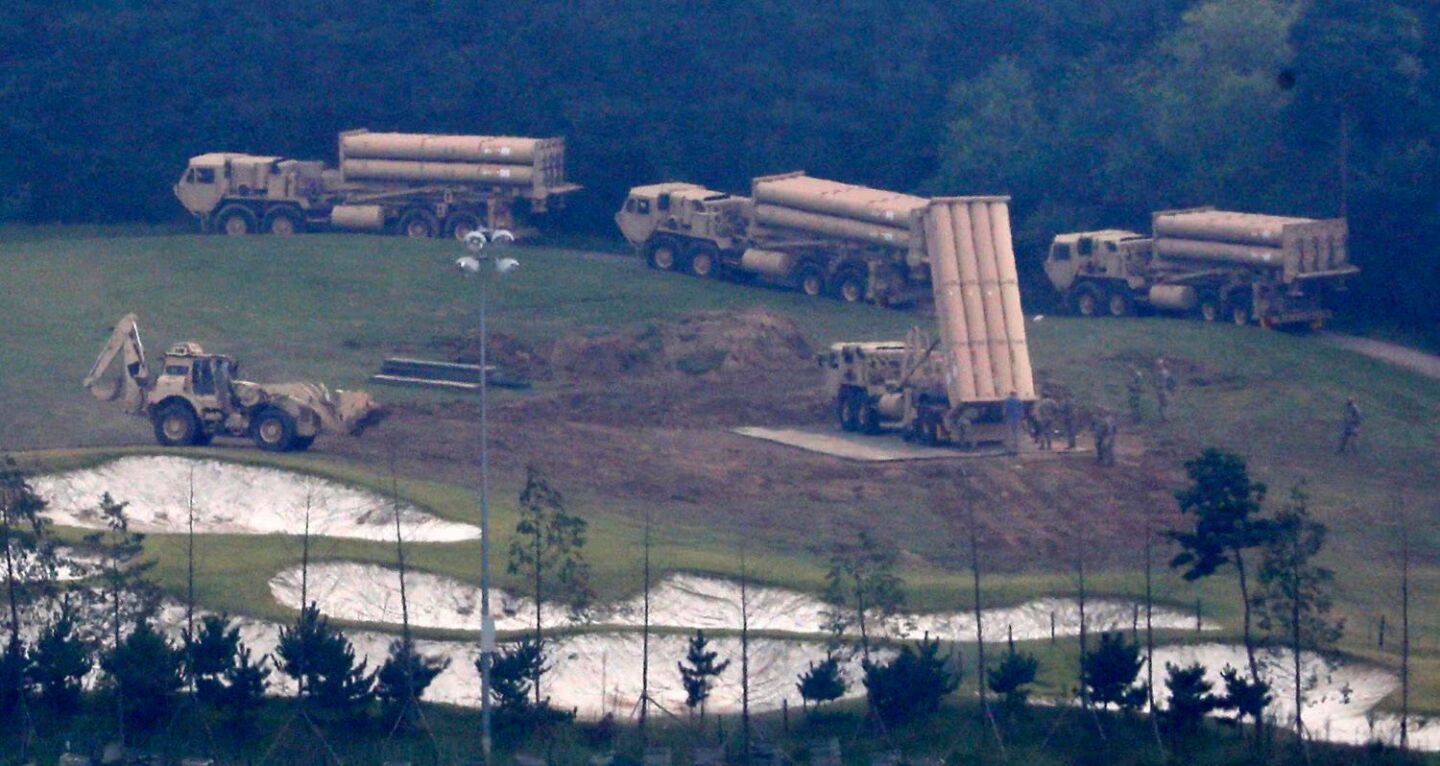
The original Pivot to Asia was built around a relatively straightforward strategic assumption. The wars in Iraq and Afghanistan would wind down, allowing Washington to redirect military attention and resources against China and North Korea in the Pacific. That transition never fully occurred, however, with the overthrow of the Ukrainian government in 2014, growing U.S. involvement in the war effort against Syria from 2015, and the outbreak of full scale Russian-Ukrainian hostilities in 2022, having diverted attentions away from East Asia. The U.S.-led assault on Iran from February 28 has unprecedentedly stretched American resources, forcing assets ranging from aircraft carrier groups to anti-ballistic missile systems to be withdrawn from East Asia in considerable numbers.
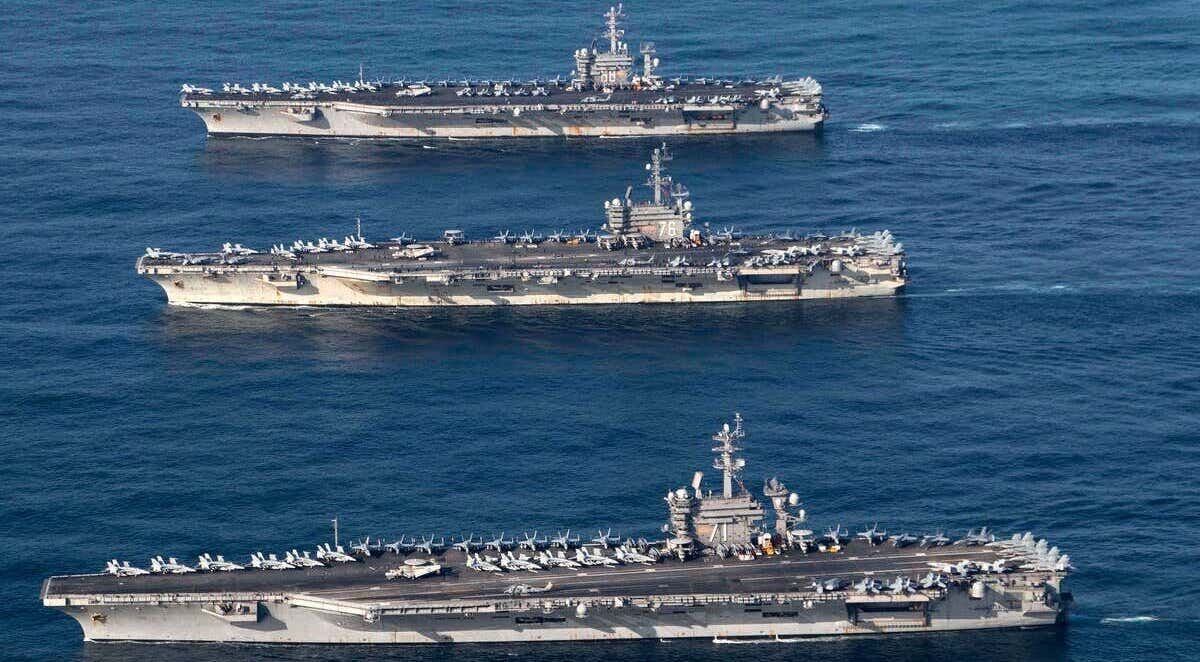
For decades, the presence of a carrier in the western Pacific has served both an operational and political purpose. It demonstrates that the United States possesses the ability to rapidly generate airpower in the region, while reassuring strategic partners that U.S. forces are physically present. The U.S. Navy has at times surged its carrier presence to three supercarriers, such as during the standoff between U.S. and North Korean forces in late 2017. The absence of carriers from the world’s most strategically critical region removes one of the most visible and flexible instruments of that power at a moment when China is rapidly expanding its own naval capabilities.
The war with Iran has placed very considerable demands on American naval aviation and other high-end military capabilities. The USS Abraham Lincoln’s exceptionally long period at sea to support operations against Iran have created mounting concerns about the strain on its crew and the sustainability of such deployments. Footage from onboard has revealed poor sanitation, while some crew have attempted to jump overboard due to psychological strain.. The George Washington is now being used to relieve it. The problem becomes particularly acute with aircraft carriers because the United States cannot simply generate new ones when demand increases, with the Gerald Ford class next generation supercarrier already being years behind schedule, while the sole operational ship of the class the USS Gerald Ford has suffered from serious performance issues.
