
U.S. Navy’s Next Generation Destroyer Program Will Build Over 80 Massive Ships to Counter China
Military Watch Magazine Editorial Staff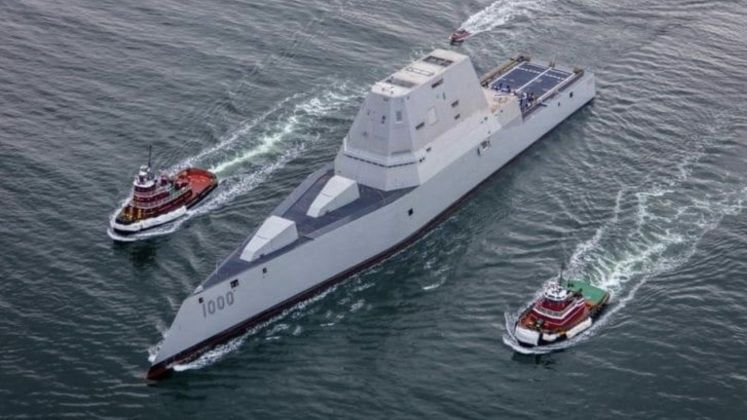
U.S. Navy Zumwalt Class Destroyer
On June 9 it was confirmed that the U.S. Navy began work on the development of a next generation guided missile destroyer. The new ships are expected form the backbone of the country’s fleet for most of the 21st century, and are expected to feature high levels of automation to reduce crew requirements considerably compared to current ships in the fleet. The U.S. currently fields the world’s largest fleet of destroyers and cruisers, including 22 Ticonderoga Class cruisers, 68 Arleigh Burke Class destroyers, and two Zumwalt Class stealth destroyers. Of these only the Zumwalt is a post-Cold War design, although it is also one of the most troubled combat ships the U.S. has ever laid down with orders cut from 32 to just three ships, performance still remaining underwhelming, and the price per unit rising to $7 billion - almost seven times the price of a regular destroyer. The new next generation American destroyer class is expected to replace the entire fleet of Arleigh Burke and Ticonderoga Class ships, which currently stands at a staggering 90 vessels, and with the troubled Zumwalt expected to see an early retirement these may also be replaced. The retirement of the Ticonderoga Class without replacement by another cruiser could make it the last cruiser built for a Western Navy for many decades to come.
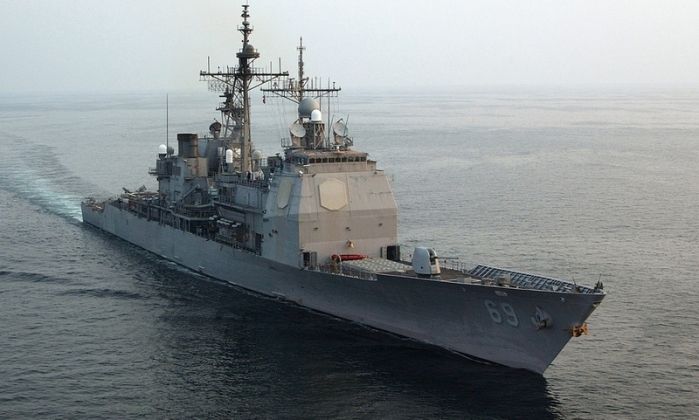
The first of the new destroyers is expected to begin construction in 2028, with the first being delivered in 2032, although delivery just four years after the ship is laid down may be a difficult target to meet. The first ships are expected to replace are the Ticonderoga Class cruisers, which began production in 1980 and have remained in service far longer than expected due largely to budget cuts following the end of the Cold War and difficulties in recent years developing new warships. Arleigh Burke Class ships have been in production since 1988, and due in part to the failure of the Zumwalt they are still on order today with the new Flight III variants boasting improved firepower and onboard systems. Both of the current ship classes lack the stealth capabilities of competitors such as the Chinese Type 055, or features such as dual band radars which new Chinese ships benefit from. This is expected to be addressed on the new destroyer design. The sheer size of China’s military shipbuilding industry, and the fact that it has outspent the U.S. on new acquisitions since 2020, means that by the time the new destroyer class enters service, the American destroyer fleet is expected to be heavily outnumbered at sea. China’s new destroyer programs have proven far less problematic than the Zumwalt, and have provided ships with considerable performance advantages over the American rivals, which makes the new American destroyer program particularly important.
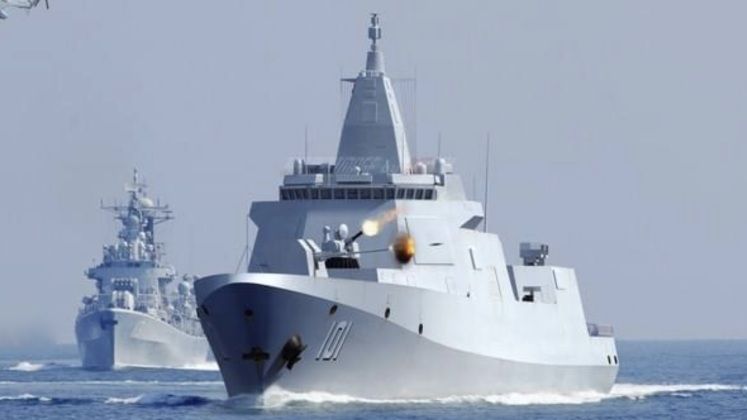
A number of analysts have been pessimistic regarding the capabilities of the next generation destroyer class due to the failures of both the Zumwalt Class destroyer and its lighter counterpart the Littoral Combat Ship - the latter which will be retired several decades ahead of schedule and some less than 15 years after being commissioned. Others have pointed to the fact that the two programs have provided the U.S. with unique experience developing warships with stealth capabilities, and will provide important lessons on what mistakes to avoid. The next generation ships will reportedly emphasise a new hull form, an efficient Integrated Power System, and superior endurance. The ships are expected to have 100 or more silos for long range missiles, compared to 90 on the Arleigh Burke, 96 on the Burke Flight III, 122 on the Ticonderoga, and 112 on the Chinese Type 055. It remains uncertain whether they will use the same Mk. 41 silos as current American destroyers and cruisers, which would allow them to use all the same classes of missiles. The new ship is expected to be less ambitious and more conservative than the Zumwalt, and may in fact share many features with the Arleigh Burke Flight III in order to reduce risks, development time and research and development costs. With China expected to pursue highly ambitious designs, of which the Type 055 program is only the first indication with production of the class having already ended and a successor expected, it remains uncertain what will be deemed sufficient by the U.S. as China remains its only peer level competitor at sea.
