
355 Ship Fleet No Longer Viable: Soaring Warship Costs Could Force the U.S. Navy to Contract Rapidly
Military Watch Magazine Editorial Staff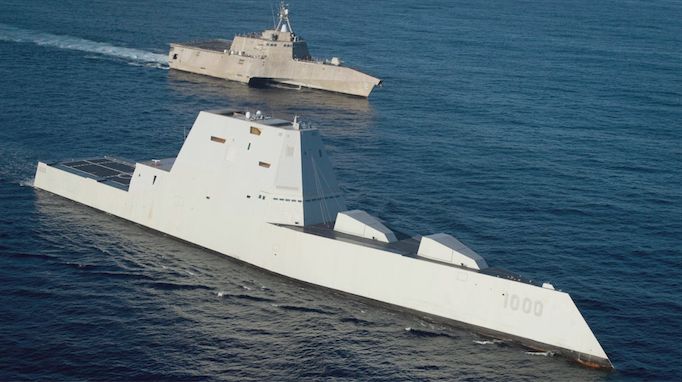
U.S. Navy Zumwalt Class Destroyer and Littoral Class Combat Ship
Following a scaling down of the U.S. Navy in the aftermath of the Cold War, the reemergence of competition from major near-peer rivals in the 2010s has led to highly ambitious plans for a scaling up of the fleet in the coming decade. An ambitious plan reached earlier in 2019 sought to expand the existing fleet to comprise of 355 ships by 2035 - although a recent assessment of the available budgets and the cost of new warships has indicated that such a target will be effectively impossible to meet without a massive increase in funding which the U.S. economy is unlikely to be able to support. An optimistic estimate by the service’s leadership has estimated a fleet of between 305 and 310 ships by this time, although many analysts have speculated that a contraction in the size of the fleet to well below 300 vessels remains more likely. A key impediment to such expansion plans is the fast growing cost of new warship designs - not only to manufacture but also to operate. The $13 billion Gerald Ford Class supercarriers and $7 billion Zumwalt Class destroyers are key examples of this, as are the Littoral Class combat ships, all of which were built to fight next generation warfare. These programs - the latter two in particular - have faced serious cost overruns, high operational costs and severe performance issues, and much the same can be expected for future warship programs due to endemic issues in the defence sector.
Commenting on constraints faced by the naval expansion program, Vice Chief of Naval Operations Admiral Robert Burke stated at the Military Reporters and Editors Conference in late October: "Will we get to 355-ships?.. I think with today’s fiscal situation, where the Navy’s top line is right now, we can keep around 305 to 310 ships whole, properly manned, properly maintained, properly equipped, and properly ready…. If our [budget] top line does not go up, if it remains where it is now and is projected to remain in the future defense plans, that’s about where we can get to and do it right, in terms of man those ships and maintain them and have all the ordnance for them and generate readiness.” Secretary of the Navy Richard Spencer stated at a separate meeting in Washington D.C. at the Brookings Institution think tank: “A 355-ship Navy is an important aspirational goal. ... But more important is ensuring that we have the maximum capability to address every challenge we’re going to be facing.”
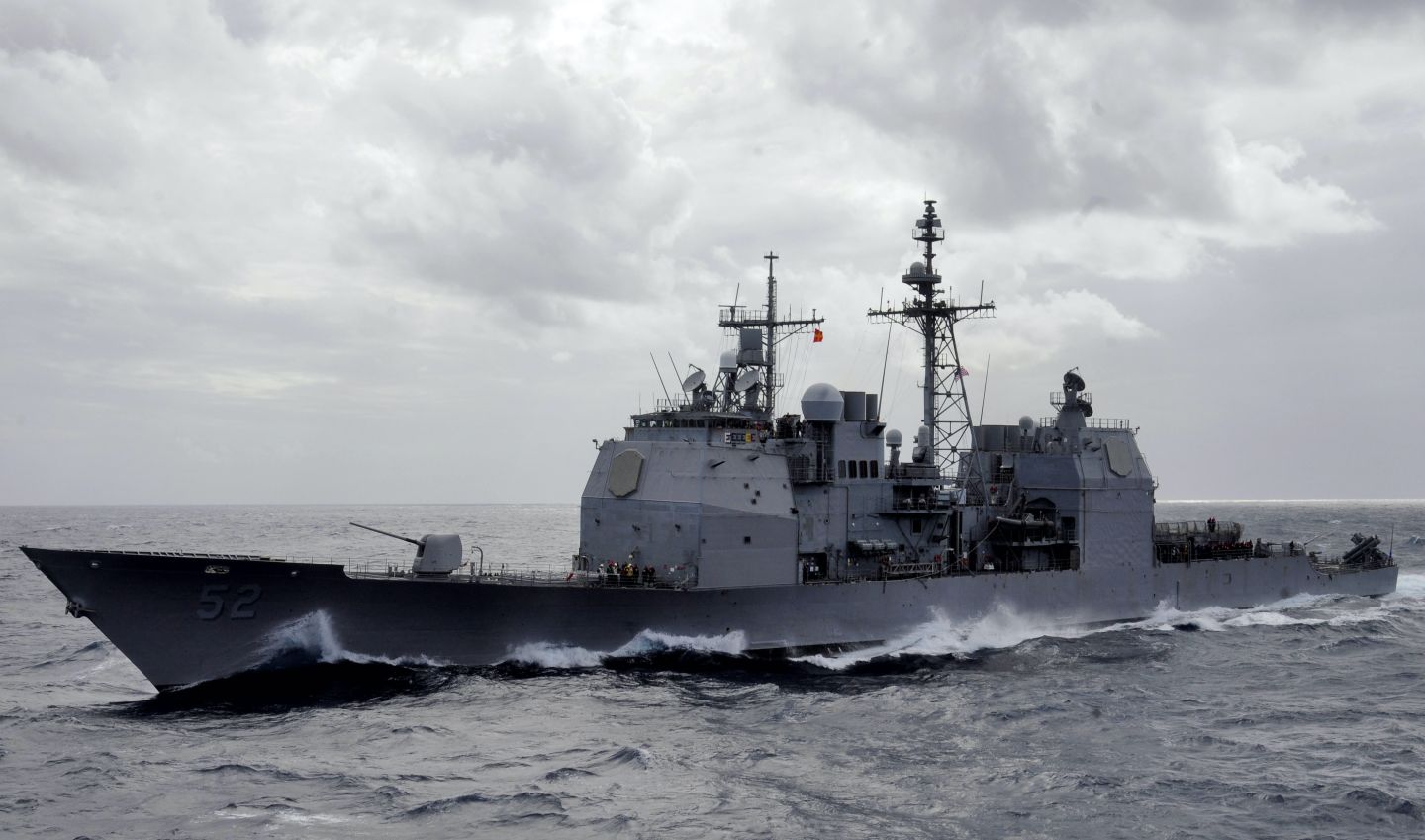
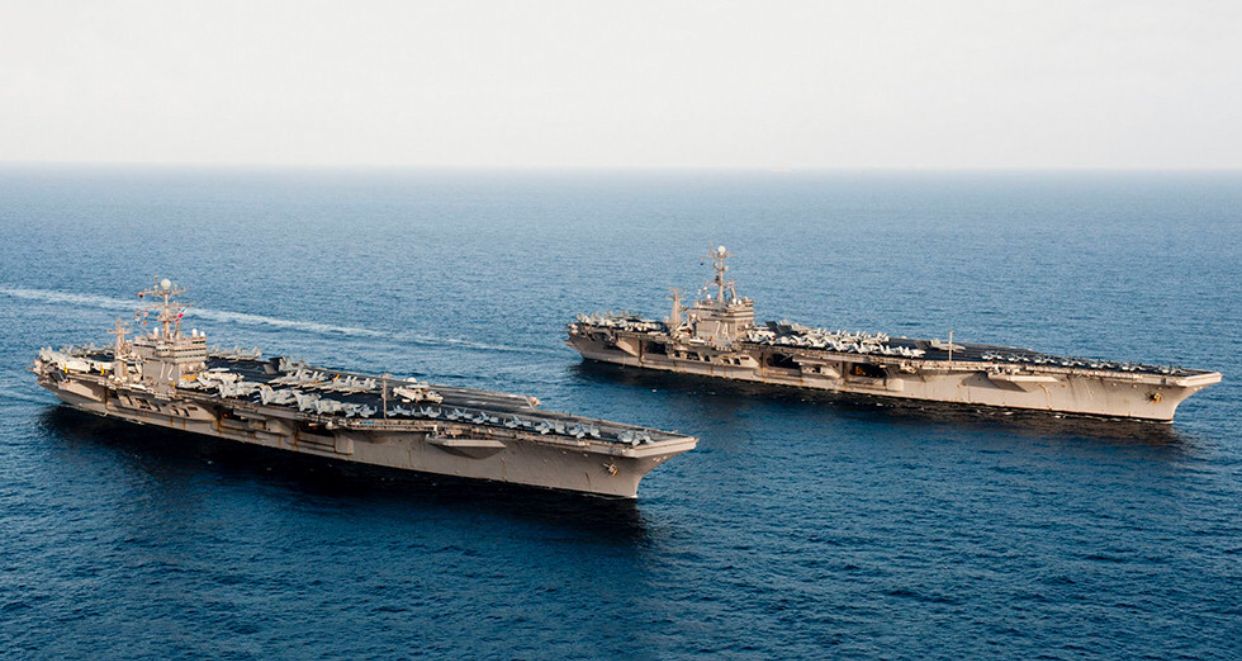
An assessment of trends in the costs of American warships both to acquire and to operate indicates that not only are plans to expand the U.S. Navy overambitious, but avoiding a significant contraction itself will be an extremely difficult task. Ageing warships currently in service such as the carrier USS Nimitz and the Ticonderoga Class heavy cruisers will need replacement in the coming years, and based on the costs of recent carrier and destroyer programs their replacements are set to cost significantly more than double what their predecessors did. The cost of a Gerald Ford Class carrier adjusting for inflation is approximately 240% that of the Nimitz Class despite the two having near identical displacements and roles, and the Zumwalt Class destroyer’s $7 billion price tag puts it at several times the cost of older classes of surface combatant. The Littoral Class combat ships fare little better when compared to the prices of their predecessors. The result is that, short of a major change to American shipbuilding towards greater efficiency, the service will be unable to provide next generation replacements for its older ships without seriously contracting the size of the fleet - likely to below 250 vessels by the 2040 if not sooner.
