
Trump’s Last Act: Large F-35 Contract to Arab Emirates Approved Just One Hour Before Biden Inauguration
Military Watch Magazine Editorial Staff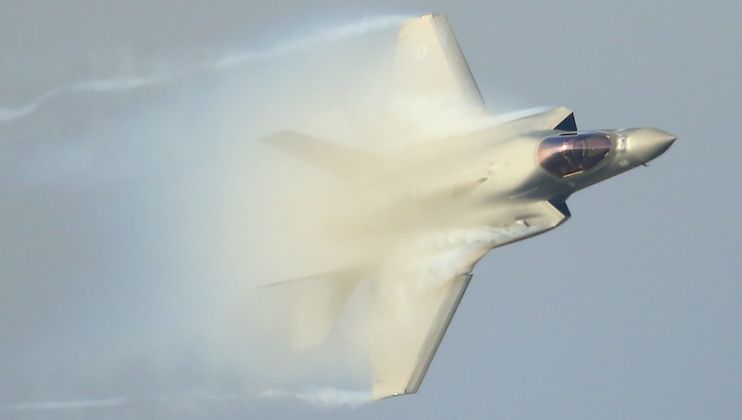
F-35 Fifth Generation Fighter
The administration of President Donald Trump oversaw considerable improvements in relations with Middle Eastern states including Saudi Arabia, Israel and the United Arab Emirates (UAE), and Abu Dhabi’s agreement under American pressure to normalise relations with Israel was expected to be met with a U.S. agreement to provide it with F-35A stealth fighters and other advanced weapons systems. Although the incumbent president Joe Biden indicated that he would refuse to sell F-35s to the UAE, President Trump reported approved a deal at the 11th hour of his presidency just an hour before Biden was sworn in. The F-35 contract approved would see 50 fighters sold to the small Arab state, making it one of the largest clients for the jets effectively overnight. The contract worth $23.3 billion also includes the sale of 18 MQ-9B Reaper attack drones and a range of air to air and air to ground missiles to equip both aircraft. The large number of countries waiting to purchase F-35s means that deliveries are unlikely to begin before 2027, by which time next generation fighters are expected to have proliferated more widely.
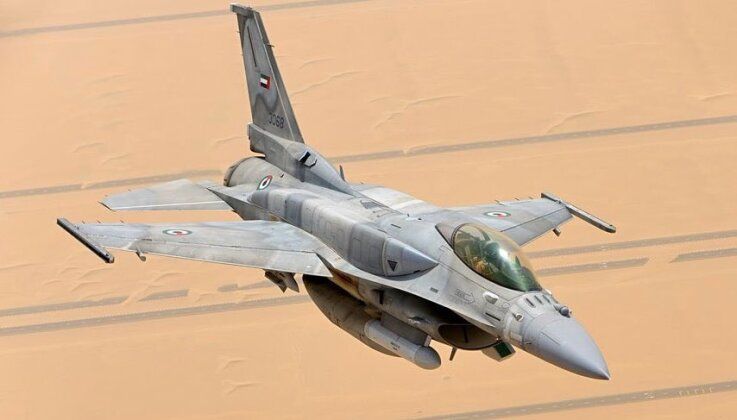
The UAE currently deploys F-16E lightweight ‘4+ generation’ fighters, which alongside the Japanese F-2 are considered the most capable F-16 variants ever developed. Its older units of near obsolete French built Mirage 2000 jets are likely to be replaced by the F-35. The country is also reportedly pursuing development a lightweight fifth generation fighter jointly with Russia, although it remains to be seen whether the F-35 deal will end this program. The risk to the U.S. of selling F-35s to the country remains very low - despite Israeli objections. The fighters are networked with U.S. based systems which allow its producer Lockheed Martin to shut them down should they be used in a way contrary to U.S. interests. Furthermore, F-35s have been found to spy on their foreign operators and send sensitive information back to the U.S. The fighters are also heavily reliant on American parts to operate, and with the UAE itself having a relatively negligible defence industry it is highly unlikely to be able to produce these parts itself. The sale will be a boost to America's largest defence manufacturer Lockheed Martin and the U.S. economy, and will strengthen a major U.S. defence client while also increasing military pressure on neighbouring Iran.
