
The Fighting Falcon at its Best: Top Five Most Capable F-16 Variants in Service
Military Watch Magazine Editorial Staff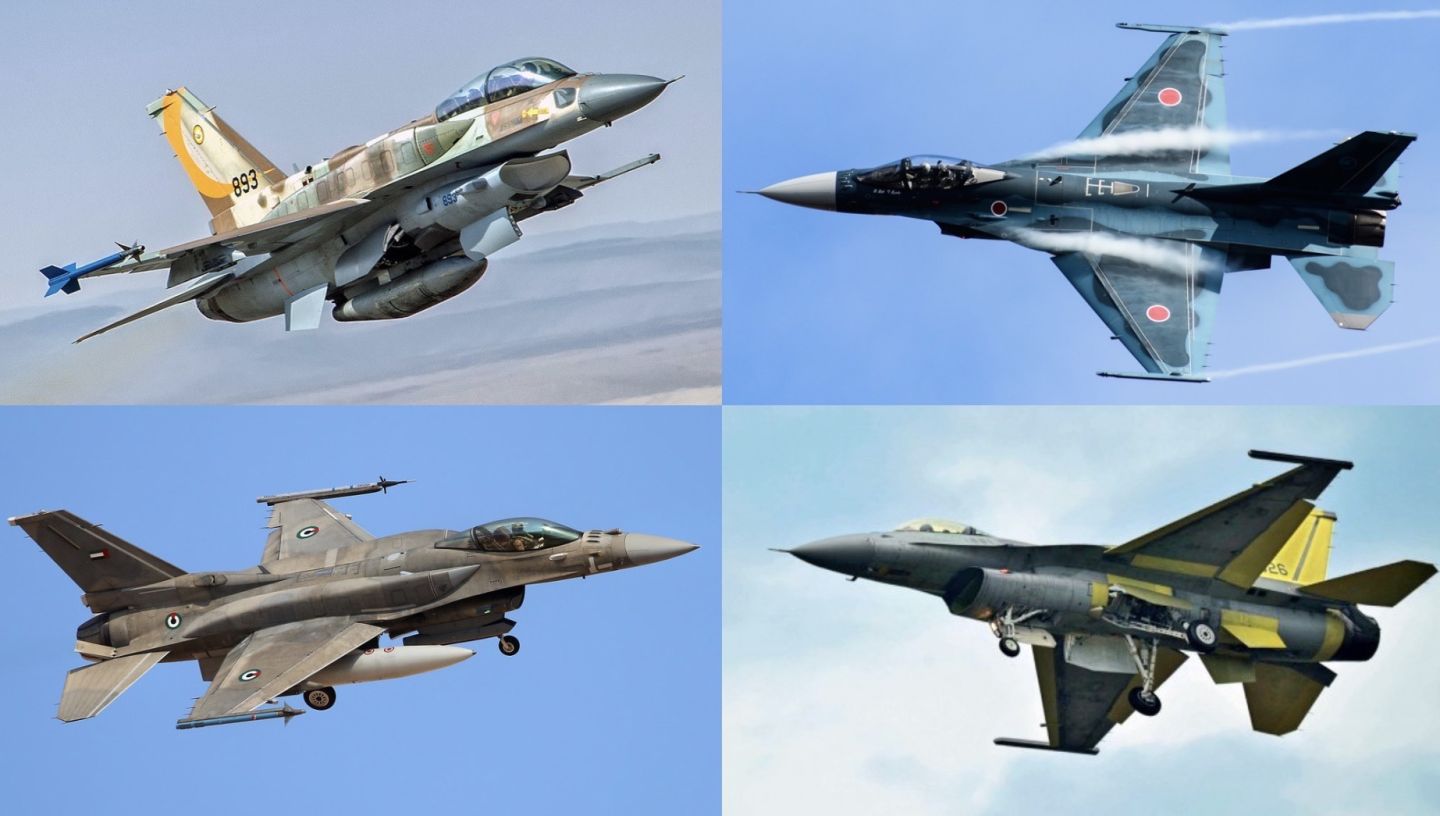
F-16I, F-2, F-16V, F-16E (clockwise from top left)
The F-16 Fighting Falcon entered service in the U.S. Air Force in 1978, and according to reports from the International Institute for Strategic Studies among other Western sources it is likely to continue to serve in the American military into the 2050s due to the sheer numbers acquired and the difficulties of procuring a replacement with similarly low operational costs. The fighter remains in production today and continues to form the mainstay of the American fleet, with over two dozen foreign operators and over 4,500 built. The scale of the fighter program has led a number of unique variants to be developed, from the F-16C which replaced the lighter F-16A in American service in the 1980s with a longer range and superior sensors to the F-16E tailor made for the needs of the United Arab Emirates in the mid 2000s. The F-16 is increasingly considered to be bordering on obsolescence against high end adversaries, with a number of states such as Singapore, Turkey and Israel making preparations for the platform’s retirement and many such as Israel and Egypt moving to retire older variants of the fighter. U.S. Air Force Air Combat Command chief General Mike Hostage predicted that the fighter would be essentially obsolete by the year 2024, and similar predictions have been commonplace. Nevertheless, enhanced variants of the fighter with capabilities considerably ahead of the original are likely to remain at least somewhat viable for a considerably longer time - at least for lower intensity conflicts. The capabilities of the five most advanced variants of the Fighting Falcon developed are assessed below:
F-21
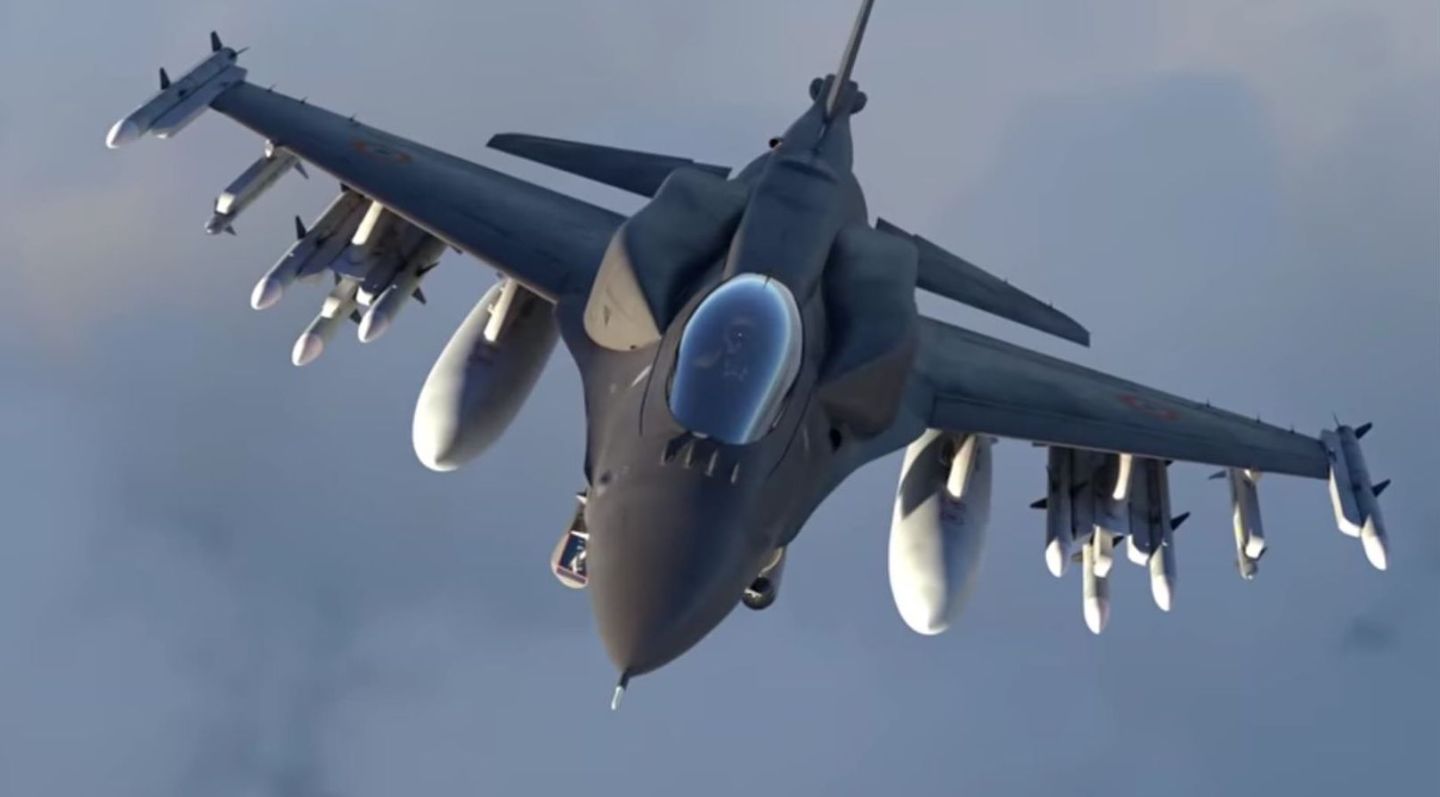
The F-21 was designed as an effective rebranding of the F-16IN, a platform closely based on the F-16E developed for the United Arab Emirates and intended to be marketed to the Indian Air Force for joint production by Lockheed Martin and the private Indian defence manufacturer Tata Advanced Systems. The fact that the F-16 operated by neighbouring Pakistan was considered inferior to India’s existing fighters such as the MiG-29, acquired in the 1980s and heavily enhanced since, and the more modern and heavier Su-30MKI, was thought to be the reason for the rebranding effort to distance the new derivative from the original. The platform improves on the capabilities of the standard F-16C design with an airframe redesigned to house composite fuel tanks for greater endurance, a powerful new active electronically scanned array (AESA) radar with superior jamming resistance, and access to the latest electronic warfare systems and high end munitions including as the latest variants of the AIM-120 missile. The fighters are also set to deploy the 132A variant of the F110 engine, which compensates for the greater weight of the upgraded airframe with considerably superior thrust. While somewhat unremarkable by the standards of other ’4+ generation fighters’ such as the Su-30MKI or Rafale which India already fields, the F-21 represents one of the most capable single engine fighters developed and a significant improvement over the original design.
F-2
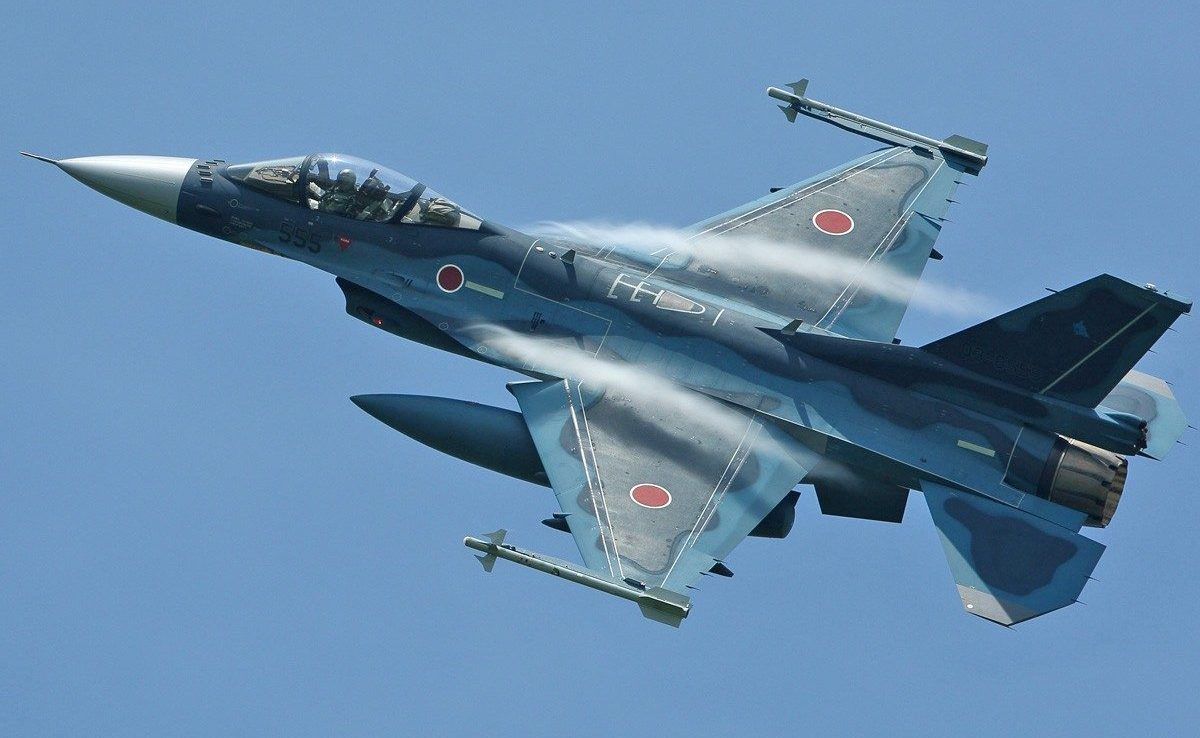
The Mitsubishi F-2 entered service in Japan’s Air Force in the year 2000, five years after its first flight in 1995, and was a revolutionary design for its time due to its high use of composite materials and its advanced sensor capabilities. The fighter was the first in the world deploy an active electronically scanned array (AESA) radar, deploying the J/APG-1. While closely based on the F-16 Fighting Falcon, the Japanese jet's high composite airframe reduced its weight and increased durability while wings were redesigned with a greater area - both of which served to improve manoeuvrability. The fighter’s nose random was expanded to accommodate a larger radar, and the use of an AESA radar provided greater resistance to jamming, a lower signature and more power. The platform was jointly manufactured by Mitsubishi Heavy Industries and Lockheed Martin, 60% by the former and 40% by the latter, and was reportedly partly based on the American ‘Agile Falcon’ design. While the F-2 remains the most capable variant of the Fighting Falcon in service, Japan’s armed forces have already begun to make preparations for its retirement in favour of a more modern and capable platform - a fifth generation aircraft with stealth capabilities, superior engines and more powerful sensors and munitions. Upgrades to the F-2 are currently underway, including replacing the J/APG-1 with a more powerful and sophisticated J/APG-2 AESA Radar - making the former possibly the first major fighter based AESA radar class in the world to be retired.
F-16E
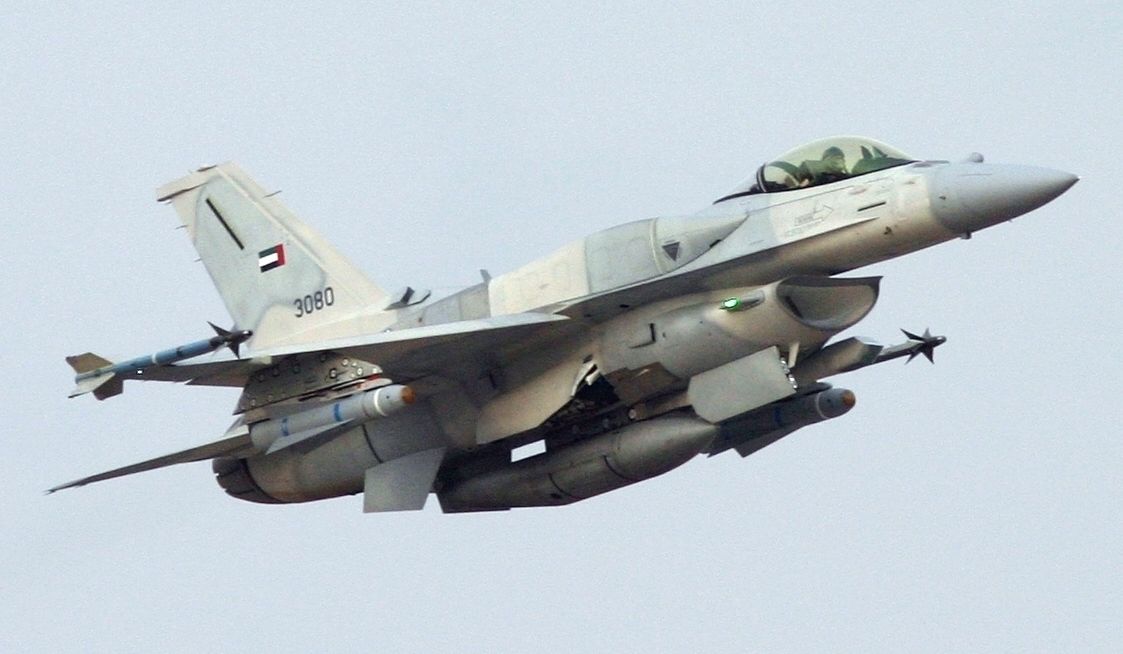
The F-16E developed for the United Arab Emirates was designed to integrate next generation technologies which had begun to emerge in the early 2000s onto a tried and tested airframe from the 1970s, and one of the first fighters in the Middle East to integrate active electronically scanned array radar technologies. Until the entry into service of the F-35, it was by far the most capable Western single engine fighter developed. The fighter integrates the Northrop Grumman AN/APG-80 radar providing superior situational awareness and the ability to target multiple air and ground targets simultaneously. The fighter’s conformal fuel tanks meanwhile provide superior endurance, while new electronic warfare systems including the AN/ALQ-165 Self-Protection Jammer and the Northrop Grumman Falcon Edge Integrated Electronic Warfare Suite give the fighter a significant edge over most rival fourth generation jets. The fighter’s sensors provide compatibility with modern munitions including the AGM-84E standoff land attack missile, and the aircraft also integrates a built in laser targeting system. Perhaps most notably, the fighter benefits from integration of the General Electric F110-GE-132 engine which is considerably more powerful than the F110-GE-129 and F110-PW-229 used by the older F-16C - compensating for the new fighter’s higher weight and ensuring manoeuvrability will not be compromised. The fighter’s maximum takeoff weight is thus 8.7% higher than that of the F-16C.
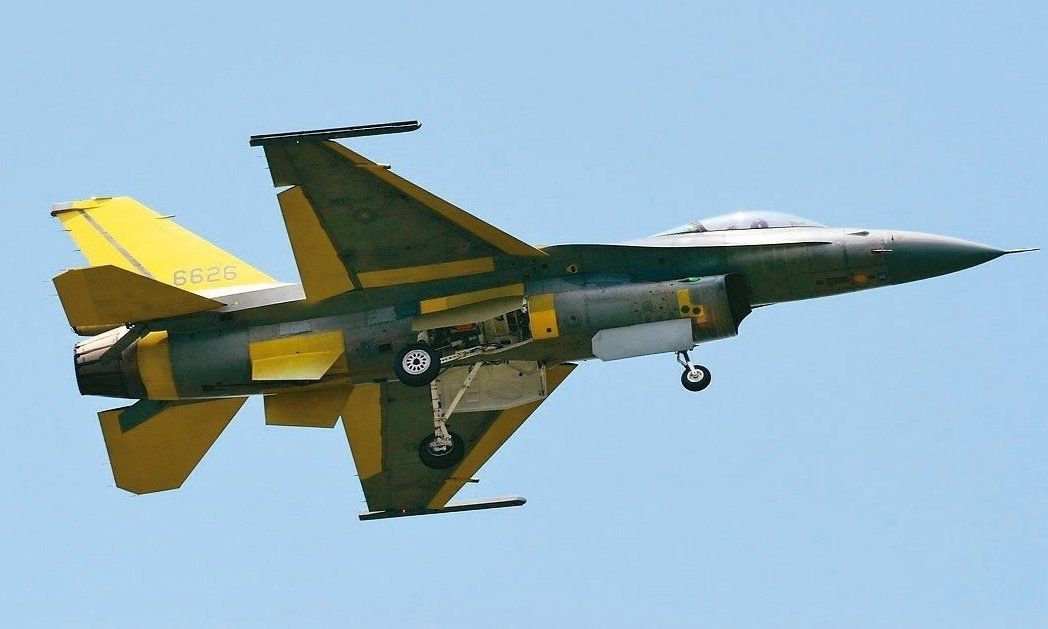
F-16V
Unveiled in 2012, the F-16V was developed with the intention of both keeping production lines for the Fighting Falcons open and keeping American and allied F-16s already in service at least somewhat viable against modern threats. The F-16V designation applies to both F-16A and F-16C fighters upgraded to integrate ‘4+ generation’ systems, and to newly manufactured jets built to this standard. The fighters are distinguished from the standard F-16C by integration of an AN/APG-83 active electronically scanned array radar and new electronic warfare systems - with the airframe itself otherwise remaining unchanged. Unlike the F-16E, the fighter does not integrate new engines meaning new and heavier systems compromise its thrust/weight ratio relative to older F-16 variants. The fighter has been marketed for export to a number of states which have not been considered viable candidates for acquisition of the F-35, including former parties of the Warsaw Pact such as Slovakia and Bulgaria as well as Morocco, Bahrain and Taiwan. The platform is notable for its high cost, which are only slightly lower than those of the F-35 despite far inferior capabilities. This is partially explained by the F-16V’s lower operational costs relative to its next generation successor, meaning deploying the platform over time will be considerably cheaper. While the fighters are marketed to export clients at a higher cost than much more advanced and high end platforms, for the U.S. Air Force which has over 1000 Fighting Falcons in its inventory the platform provides a much desired capability when purchased as an upgrade package.
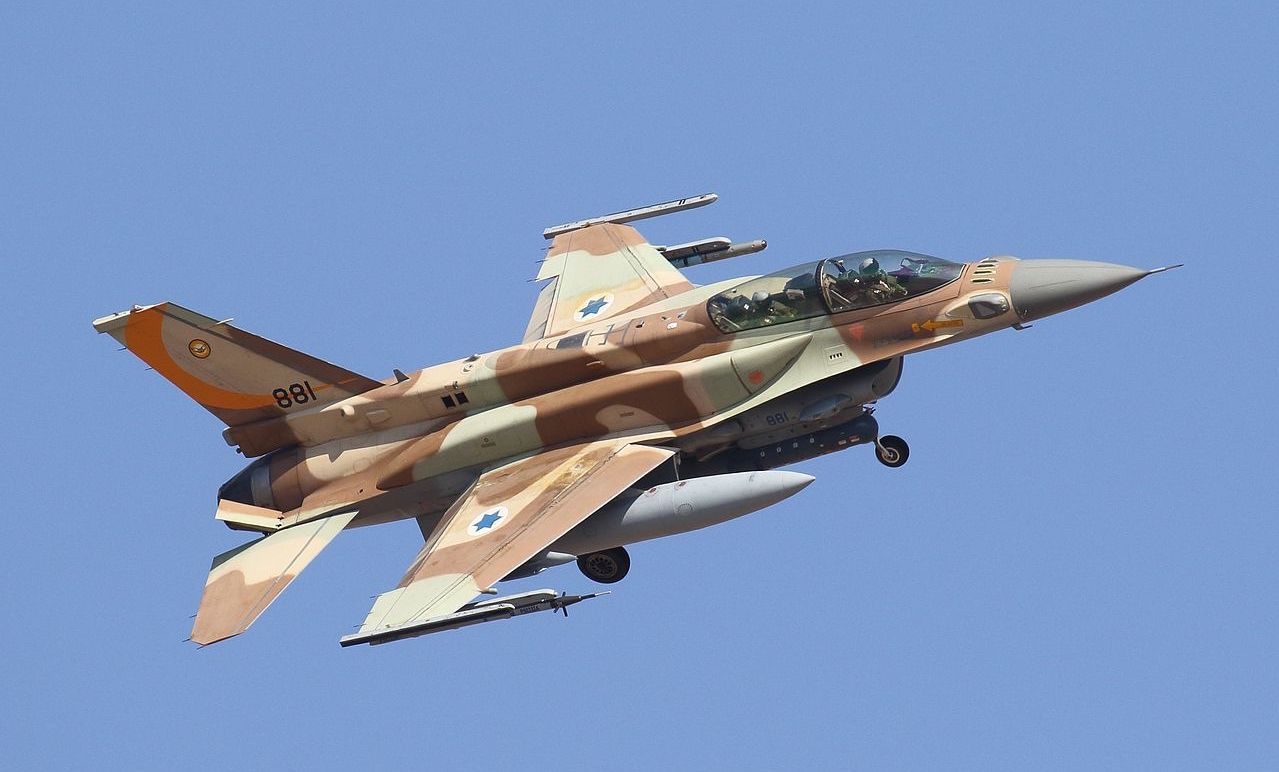
F-16I
The F-16I ‘Soufa’ is a heavily modified variant of the F-16D Fighting Falcon, and integrates many of the avionics and electronic warfare systems previously developed for the Lavi attack jet - a program which was terminated under American pressure in 1987. The F-16D was seen as a compromise fighter, the development of which would ensure that investments in technologies for the Lavi program would not be completely lost. The aircraft is heavily oriented towards an air to ground attack role, and benefits from accommodating a weapons systems officer in its second seat to carry out electronic and missile attacks. The fighter is fitted with conformal fuel tanks and a dorsal avionics compartment, and uses Israeli avionics including computers, processors and interfaces produced by Elbit Systems and communications systems produced by Rafael. The Elbit Dash IV display and sight helmet system improve pilots’ situational awareness, and allows the pilot to establish a lock on a target by simply looking at it. The fighter also benefits from an Elisra electronic warfare suite, which includes radar warning receivers, missiles approach warners and jamming systems. Designed in the late 1990s, the F-16I was highly formidable for its time - but is increasingly considered out of date compared to newer F-16 variants equipped with AESA radars and more sophisticated classes of munitions.
