
The Future of India’s AMCA Stealth Fighter: Budget Cuts Indicate Lack of Faith in Indigenous Fifth Generation Program
Military Watch Magazine Editorial Staff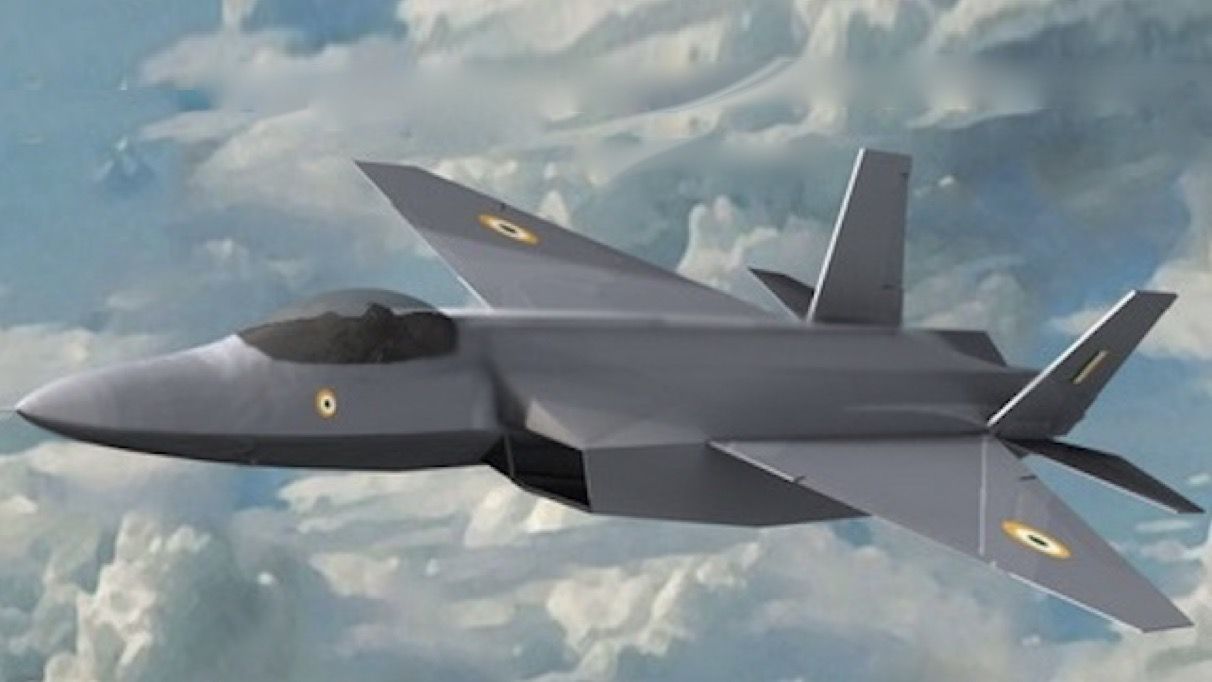
Indian AMCA Fifth Generation Fighter - concept art
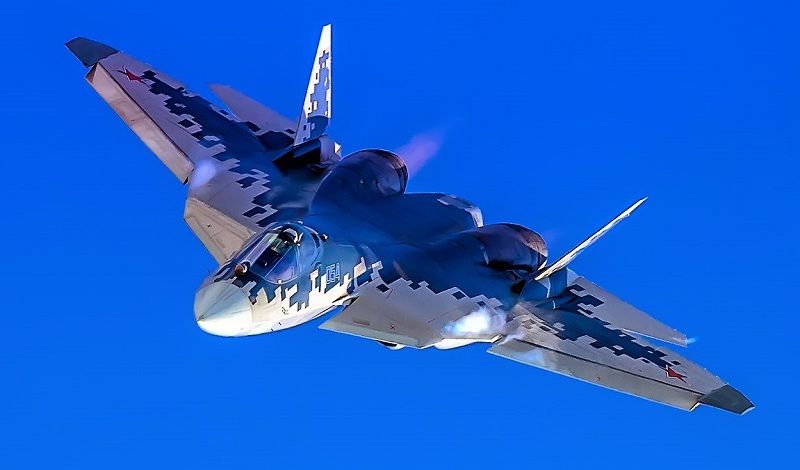
India’s Hindustan Aeronautics Limited state owned aerospace and defence company began the detailed design phase of its Advanced Medium Combat Aircraft (AMCA) fifth generation fighter program in February 2019. Designed as successor to the Tejas lightweight fourth generation fighter program, which started in the early 1980s and saw its first aircraft inducted into service in 2019, the new fighter will be a twin engine medium weight multirole stealth platform, and is scheduled for entry into service in the early-mid 2030s. The program is being pursued in parallel to ongoing negotiations for acquisition of Russian Su-57 heavyweight next generation fighters - either in their current form or as future variants which are expected to field sixth generation technologies. According to multiple statements from Indian military officials, Su-57 acquisitions will come as either off the shelf purchases of the Russian design, or as a customised design integrating Indian components and technologies - part of a licence manufacturing deal under the FGFA program which is currently being negotiated. Should both programs be pursued, alongside the contracts for ‘4+ generation’ and ‘4++ generation’ fighters currently under negotiation, such as the MMRCA under which the MiG-35 and Rafale are currently frontrunners, it will provide India with a robust next generation air wing.
While the Indian Air Force's plans for foreign acquisitions of next generation aircraft appear to be proceeding relatively smoothly, India’s Defence Ministry has demonstrated a lack of faith in the AMCA program and cut funding very early in the program. Development costs were estimated in 2012 at around $2 billion, although a number of prominent figures have anticipated far higher costs and a far longer development time. The Tejas program, which overran significantly on both costs and time - the latter by several decades - provides some grounds for such a pessimistic outlook. Former financial advisor to the Indian finance ministry Amit Cowshish, for one, predicted “As for AMCA, it certainly seems to be back [on the agenda], but AMCA will take much longer to develop than is being currently projected.” According to the Defence Research and Development Organisation (DRDO), the AMCA was not alone among the indigenous projects which would be impacted due to budget cuts - with others including the Airborne Warning & Control System, the Ghatak combat drone, and the next generation main battle tank.
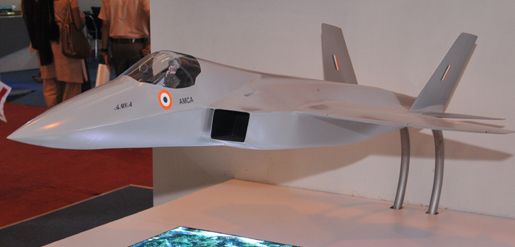
Ultimately it remains to be seen whether India will see through its ambitious program to develop an indigenous fifth generation fighter domestically, and if it does so then to what extent the aircraft will be truly indigenous. The fighter’s predecessor the Tejas, although only a fourth generation aircraft, relies very heavily on foreign technologies including an American F404 engine, electronic warfare and radar systems from Israeli’s Elbit systems and R-77 and R-73 air to air missiles from Russia. Given that India currently lacks the capabilities needed to develop even a relatively low powered fourth generation engine for its lightweight fighter, a level of technology reached by the United States and the Soviet Union approximately 50 years ago and by European states approximately 25 years ago, indigenous fifth generation engines for the AMCA appear well out of reach. Ultimately much regarding the future of the AMCA remains uncertain, and the program may benefit considerably from technology transfers under the FGFA program should this be seen through. This would provide India with some critical fifth generation technologies and with experience in manufacturing next generation fighters under licence.
