
Su-35 in Action: Russian Air Force’s Elite Intercept Israeli Jets Over Syria
Military Watch Magazine Editorial Staff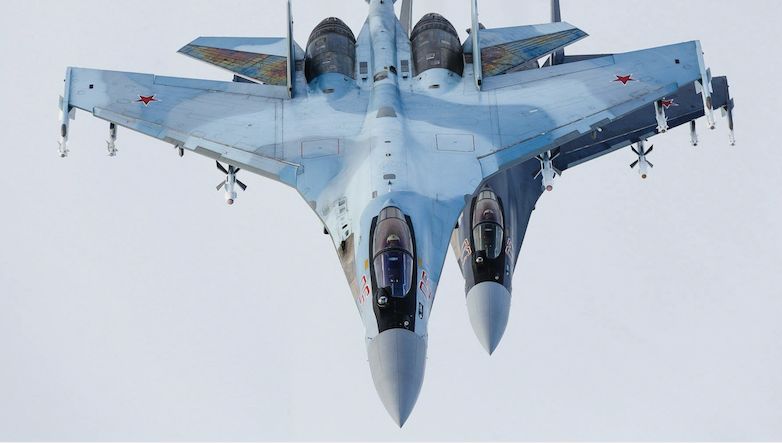
Russian Air Force Su-35 '4++ Generation' Air Superiority Fighters
The Russian Air Force first deployed Su-35 ‘4++ generation’ air superiority fighters to Syria in early 2016 - as part of wider efforts to strengthen anti aircraft capabilities in the region in response to the Turkish downing of an Russian Su-24 strike fighter over the country in November the previous year. Efforts to increase the security of Russian forces in Syria also included equipping Su-34 strike fighters with defensive R-27 air to air missiles, deploying S-400 and S-300V4 long range surface to air missile systems and equipping the Su-35s deployed to the country with R-77 active radar guided air to air missiles. The Su-35s thus became first fighters in Russian service confirmed to have been equipped with the missiles. While Russia’s small but elite military contingent in Syria was tasked solely with counterinsurgency and the protection of Russian assets in the theatre, and did not intervene to prevent attacks by a number of parties on allied Syrian forces, this has changed as conflict in the country has wound down - with only a few isolated pockets of insurgency remaining today. Russia's growing willingness to protect its ally against neighbouring states was most clearly demonstrated by the interception of Turkish F-16 Fighting Falcons in August by Russian Su-35s to prevent them from striking Syrian positions and providing air support to Turkish backed anti-Syrian insurgents. The delivery of more advanced air defence systems to Syrian forces in late 2018, and expected deliveries of new MiG-29SMT fighters, were also seen as signs that with the threat from insurgents declining, Russia would move to strengthen Syrian defences against hostile state actors.
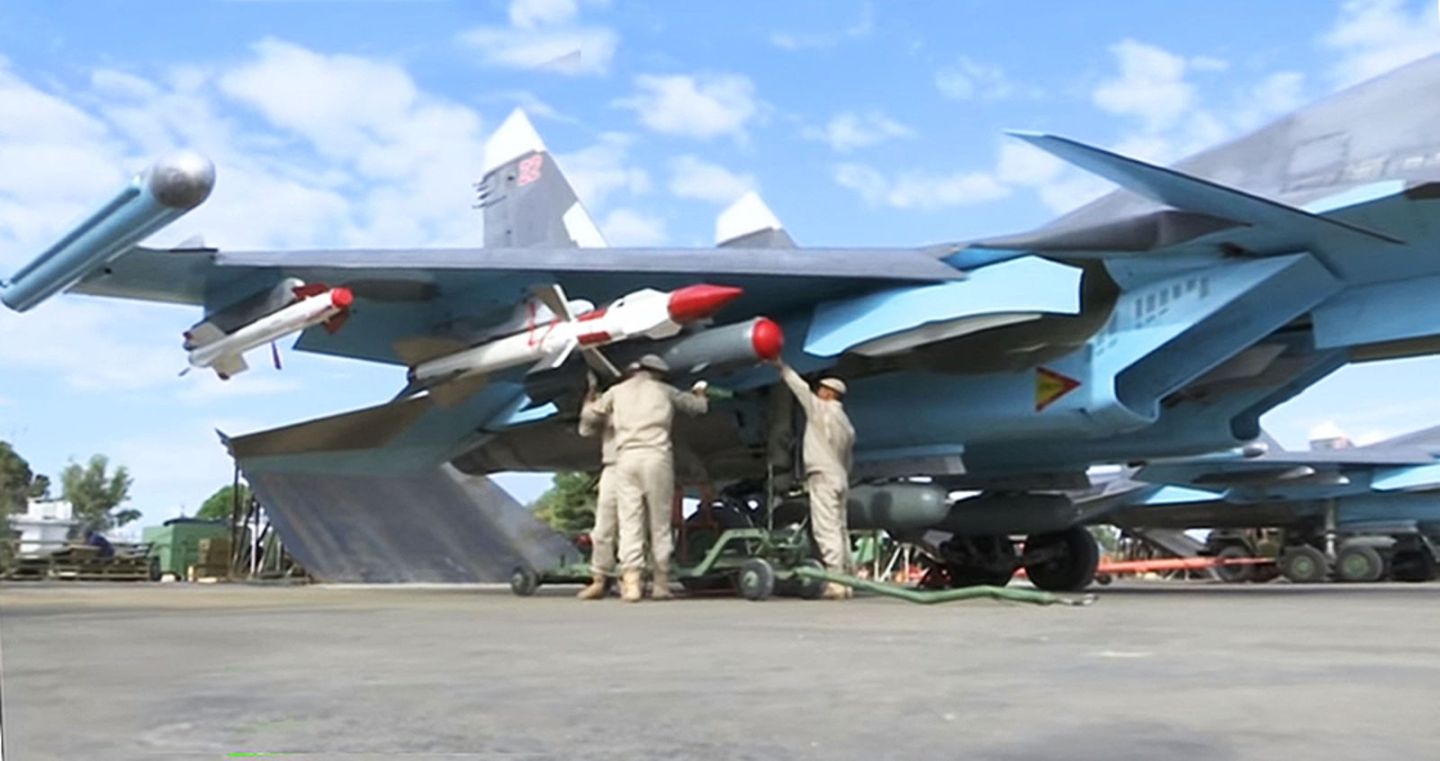
The most recent incident of Russian intervention to protect Syrian forces was seen in early December when Su-35 fighters deployed to intercept an Israeli air attack near the country’s Tiyas Military Airbase - also known as the T-4 Airbase. While Russian interceptions of Israeli fighters have previously been reported, they remained unconfirmed by reliable sources meaning this is very possible the first incident where Russia has intervened so directly to prevent an Israeli attack on Syrian assets. The incident was widely reported in Russian and Israeli media. Israel has notably increased strikes on targets in Syria in recent weeks, reportedly in response to a growing perceived threat of Iranian assets deployed to the country including new missile systems, although the overall frequency of attacks has declined since 2018.
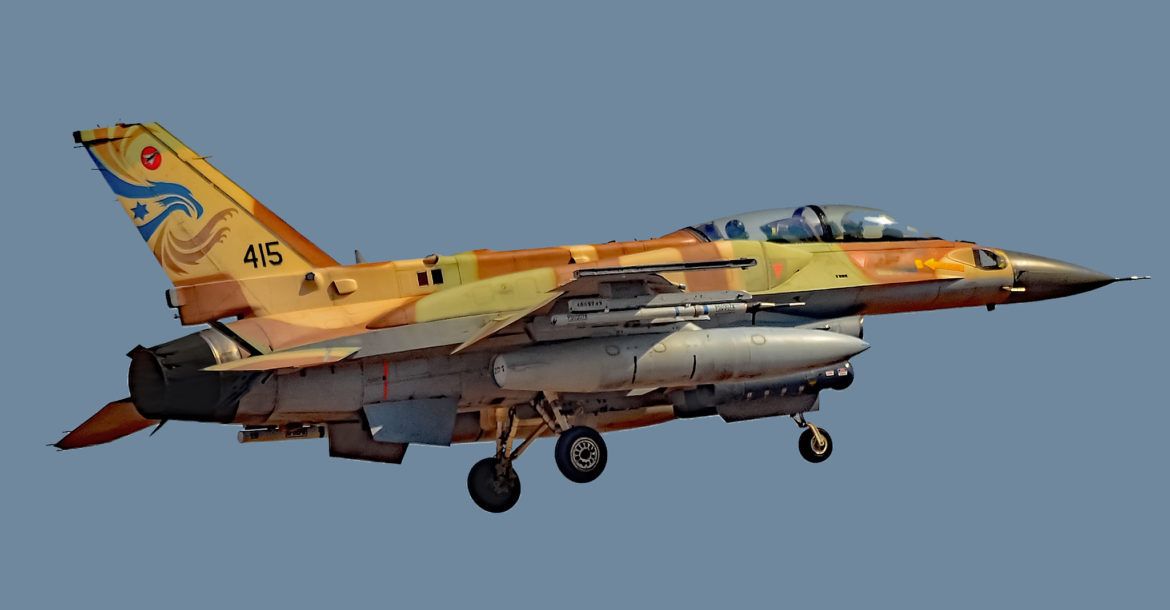
Su-35 fighters reportedly escorted Israeli fighters away from Syrian targets, and the aircraft returned to Israeli with their full weapons payload. It remains unconfirmed what class of fighter Israel had deployed for the mission, although F-16 Fighting Falcons have carried out the vast majority of strikes and make up the bulk of the Israeli fleet. Some unverified reports indicated that the aircraft were elite F-15 heavyweight fighters - although such aircraft are rarely deployed for attacks against targets as nearby as Syria. Israel notably lacks any class of fighter comparable to the Su-35, with its most capable air superiority fighters the F-15C and F-15I both being considerably older Cold War era designs with significant disadvantages including their sensors, weapons payloads, radar cross sections, engagement ranges, manoeuvrability and electronic warfare systems. Israel is reportedly planning to order more capable variants of the F-15, based on the F-15X recently ordered by the U.S. Air Force, which will provide it with a more capable platform better able to contest superiority against the Su-35. Israel’s relations with Russia have remained positive overall, despite the former’s hostility towards Damascus, but tensions have at times been high. Moscow blamed Israel for the downing of a Russia Il-20 surveillance aircraft over Syria in September 2018. More recently, Russia submarines have reportedly made incursions into Israeli waters - which was interpreted by some analysts as a threat to Tel Aviv amid rising regional tensions.
