
South Korea Orders Latest U.S. Anti-Ballistic Missiles to Enhance Destroyer Fleet: How Capable is the SM-6?
Military Watch Magazine Editorial Staff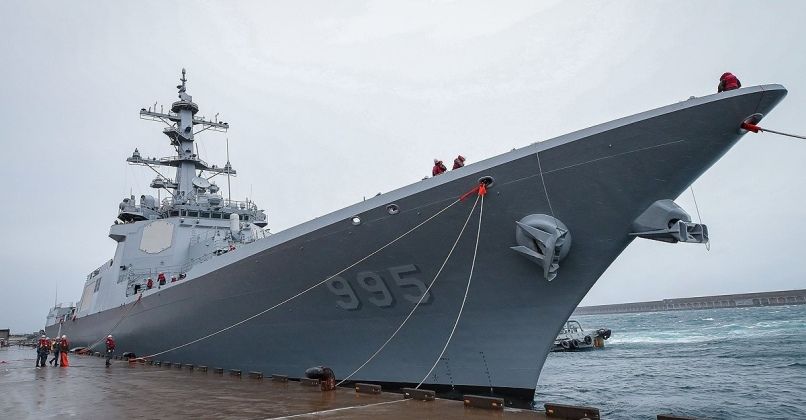
ROKS Jeongjo the Great
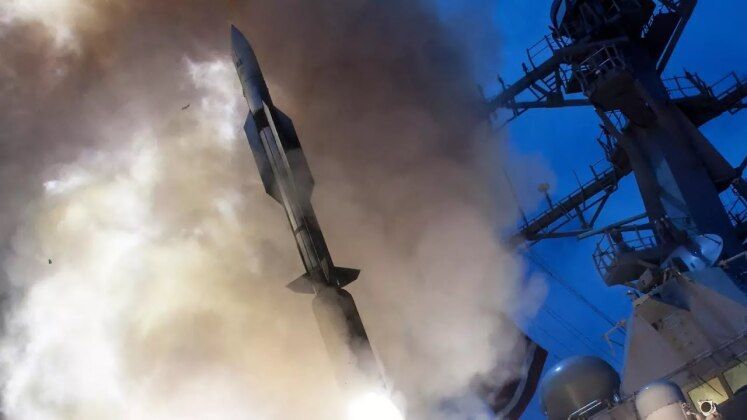
The South Korean Defence Project Promotion Committee on May 22 approved a $352 million contract to procure U.S. SM-6 anti-ballistic missiles, which were designed for integration on the Mk-41 vertical launch systems that are integrated onto the country’s destroyers. Shortages of the missiles following the U.S. assault on Iran are thought to have contributed to a protracted delivery schedule, with the missiles are only expected to become operational in 2033. The SM-6 is the newest type of anti-ballistic missile in the U.S. Navy’s arsenal, and was previously in service only in the U.S. and Japan. The missile has a 460 kilometre engagement range a 36,000 metre engagement altitude, which will very significantly increase the ability of South Korean warships to engage targets.
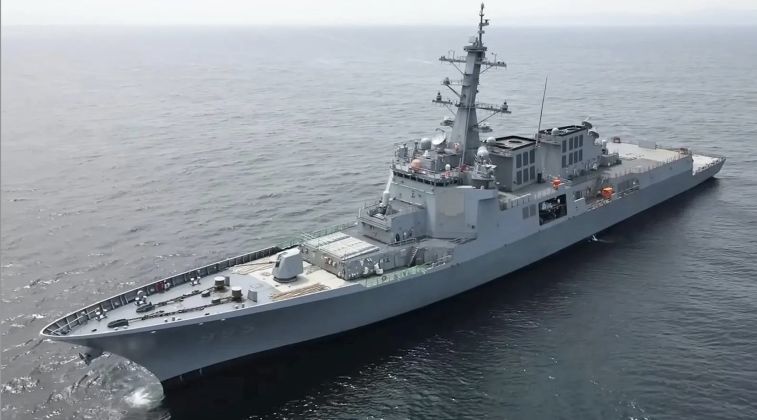
Three South Korean destroyers are confirmed to be planned to integrate the SM-6, including the ROKS Dasan Jeong Yakyong and ROKS Daeho Kim Jong Seo, which are both 8,200 ton KDX-III Batch-II Jeongjo the Great class ships that integrate 48 Mk-41 cells for the missiles and other U.S. missile types such as the SM-3. The already deployed ROKS Jeongjo the Great will receive the SM-6 through a future capability upgrade program. Jeongjo the Great class ships are heavily focused on ballistic missile defence, reflecting the challenges to South Korean security posed by North Korea’s vast and increasingly diverse and sophisticated ballistic missile arsenal. Alongside planned integration of the SM-6, the ship also integrate KVLS launch cells which were designed to accommodate future generations of locally developed anti-ballistic missile interceptors.
Having begun production in 2009, the SM-6 became operational in the U.S. Navy in 2013 to equip the service’s Arleigh Burke class destroyers. Its integration of an active radar seeker allows the missile to independently track and home in on targets during the terminal phase of flight without continuous guidance from the launching ship, allowing a single vessel to engage multiple targets simultaneously and better avoid saturation of its defences. Although developed primarily as an anti-ballistic missile, the SM-6 is the only known missile type in the world with a significant secondary anti-shipping role, for which it can strike targets at Mach 3.5 speeds. The SM-6 has a number of significant drawbacks as an anti-ship missile, however, including a small warhead weight of just 64 kilograms, which is necessary to reduce the missile’s weight to facilitate ex-atmospheric interceptions of ballistic missiles, but seriously limits the damage which it can do upon impacting warships.
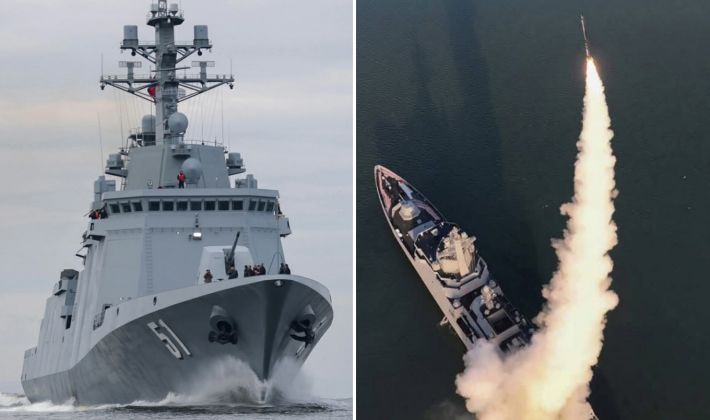
The procurement of the SM-6 has occurred as neighbouring North Korea has continued to significantly expand its ballistic missile capabilities, including with the testing of hypersonic glide vehicles from 2021, against which existing defence systems are not expected to be effective. It also closely coincides with the announcement of plans by North Korea to field a fleet of 12 destroyers by 2034, with the first two Choe Hyon class ships having been launched in 2025. The Korean People’s Army Navy is expected to operationalise larger 8,000 ton destroyers around 2030, and to field one of the world’s largest destroyer fleets by 2033, surpassing the fleets of the United Kingdom, France, and Russia in size. Facing this new challenge to the dominance of its surface fleet, the SM-6 will provide South Korean destroyers with a more versatile armaments suite, complementing the development of a wide range of new missile types domestically.
