
Russian Navy Simulates NATO Assault on the Arctic: Bastion Mobile Cruise Missile Systems Activated
Military Watch Magazine Editorial Staff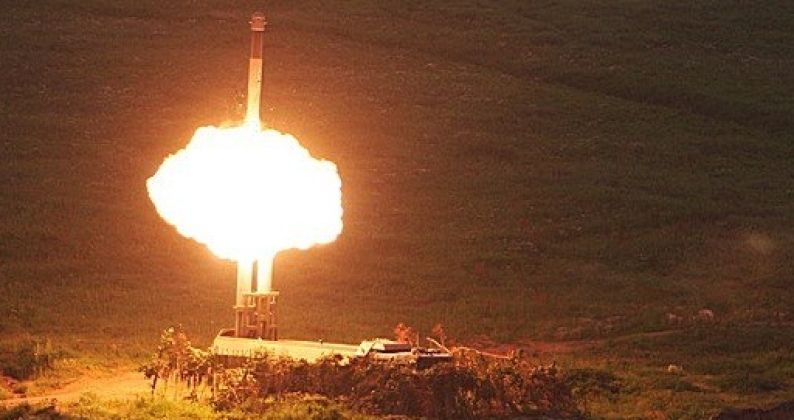
Launch of P-800 Anti-Ship Cruise Missile From Russian Bastion System
Bastion mobile cruise missile systems operating under the Russian Navy Northern Fleet have held exercises on Franz Josef Land simulating anti-shipping strikes, as the systems continue to be relied heavily for anti-access area denial in the region. “As part of regular combat training, Bastion coastal defence missile system crews from the Northern Fleet’s tactical group based on the Franz Josef Land archipelago have held the exercise,” the Northern Fleet reported. Crews were tasked with tracking and destroying enemy ships in the Arctic Ocean, and with rapidly redeploying their systems from firing positions after missile launches, which is a key measure to ensure survivability.
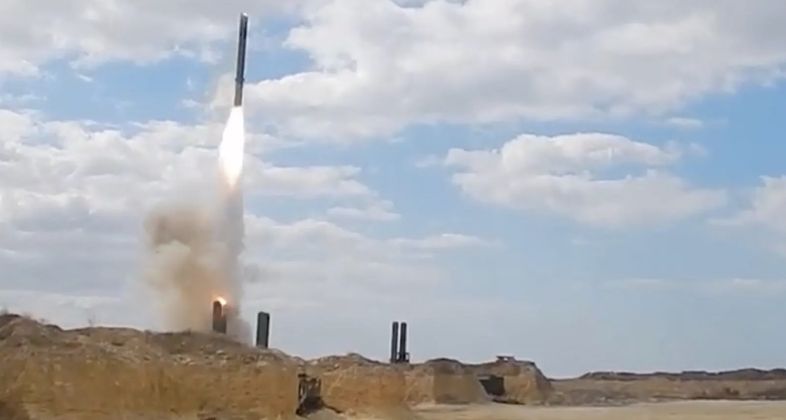
After being signalled to engage, the crews engaged a computer simulated unit of enemy ships located about 300 kilometres away. During the exercise, the missile crews conducted operations to camouflage their positions and counter drones. The systems were equipped with P-800 Oniks anti-ship cruise missiles, which can be used to create restricted access and manoeuvre zones in the Arctic to ensure the protection of Russia’s maritime territories in the region. Bastions can be deployed to combat positions within minutes, and in the Arctic have been used to create restricted access and manoeuvre zones in the region, including during exercises in September 2025 when they were tasked with defending an Arctic coastline over 600 kilometres long.
P-800 missiles have Mach 2.5 speeds and 800 kilometre ranges, with the new P-800M variant also benefitting from greater manoeuvrability. The P-800 has been succeeded in service by the Navy’s newest type of anti-ship cruise missile, the Zircon, the first of which were delivered in December 2019. Although Zircons have been deployed from surface ships and submarines, however, a ground-based mobile launch system accommodating the missiles like the Bastion does for the P-800 remains under development. Zircon has a 1,000 kilometre range, and compared to the P-800 is far more manoeuvrable and has a significantly higher Mach 9 speed that makes it nearly impossible to intercept.
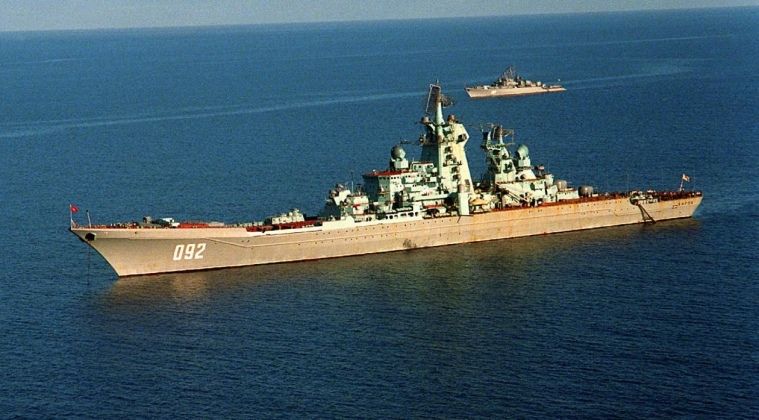
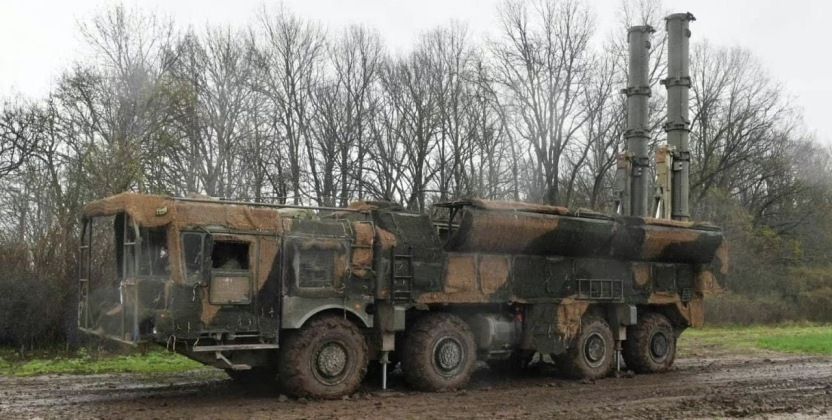
Russia has relied particularly heavily on mobile cruise and ballistic missile systems to asymmetrical counter larger Western Bloc conventional forces. The Iskander-K system deploying land attack cruise missiles has gained a much improved capability to strike targets across Europe with the integration of the 2,000 kilometre range 9M729 missile, while the new Oreshnik intermediate range ballistic missile with hypersonic glide vehicles was brought into service in December 2025. The securing of the Arctic using systems like the Bastion has gained renewed importance due to the opening of the Northern Sea Route, the significance of which has grown as Western Bloc states have increasingly targeted civilian shipping in international waters in other regions which Russia has been less able to secure. The Northern Fleet has itself been significantly strengthened by the commissioning of growing numbers of Yasen-M class nuclear powered attack submarines, and by the service entry of the first modernised Kirov class nuclear powered cruiser, which is the world’s only nuclear powered surface combat ship and has advanced air defence and cruise missile strike capabilities.
