
Republic of China Army Procuring World’s Largest Arsenal of U.S. HIMARS Rockets and ATACMS Missiles to Threaten Beijing
Military Watch Magazine Editorial Staff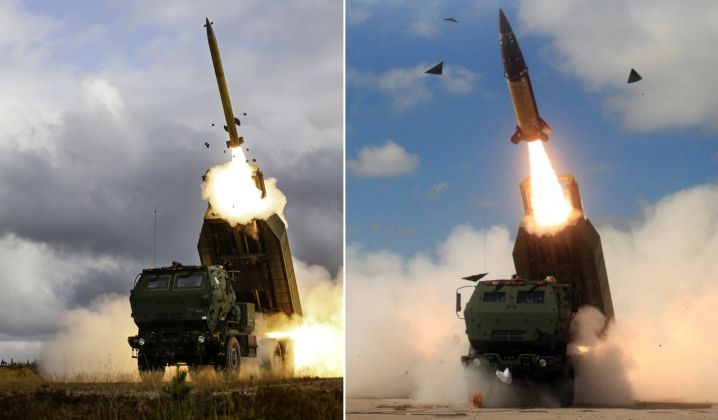
GMLRS Rocket (left) and ATACMS Ballistic Missile Launches From HIMARS System
The Republic of China Army is expected to field one of the largest HIMARS fleets outside the United States, with the system accommodating ATACMS, guided rocket artillery, and in future possibly more compact and longer ranged PrSM ballistic missiles. Current procurement plans call for 111 HIMARS launchers together with more than 500 ATACMS ballistic missiles delivered in multiple batches, creating a substantial precision-strike capability integrated into the Army's wider fire support network. The large inventory will also allow launchers to be dispersed across multiple locations, making them more difficult to locate and destroy during a conflict.
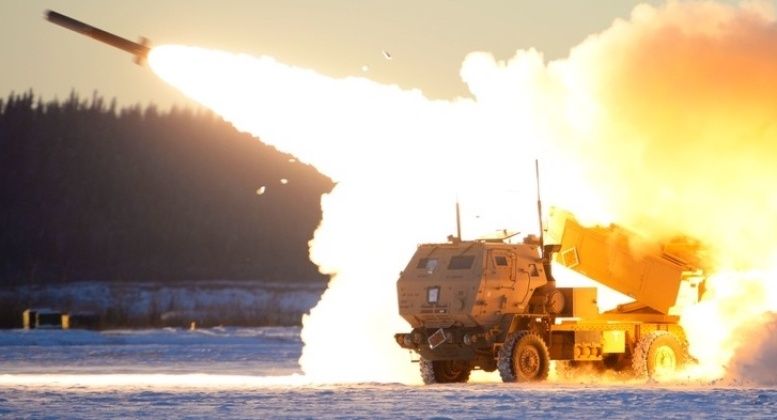
The U.S. Army has provided Lockheed Martin with $439 million to begin building the Army Tactical Missile System (ATACMS) along with the launcher hardware needed to fire it, to equip the Republic of China Army. With talks for expanded sales of the missiles ongoing, it is expected that sales will grow to encompass nearly $900 million worth of ATACMS. By continuing the acquisition and deployment of ATACMS, the Republic of China Army is significantly expanding its long-range precision strike capabilities. The purpose of this missile buildup is to enhance capabilities to conduct deep strikes against staging areas, air bases, missile launch sites, logistics hubs, and command centres on the Chinese mainland.
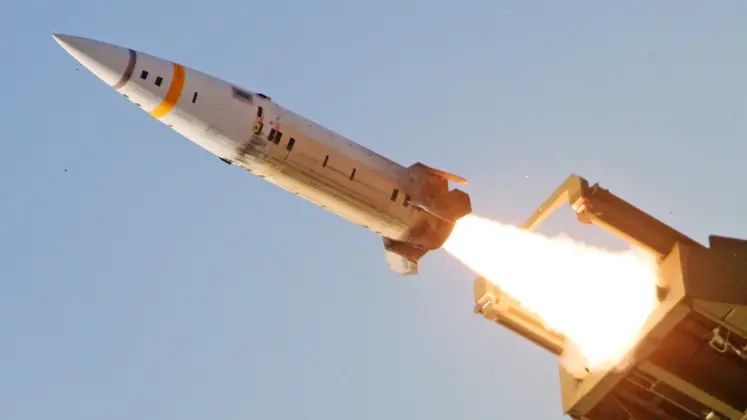
The scale of procurements of HIMARS and ATACMS has made it one of the most significant expansions of the Republic of China Army’s long-range strike capabilities in the service’s history. Although the systems remain limited compared to the Chinese mainland’s much larger missile forces, they provide an increasingly credible capability to threaten key infrastructure across the Taiwan Strait. Procurements have been praised by local analysts and defence officials as being optimally suited to equip forces for wars of the future, in contrast to procurements of conventional assets such as tanks and howitzers which have been criticised as being far from cost effective.
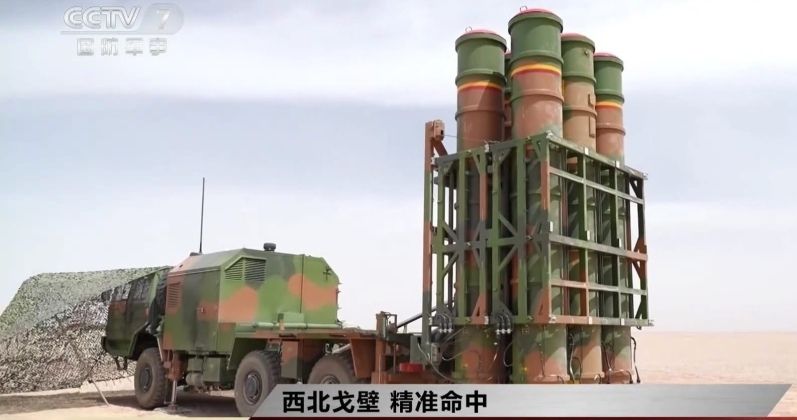
The establishment of a Joint Firepower Coordination Centre in Taipei in January 2026 has allowed U.S. forces to select targets and overseen the planning of strikes using Republic of China HIMARS and ATACMS against targets on the Chinese mainland, which has further raised controversies regarding sales. The advanced capabilities of mainland China’s multi-layered air defences, however, have raised questions regarding whether ATACMS will be effective, particularly when considering the multiple successful interceptions which Russia’s less capable air defences have achieved against the missiles in the Ukrainian theatre. The Chinese People’s Liberation Army, based on the mainland, has prioritised the deployment of advanced new generations of anti-ballistic missile systems near the Taiwan Strait, including equipping the 73rd Group Arm stationed in Fujian with the first new HQ-16F long range air defence systems.
