
Republic of China Army Makes First Force Deployment to Frontier Island During Expanded Han Kuang Exercises
Military Watch Magazine Editorial Staff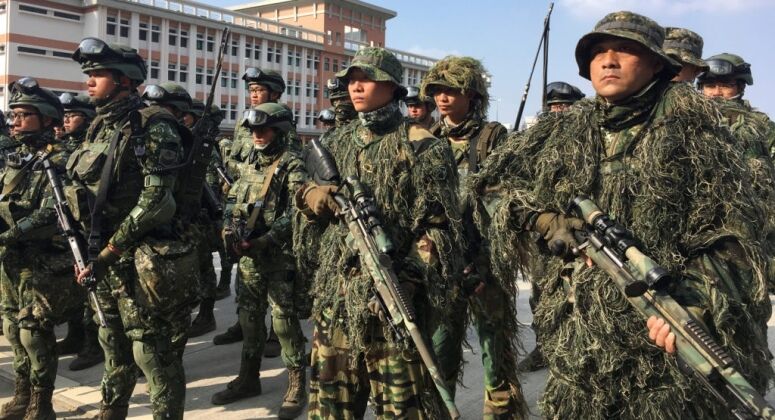
Republic of China Army Personnel
The Republic of China Army has for the first time deployed ground forces to the offshore island of Xiaoliuqiu as part of the ongoing Han Kuang 42 military exercises, marking a significant expansion of efforts to improve the military’s ability to rapidly reinforce outlying positions in the event of conflict. The deployment was conducted by the Fourth Theatre Command and focused on testing cross-sea mobility and the establishment of a forward combat outpost. Located approximately 15 kilometres southwest of Taiwan Island, off the coast of Pingtung County, Xiaoliuqiu has traditionally had little permanent military presence despite its strategic location overlooking southern approaches.
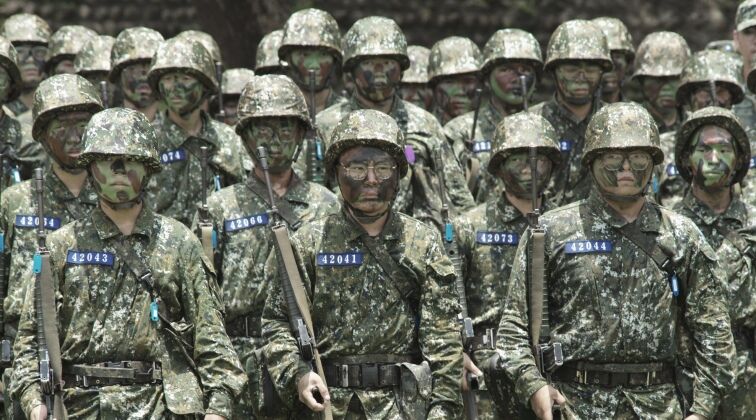
The Han Kuang military exercises have in recent years increasingly shifted from scripted demonstrations toward more realistic wartime scenarios. The 2026 exercise is the largest and most comprehensive to date, lasting ten days and involving regular forces, reservists, civilian agencies, and critical infrastructure operators. For the first time, the drills include temporary restrictions on mobile internet services, U.S.-style “backbrief” command procedures, and large-scale tests of reserve mobilisation and wartime civil resilience. They place particular emphasis on decentralised command, rapid decision-making, logistics under combat conditions, and the ability to respond flexibly to unexpected developments during a potential conflict with mainland China. The Republic of China government based in Taipei and the People’s Republic of China government based in Beijing remain in a state of civil war, with both claiming to be the sole legitimate Chinese governments.
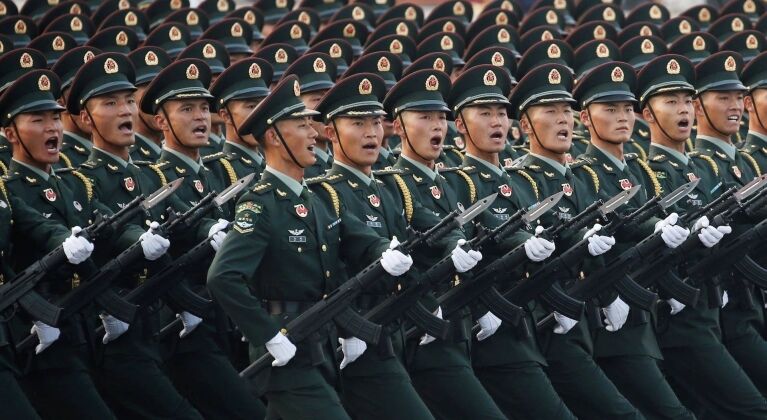
Military officials indicated that operations on Xiaoliuqiu were intended to evaluate the armed forces’ capacity to rapidly establish a combat presence on islands that could serve as observation posts, logistics hubs, or defensive strongpoints during a conflict. The exercise included transporting personnel and equipment across open water, establishing defensive firing positions, and integrating the detachment into broader theatre operations. During the exercise, personnel were transported to the island by naval vessels before establishing defensive positions and conducting live-fire drills designed to simulate the rapid reinforcement of vulnerable offshore territory.
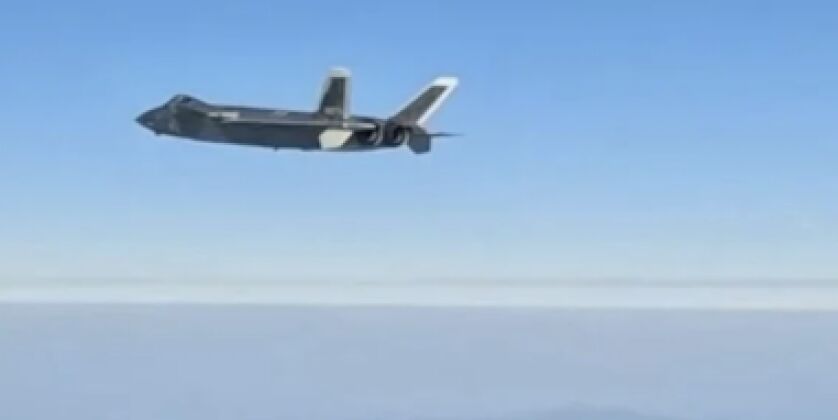
The establishment of a temporary forward combat outpost on Xiaoliuqiu highlights the Republic of China Army’s increasing focus on defending not only Taiwan Island, but also strategically located offshore territories. Although considerably smaller than the heavily fortified Kinmen and Matsu island groups, Xiaoliuqiu’s position is still strategically important. The exercise also reflects broader effort to improve operational flexibility across all regional commands. The balance of power in the Taiwan Strait has nevertheless increasingly overwhelmingly favoured the Chinese mainland, including on land, at sea, and in the air domain, with the mainland’s People’s Liberation Army scheduled to begin fielding sixth generation fighters around 2030, and already fielding the world’s fastest growing fifth generation fleet, while the Republic of China Air Force struggles to receive ‘4+ generation’ lightweight fighters from the United States after years long delays. This illustrates broader trends in the shifting balance of power in the strait.
