
Pakistan Air Force Pilot Highlights How Chinese J-10C Fighters Have Left U.S. F-16s Obsolete
Military Watch Magazine Editorial Staff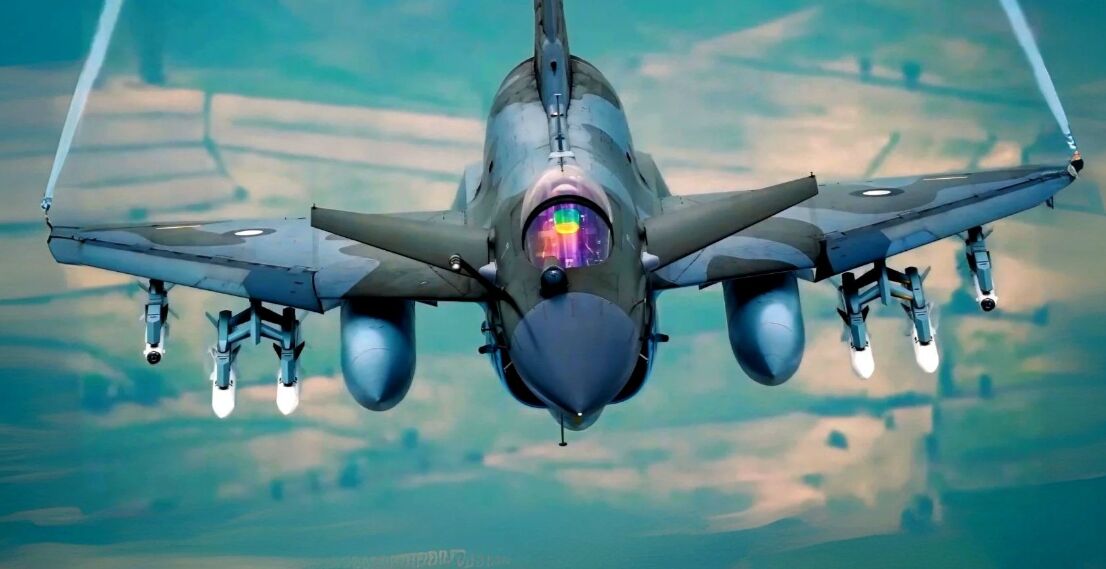
Pakistan Air Force J-10C with PL-15 and PL-10 Air-to-Air Missiles and Two External Fuel Tanks
A Pakistan Air Force pilot has commented on the current standing of the Chinese J-10C ‘4+ generation’ fighter in the country’s combat fleet, and how the position of the U.S.-supplied F-16, which at the beginning of the decade was the country’s most pale fighter type, has diminished considerably. "The J-10C leads the F-16 by a generation. In terms of radar, avionics, electronic warfare systems, and especially the weapon systems using PL-15 missiles, the F-16 is completely incomparable to it,” the pilot observed in a recent interview. Both fighter types are single engine lightweight designs, with the Pakistan Air Force operating both Cold War era F-16 variants, and more modern F-16 Block 50/52 variants.
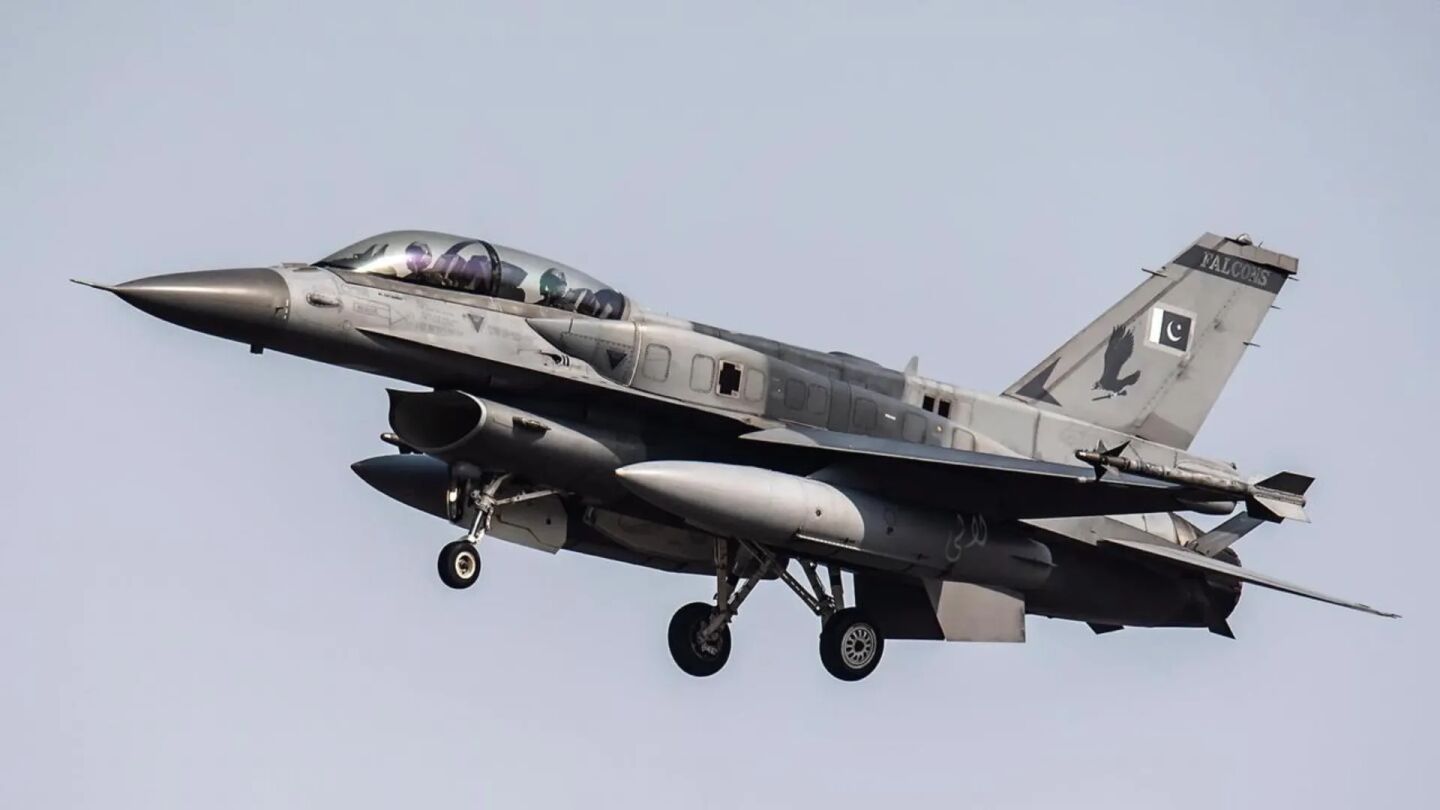
The F-16 saw its capabilities broadly matched by the Chinese JF-17 fighter in the 2000s, before being surpassed in the early 2020s by the JF-17 Block 3, followed by the more capable J-10C. Both of these two recently procured Chinese fighter types are considered advanced ‘4+ generation’ aircraft which use many of the same avionics and weapons technologies as the J-20 fifth generation fighter. The pilot’s report follows confirmation that the F-16 reportedly constrained during the 2025 India-Pakistan conflict by the limited range of its AIM-120C-5 air-to-air missiles, highlighting a growing disparity between Pakistan’s U.S.-origin fighters and its newer Chinese-supplied combat aircraft. The AIM-120C-5’s approximately 100 kilometre range and ageing seeker compares poorly to the close to 300 kilometre range and modern AESA radar seeker of the Chinese PL-15 missile.
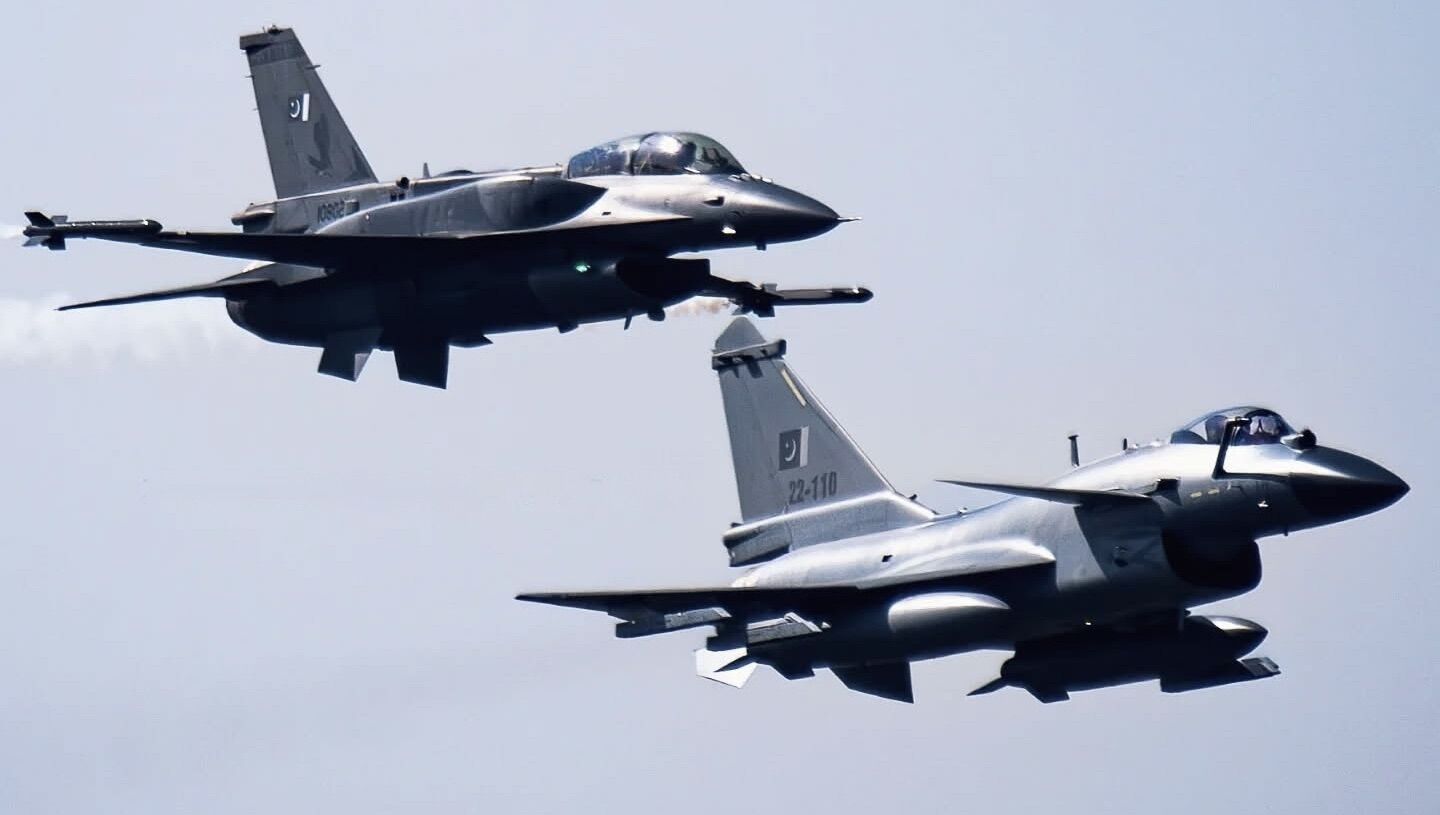
The J-10C’s service entry for the first time provided Pakistani fighter units with a distinct advantage over those in Indian Air Force service, with the aircraft credited with shooting down between one and for Indian Rafale fighters in May 2025. The J-10C’s combat record in Pakistani service was in August cited by Bangladeshi officials as a reason why the fighter type was selected over competing Western aircraft. The victories achieved by Pakistani J-10Cs over Indian Air Force Rafales were far from isolated, with multiple sources having confirmed that the aircraft operated won overwhelming victories in simulated air-to-air engagements against Qatar Emiri Air Force Eurofighters, achieving a 9-0 score during engagements.
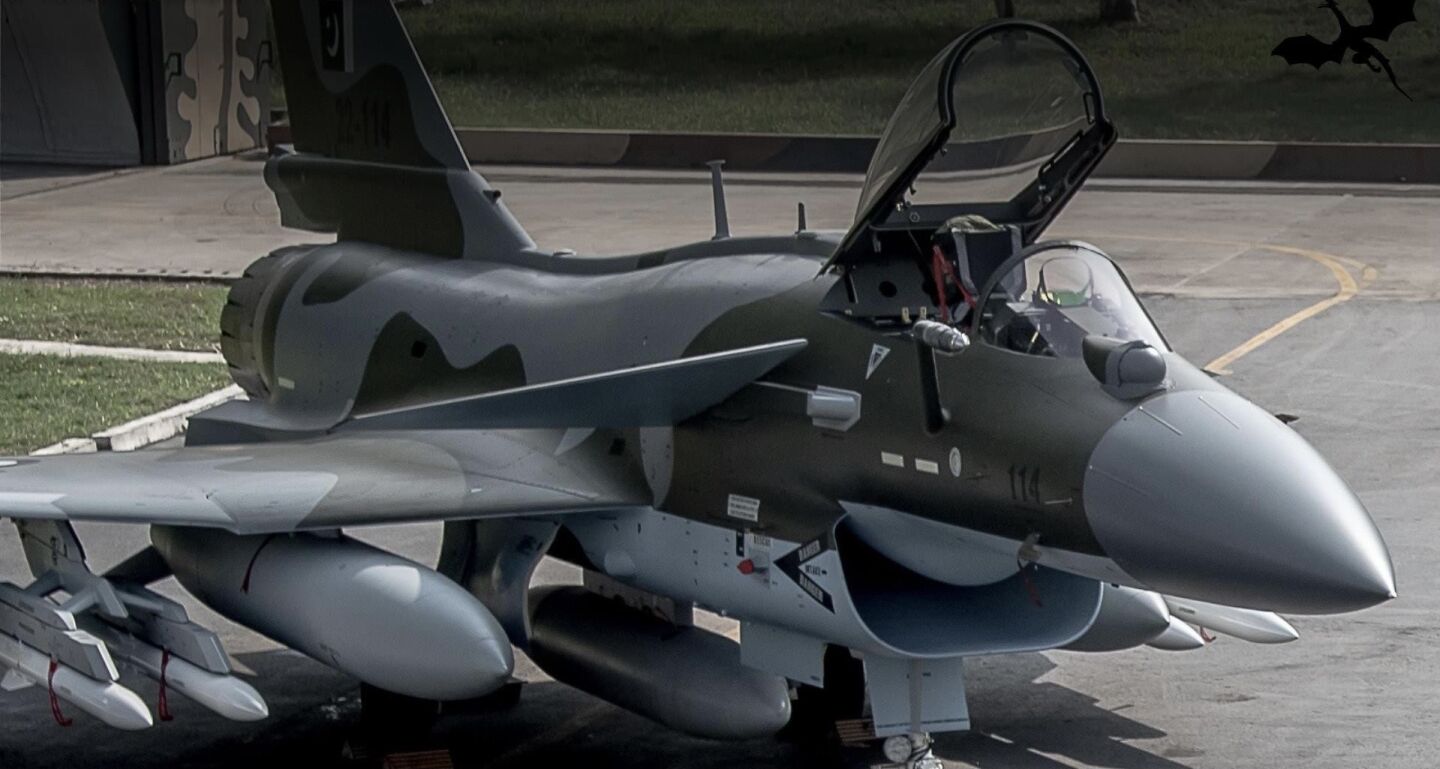
China is currently leading the world by close to a decade in sixth generation fighter development, with the prestige of its fighter aviation industry having continued to grow. As the first operator of Chinese ‘4+ generation’ fighters, the Pakistan Air Force has played an important role in demonstrating these advantages to much of the world. The demonstrated capabilities of the J-10C, and Pakistan’s expected procurement of more advanced Chinese fighter types, has placed considerable pressure on the Indian Air Force to further modernise its capabilities, with the procurement of Russian Su-57 fifth generation fighters and S-400 air defence systems having increasingly appeared to be the only near term option to prevent growing Pakistani air dominance. Although less capable than the J-20, the Su-57 is expected to provide an advantage over the J-10C, and could potentially engage more advanced fighters when operating alongside S-400s and other supporting assets.
