
China’s J-10C Fighter Takes Centre Stage in Thai Exercises After Major Combat and Export Successes
Military Watch Magazine Editorial Staff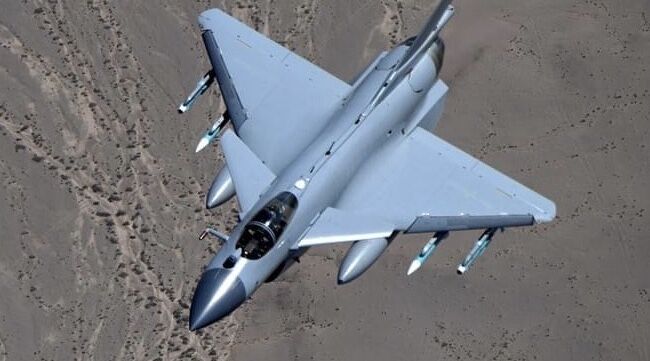
J-10C Fighter
J-10C lightweight single engine fighters deployed by the Chinese People’s Liberation Army (PLA) Air Force have taken centre stage in the latest Falcon Strike joint air exercise in Thailand, with the fighter type’s advanced capabilities having gained growing attention internationally after its first combat test in May 2025. The Chinese contingent includes J-10C fighters, J-10S fighter trainers, Y-20 strategic transport aircraft, early-warning aircraft, aerial refuelling tankers and ground-based air defence systems. The Royal Thai Air Force is participating with JAS 39 Gripen fighters and Alpha Jet light attack and training aircraft. The breadth of the Chinese deployment is significant, as it allows the PLA Air Force to practise not merely fighter operations but the coordination of multiple elements required for a sustained overseas air campaign.
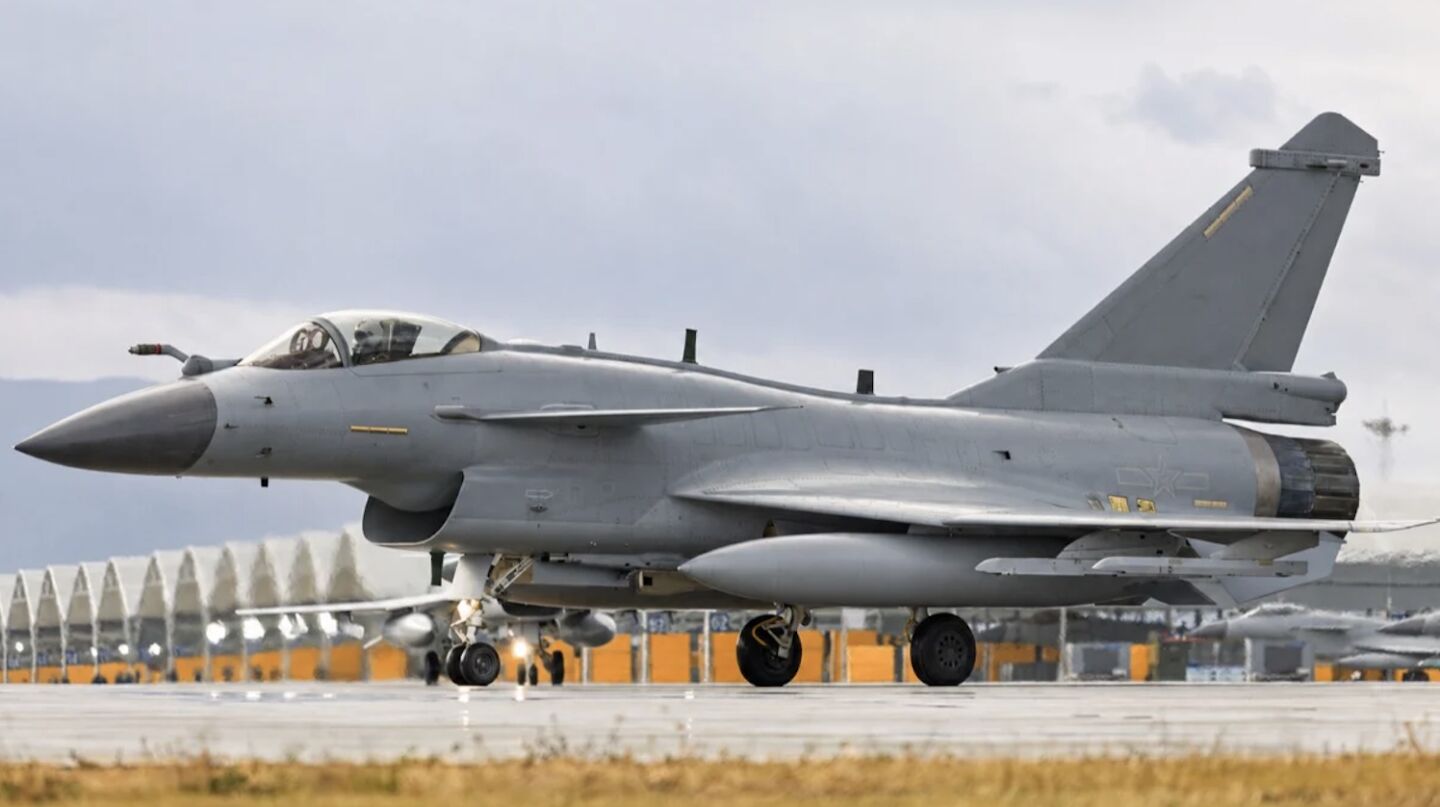
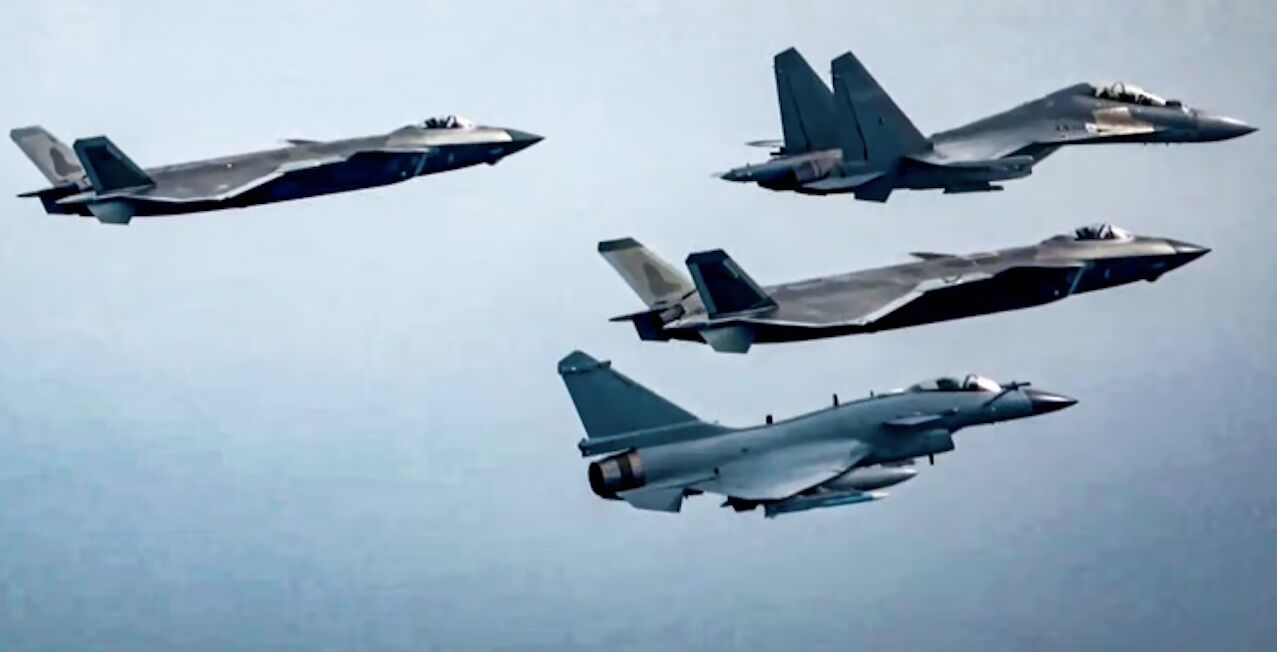
The J-10C was developed alongside its heavyweight twin seat counterpart the J-16 in the 2010s, in parallel to the J-20 fifth generation fighter program, with the three aircraft using the same primary weapons types and several common technologies. This has made the J-10C among the most capable single engine fighters in the world, with its advanced high composite airframe, avionics, and missile types having few rivals abroad. The J-10C saw its first high intensity combat test to achieve outstanding results against the Indian Air Force in May 2025, shooting down between one and four Rafale fighters according to prevailing reports.
The J-10C has gained growing popularity on foreign export markets, with Pakistan reported to be planning to double procurements to 72 fighters, while Indonesian sources in June widely reported that the country’s defence ministry had doubled orders for aircraft, after Defence Minister Sjafrie Sjamseoddin having emphasised that this is part of a broader modernisation plan. Sjamseoddin first confirmed the planned procurement of J-10C fighters on October 16, 2025. Earlier in August 2026, the Uzbekistan Air and Air Defence Forces was reported to have received their first Chinese J-10C fighters. In June multiple media outlets reported that the Ministry of Defence of Bangladesh has reached a decision to procure two dozen J-10Cs.
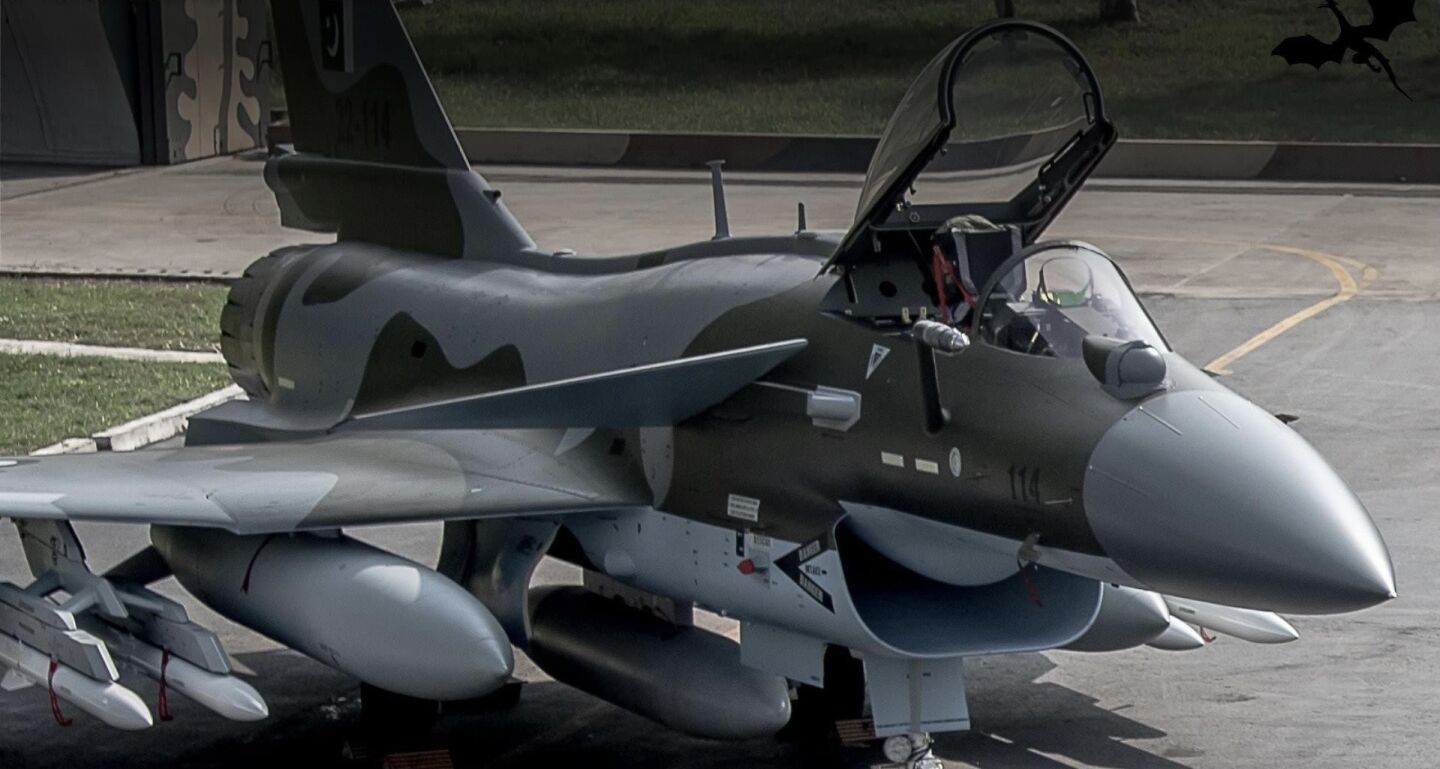
In May 2026 Chinese state broadcaster CCTV confirmed longstanding reports that J-10C fighters operated by the Pakistan Air Force won overwhelming victories in simulated air-to-air engagements against Qatar Emiri Air Force Eurofighters. The Zilzal-II. These joint air exercises in Qatar in January 2024 saw the J-10Cs achieving a 9-0 score during engagements. These successes have been one of multiple factors that significantly raised the prestige of China’s combat aviation industry, with the country’s unveiling of two new sixth generation fighter types in December 2024 at flight prototype stages providing a further indicator that the industry was leading the world in development. While the J-10C is by far the cheapest and lowest end fighter being procured by the PLA Air Force, its strong performances have provided an indicator of the broader position of the country’s combat aviation industry.
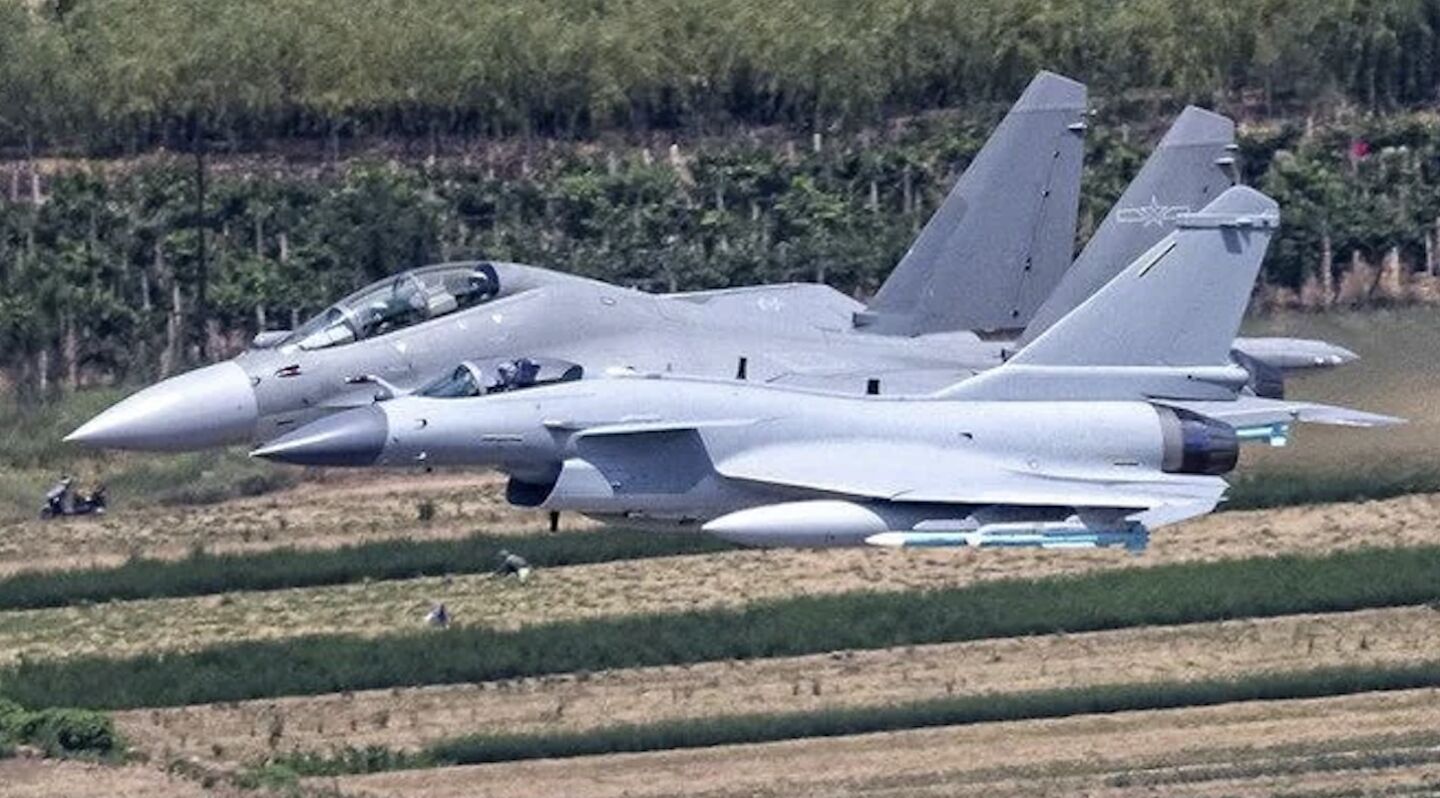
The Falcon Strike exercise provides an opportunity to display the J-10C’s capabilities in Southeast Asia, although in Thailand and several other regionals states political factors, namely pressure from countries in the Western world, remain a major obstacle to making fighter procurements from China. The exercise will focus on joint air defence, force deployment and humanitarian assistance and disaster relief, with the air defence component providing an opportunity for Chinese and Thai forces to practise coordinating against targets at different altitudes and speeds. Such training involves not only the interception of aircraft but also task allocation, target identification and coordination between different elements of an integrated air defence network.
