
Over 50 American F-35 Stealth Fighters Drill to Take Out Iran’s Multi-Layered Missile Defence Network: Airspace Protected by S-300, Bavar-373 and More
Military Watch Magazine Editorial Staff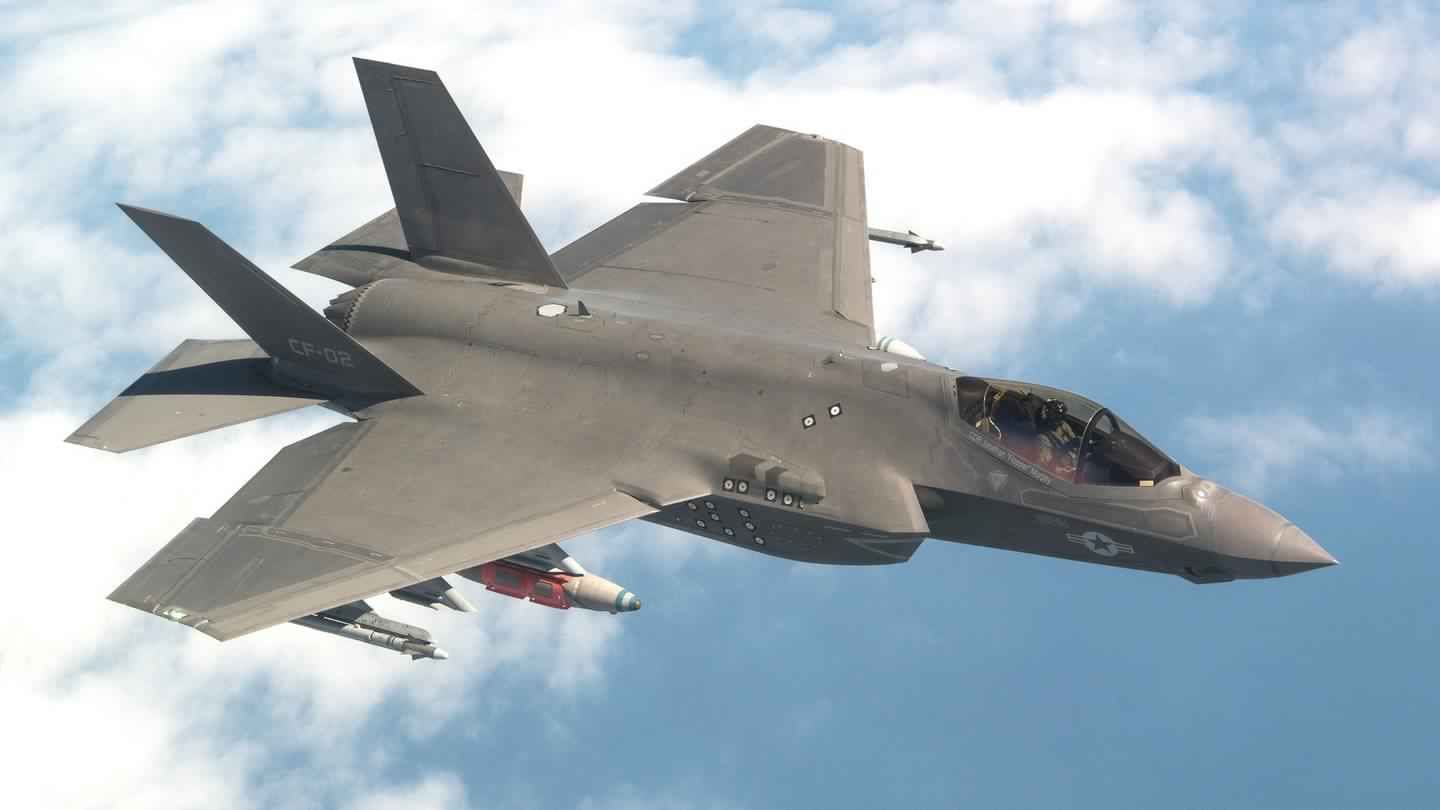
F-35 Stealth Fighter
Amid fast rising tensions between the United States and Iran following the former’s assassination of Quds Force commander General Qasem Soleimani, the U.S. Air Force has a launched massive exercises for its newest class of combat jet - the F-35A fifth generation fighter. Aircraft from the 388th and 419th Fighter Wings performing a number of simulated missions at the Utah Test and Training Range, a drill which was reportedly a "culminating event" after both received their full complements of fighters jets. The drills were intended to demonstrate the ability to carry out large scale combat deployments in a short time, and to send a message both to the U.S. leadership regarding the capabilities of the Air Force’s fighter wings as well as to potential adversaries - according to 388th wing vice commander Colonel Michael Ebner. 52 F-35A fighters were involved in the exercise.
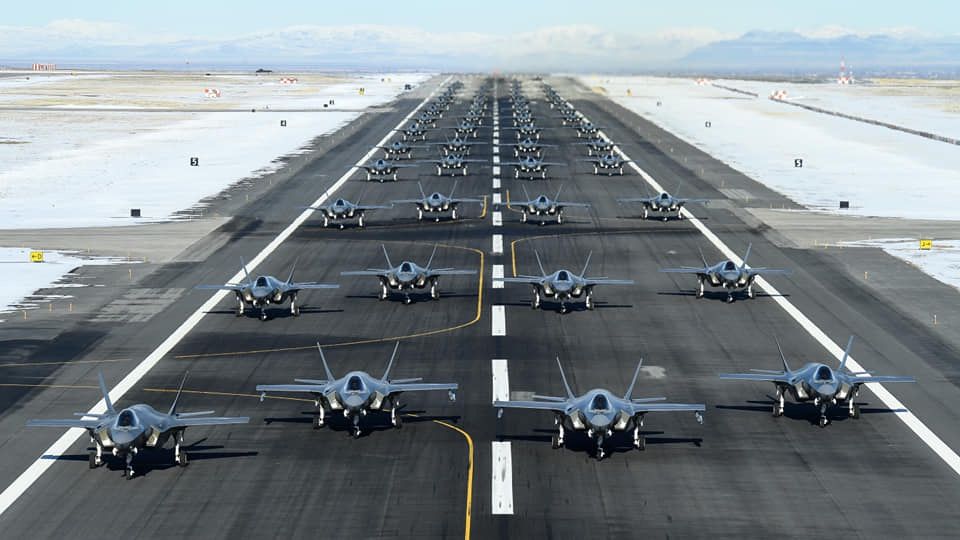
Drills reportedly tested the effectiveness of both pilots and technical personnel in coordinating operations on such a large scale to perform assigned combat training missions, with the stealth fighters carrying out simulated strikes on both ground and air targets. The F-35, developed under the Joint Strike Fighter program, is primarily oriented towards an air to ground combat role retaining only a limited defensive air to air capability. The fighter’s powerful sensors and advanced electronic warfare systems and stealth capabilities are designed to allow it to penetrate heavily defended enemy airspace. While the Air Force drills have been planned for several weeks, and their coinciding with recent tensions with Iran is coincidental, the situation on the ground in the Middle East is likely to have had at least some influence on how they were carried out.
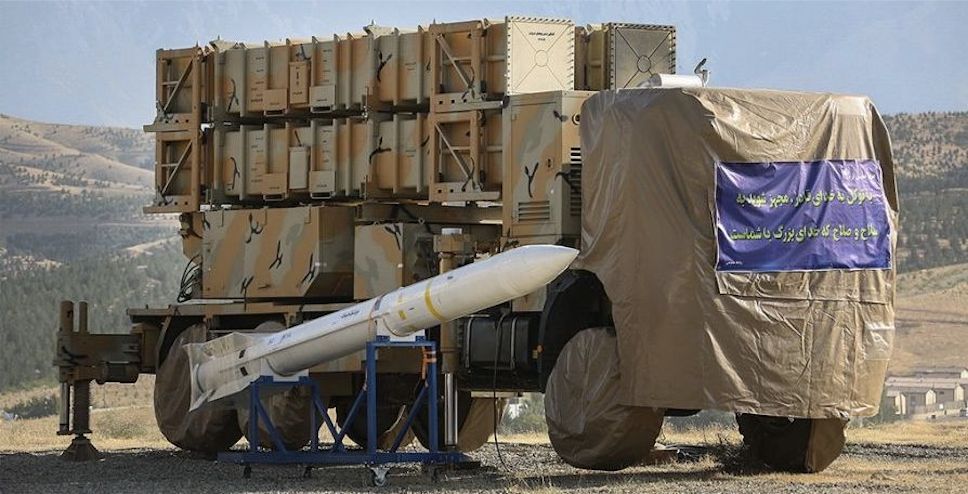
Multiple F-35A squadrons have been deployed to the Persian Gulf region placing targets across Iran within range, while further units and carrier based F-35B fighters can also be deployed on relatively short notice. The Israeli Air Force deploys a further two squadrons in the region. Iran currently operates a number of advanced surface to air missile platforms, the performance of which was demonstrated in June 2019 when a 3rd of Khordad system downed a Global Hawk surveillance drone in full stealth mode at range. Long ranged systems deployed include the S-200, the S-300PMU-2, the Khordad 15 and the Bavar-373 - the first two acquired from Russia and the latter two having been developed indigenously. The F-35 itself, however, remains very far from fully combat ready, and is capable of carrying out only a narrow range of roles meaning it is unlikely to spearhead any offensive operations in the near future.
