
North Korea Rejects U.S. Pressure; Promises More Missile Tests if Washington Refuses Negotiations
Military Watch Magazine Editorial Staff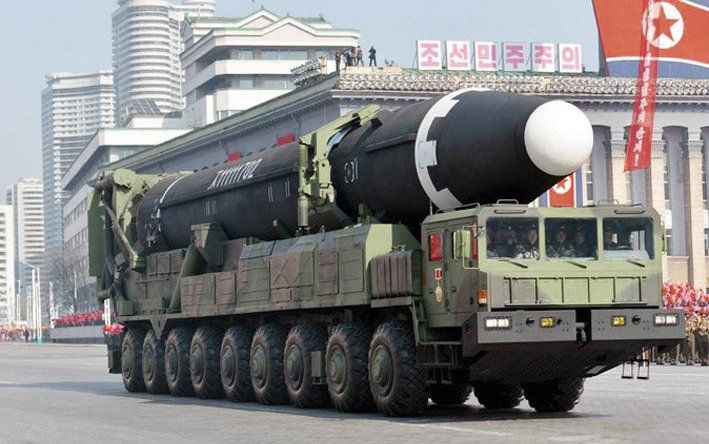
North Korean Hwasong-15 Intercontinental Range Ballistic Missile
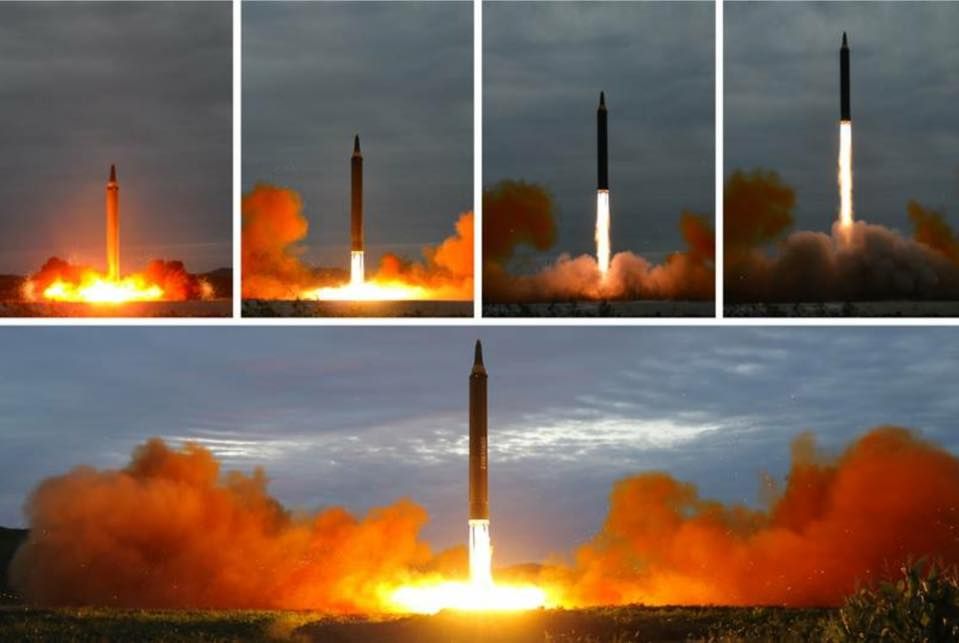
Following recent tests of extended range rocket artillery and new short ranged tactical ballistic missiles, North Korean state media outlet the Korean Central News Agency (KCNA) has reportedly stated that giving up missile testing would amount to giving up the state’s right to self defence. This was likely in response to heavy Western criticism of the test, which though it didn’t violate international law was contrary to the interests of Western powers in the region. North Korea conducted its last test of long range strategic ballistic missiles in late 2017, successfully demonstrating its ability to deliver newly developed miniaturised thermonuclear warheads to the United States mainland with the Hwasong-15 intercontinental range ballistic missile (ICBM). This was the third ICBM test the country had conducted, with two prior tests of the lighter Hwasong-14 that year which also placed much of the U.S. mainland in its reach. Tests of intermediate ranged ballistic platforms such as the Hwasong-12, Kumsong-3 anti ship cruise missiles and KN-06 long range surface to air missile also took place in 2017, providing a complementary enhancement to the country's defences alongside the ICBMs.
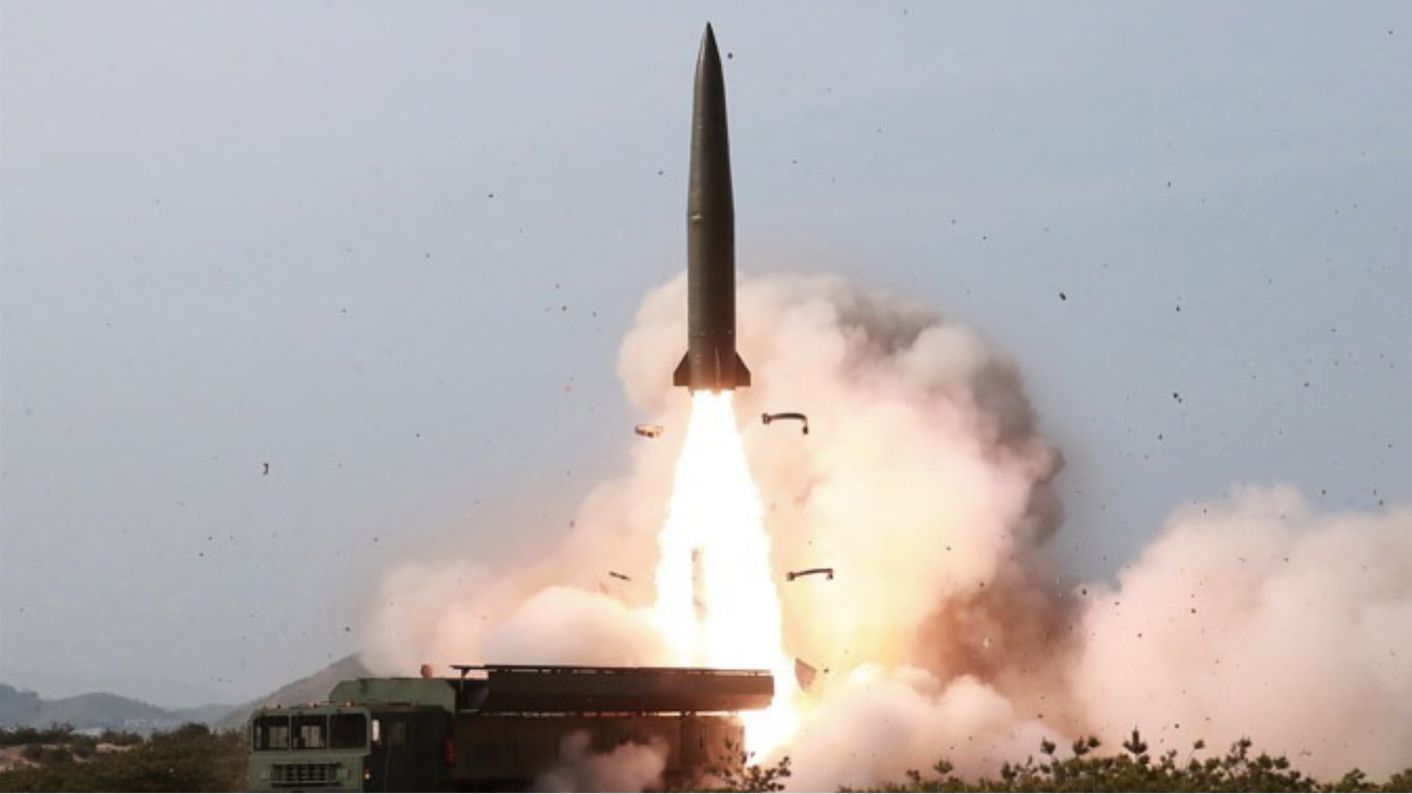
Testing in early 2019, with two confirmed tests of a new solid fuelled tactical platform designed to launch precision strikes on American and other hostile military facilities in South Korea and possibly Japan, came in response to what Pyongyang believed was the United States’ reluctance to negotiate in good faith. The U.S. reportedly pulled out of the Hanoi Summit between the leaderships of both countries in February 2019 after rejecting step by step mutual concessions and instead demanding a ‘Libya Scenario’ for the East Asian state - namely a complete surrender of Korean ballistic missile, nuclear and other unconventional weapons capabilities in exchange for no immediate concessions. These would be accompanied by intrusive American inspections of the country's military facilities which would leave the East Asian state highly vulnerable to attack. North Korea for its part, previously having frozen missile and nuclear tests for over a year, abolished its nuclear testing facility, returned American prisoners without serving their sentences and returned the remains of U.S. soldiers but had yet to see any significant reciprocation for its repeated concessions to the U.S.
In April 2019 North Korea set Washington an ultimatum of January 2020 to return to the negotiating table in good faith, after which it would resume testing of its strategic nuclear assets and nuclear warheads to further strengthen its deterrence. Pyongyang is reportedly simultaneously strengthening its deterrent by manufacturing large numbers of previously tested missile designs such as the Hwasong-15 and Pukkuksong-2, presumably with associated thermonuclear warheads. At what pace North Korea tests further tactical missile platforms will likely depend largely on the United States’ willingness to negotiate, with economic sanctions until that time placing tremendous pressure on the East Asian state’s economy with adverse affects for the population’s living standards. While a complete lifting of Western sanctions is highly unlikely even if North Korea were to completely denuclearise, the lifting of more recent Western drafted sanctions imposed through the United Nations Security Council would place the North Korean state in a far better position to pursue economic modernisation.
