
No Delays to Russia’s Su-57 Induction Plans: First Serial Batch to be Delivered in 2020
Military Watch Magazine Editorial Staff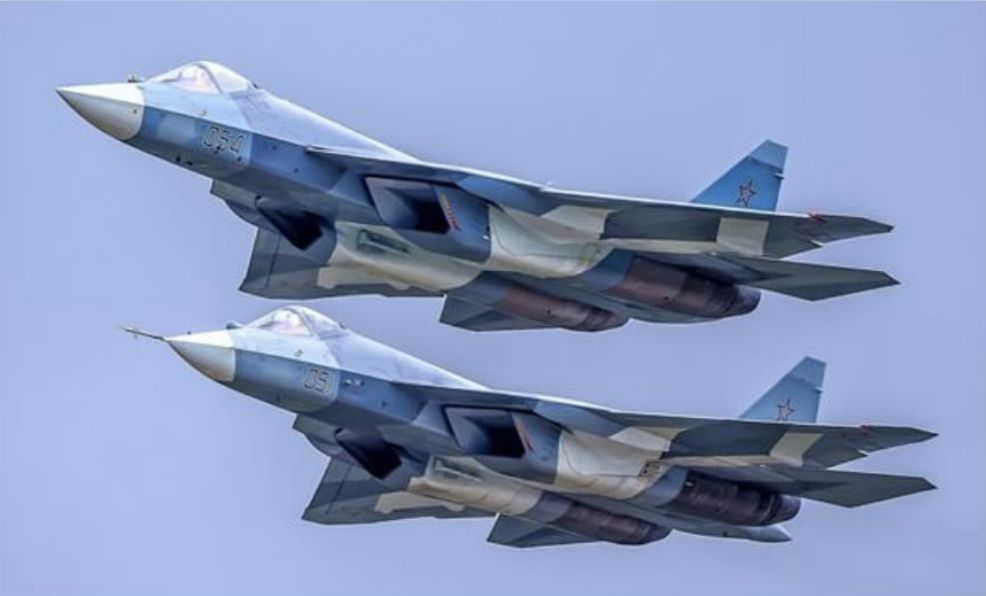
Russian Su-57 Next Generation Fighters
The Russian Air Force will receive its first serial production batch of Su-57 next generation air superiority fighters in 2020, despite speculation of significant delays to the program following a crash on December 24th. The crash occurred during a flight test, 120 kilometres from the Komsomolsk on Amur aircraft plant in Russia’s Far East, although it remains uncertain whether the test was of a prototype or a serially produced jet. The Su-57 saw its first flight in January 2010, and entered mass production in June 2019 with the Russian Air Force planning to field at least 76 fighters by 2027. The fighters were developed as a next generation replacement for the Soviet Su-27, and the design continues to be improved as next generation technologies are developed for integration onto the airframes from hypersonic ballistic missiles and artificial intelligence to laser weapons and anti gravity flight suits.
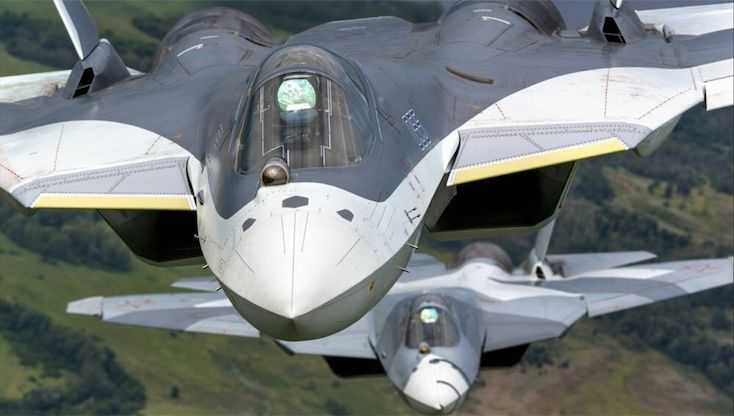
The Su-57 has gained considerable overseas interest from a number of Russia’s defence clients such as Algeria, India and China, and many sales are expected to take place in the 2020s as the design is further refined and as more countries look to phase their Su-27 fighters out of frontline service. Advanced prototypes have been deployed for low intensity combat testing in Syria from February 2018, conducting airstrikes on Islamist militant positions and testing their sensors in the theatre. Russia’s schedule for inducting the aircraft into service was notably accelerated considerably in 2019, possibly in response to intelligence on the United States’ own sixth generation fighter programs, and mass production variants are expected to cost the Russian Military approximately $35 million per aircraft. The costs of operating the aircraft however, and of equipping them with modern armaments including hypersonic missiles, remain high. These costs, as well as plans to further refine the design before it can be acquired on a larger scale, mean that it is being manufactured at a lower rate than the '4++ generation' air superiority fighter the Su-35.
