
New U.S. THAAD Radars Are Finally Getting the Russian S-300’s ‘Mobile Sensor Platform’ Function
Military Watch Magazine Editorial Staff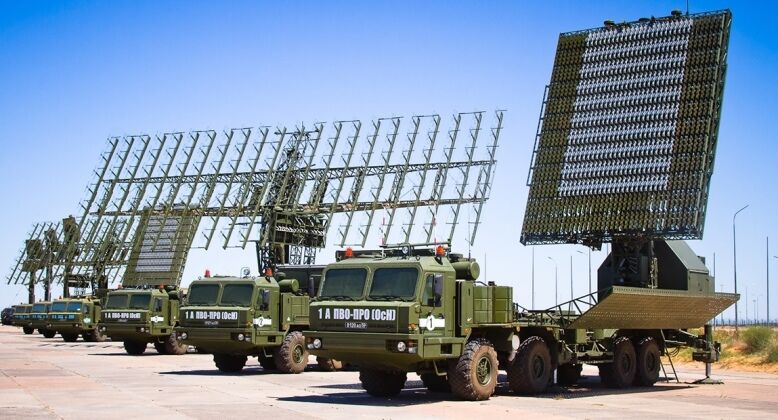
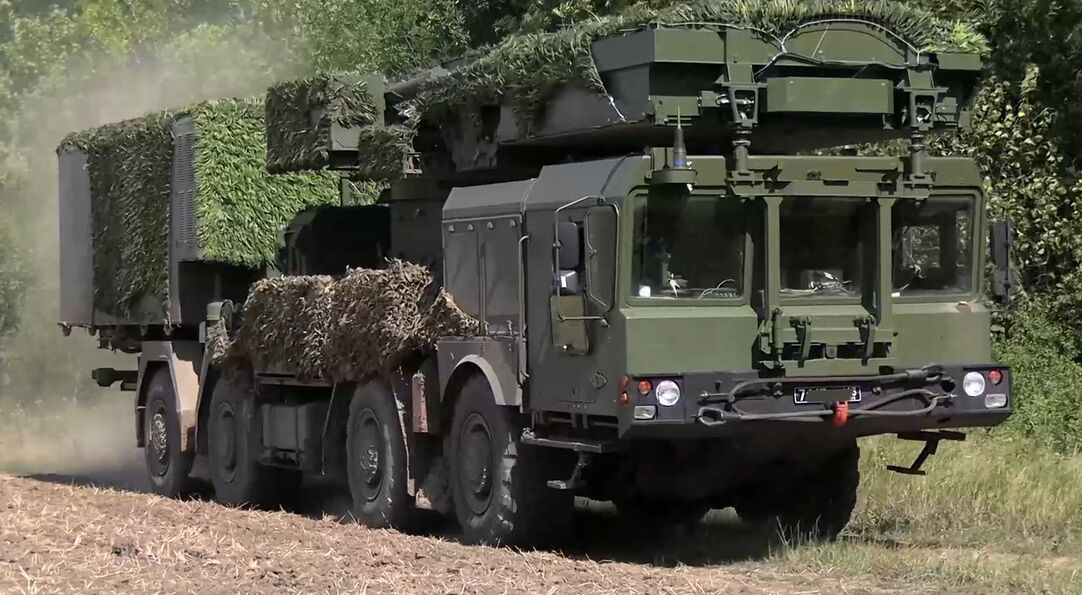
The United States is looking to develop a new generation of highly mobile air-defence radars, after U.S. and allied missile-defence systems faced sustained attacks and saw multiple high and medium value radar installations destroyed. The destruction of air defence radars in the early stages of the war, after Washington initiated hostilities on February 28, has served as a valuable force multiplier for Iranian ballistic missile and drone strikes, limiting situational awareness for the U.S. and its strategic partners. The requirement for more mobile radars has clear parallel with Russia’s S-300 and S-400 family, which were designed from the outset as a road-mobile air-defence system, with their radars, command elements and missile launchers mounted on highly mobile vehicles.
The new U.S. approach is expected to move air defence further away from the traditional Western concept of a self-contained battery, making radars nodes in wider networks as is the case in Russia. A mobile sensor can detect a target and transmit the information to remote launchers or other sensors, allowing the radar itself to remain physically separated from the interceptor. This is particularly important because the U.S. Armed Forces’ existing Integrated Air and Missile Defense Battle Command System, or IBCS, is designed around networking sensors and weapons rather than requiring every missile battery to rely solely on its own radar. Such an architecture could allow the United States to combine different sensors, including short-range air-defence radars, long-range surveillance radars and space-based systems.
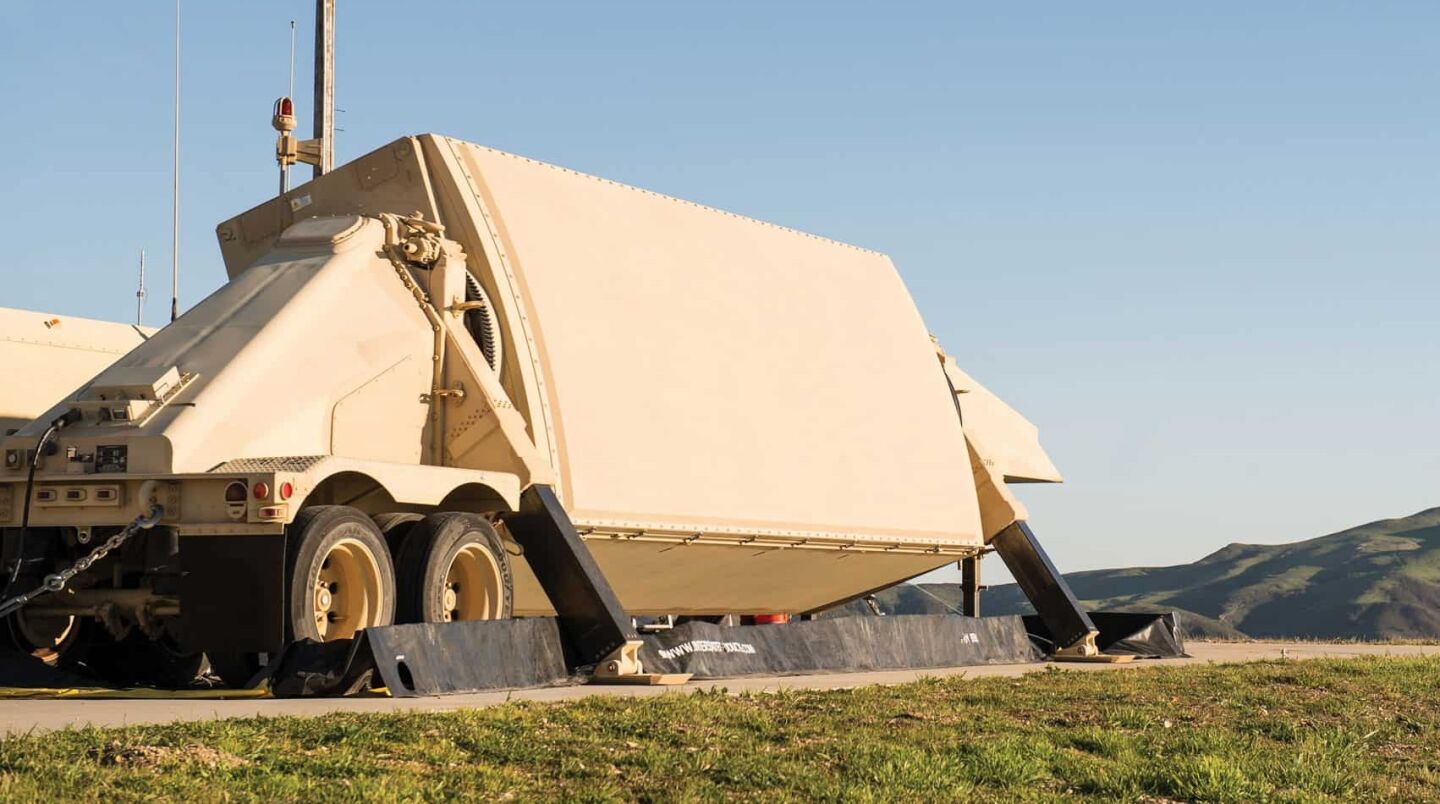
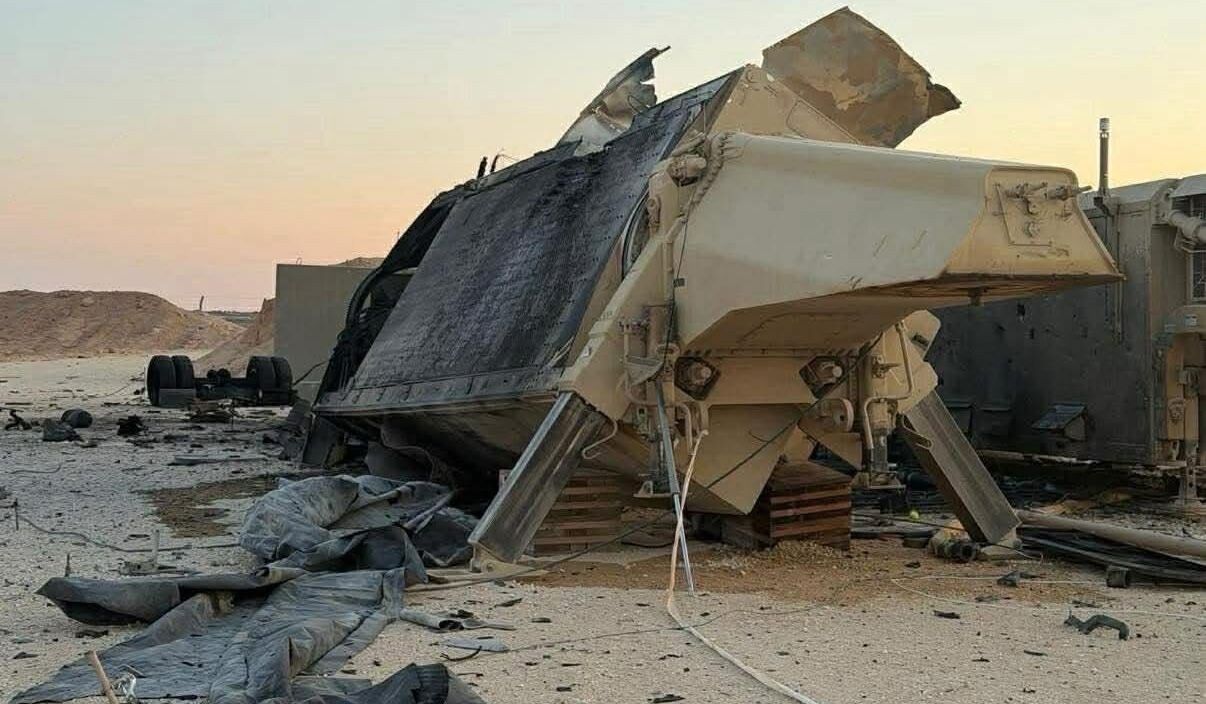
The Iranian Islamic Revolutionary Guard Corps destroyed over $3 billion worth of high value radar systems during the first week of engagements with U.S. forces in the first week of hostilities, including including lower value radars such as the AN/TPS-59 valued at around $70 million, as well as the AN/FPS-132 radar and two AN/TPY-2 X-band mobile radar system from the THAAD anti-ballistic missile system, each valued at over $1 billion. A mobile successor to the AN/TPY-2 is reportedly expected to be prioritised for development of a mobile successor, reflecting the importance of THAAD for U.S. missile defences.
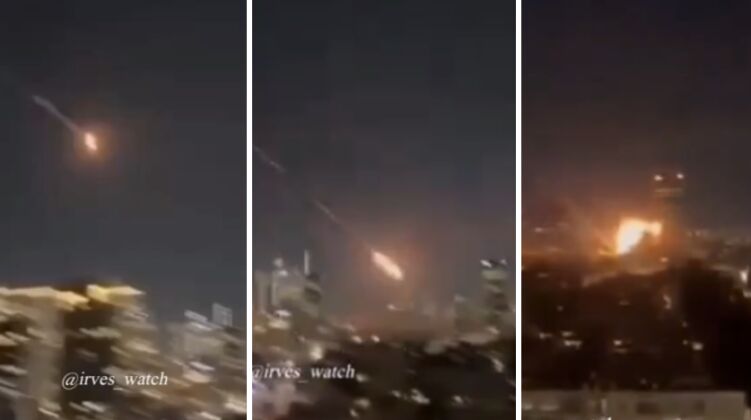
The destruction of air defence radars has forced U.S. and Israeli Forces to rely heavily on ship-based radars and on the AN/TPY-2 radar station in Turkey. In March the Israeli paper Haaretz confirmed that eight out of ten Iranian missiles launched against Israel were reaching their targets, following mounting reports and growing quantities of footage pointing to the failures of Israeli and U.S. ballistic missile defences, with the destruction of missile defence radars considered a major factor in this. Iran’s demonstrated ability to rapidly restore its missile bases have ensured a continued ability to retaliate against U.S. attacks, with the limitations of U.S. missile defences having been a leading factor limiting its ability to escalate the war effort.
The use of mobile air defence radars is one of multiple areas where U.S. air defence planning appears to have shifted due to combat experience to belatedly emulate capabilities pioneered by Soviet forces and systems. The U.S. Army in December announced that a new variant of the MIM-104 Patriot long range surface-to-air missile system will be able to engage targets that are not directly in front of its launchers, with the lack of such a capability having previously been a leading shortcoming of the system compared to its rivals developed abroad. This will require the development of both new launchers and new missiles, allowing threats behind a system to be fired on, including ballistic or cruise missiles which have already passed overhead.
