
U.S. Intel Warns Iran’s Missile Capabilities Continuing to Improve Despite Months of Air Strikes
Military Watch Magazine Editorial Staff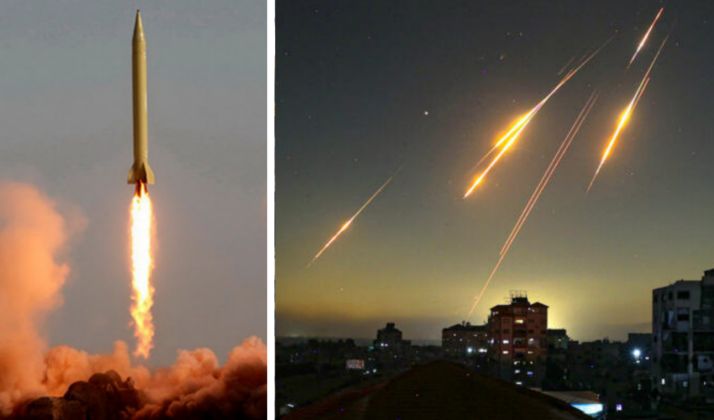
Shahab-3 Launch and Arrival of Iranian Missiles Over Israel
Senior U.S. intelligence officials have concluded that Iran’s ballistic missile program has continued to advance despite close to five months of intensive American and Israeli attacks, raising growing concerns in Washington regarding the long-term effectiveness of the military campaign. Intelligence assessments indicate that while production facilities and launch infrastructure have suffered damage, Iran has retained a substantial portion of its missile development capability and continues to improve both the performance and survivability of its arsenal. Alongside the destruction of critical civilian infrastructure and the elimination of the country’s political leadership, the destruction of Iran’s missile arsenals was a leading priority for U.S. forces during its attacks on the country.

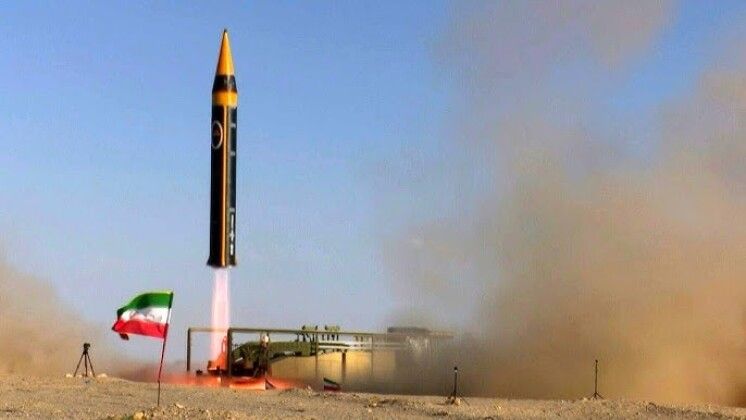
Particular concern has reportedly centred on improvements in missile accuracy, manoeuvrability and survivability. Newer generations of Iranian ballistic missiles and hypersonic glide vehicles have demonstrated increasingly sophisticated terminal manoeuvring capabilities intended to complicate interception by missile defence systems. The Israeli paper Haaretz near the end of March confirmedthat 8 out of 10 Iranian missiles launched against Israeli targets were reaching their targets, following mounting reports and growing quantities of footage pointing to the failures of Israeli and U.S. ballistic missile defences. Iran has also gradually transitioned to building. Missiles with solid-fuel propulsion, reducing launch preparation times while improving the mobility and survivability of transporter-erector-launchers.

Iran’s missile forces have also demonstrated an unexpectedly high operational tempo throughout the conflict. Despite repeated strikes on military infrastructure, Iranian forces have continued launching ballistic missiles, cruise missiles and long-range drones against U.S. military facilities and allied targets across the Middle East. The continued pace of operations has reinforced assessments that Iran entered the war with significantly larger missile inventories than many Western estimates had suggested.
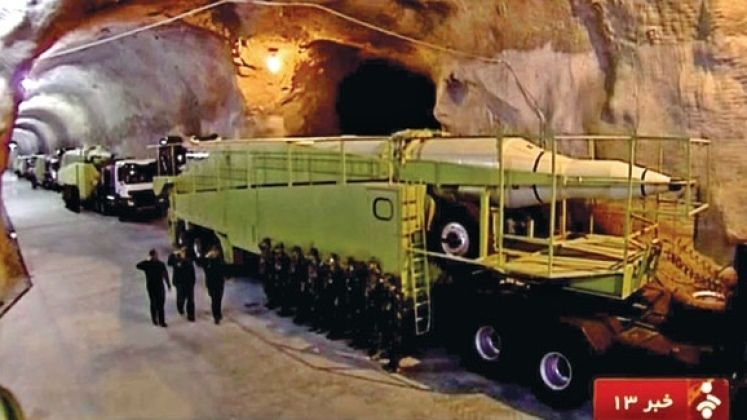
In May intelligence sources speaking to The New York Times confirmed that Iran had retained approximately 70 percent of its missile arsenal, and had successfully restored operational access to 30 out of 33 missile facilities along the Strait of Hormuz, or 91 percent, and approximately 90 percent of underground storage facilities and launch pads. Intelligence data at the time indicated that Washington has likely significant overestimated the extent of the damage caused to the Iranian missile arsenal by U.S.-led attacks that were launched from February 28, and underestimated Iran's ability to quickly restore its military facilities. The importance of destroying Iran’s missile arsenal and associated underground missile facilities grew rapidly during the initial weeks of hostilities, as not only were U.S. and allied arsenals of anti-ballistic missiles rapidly depleted, but the network of U.S. and allied air defence radars across the Middle East were also rapidly destroyed.
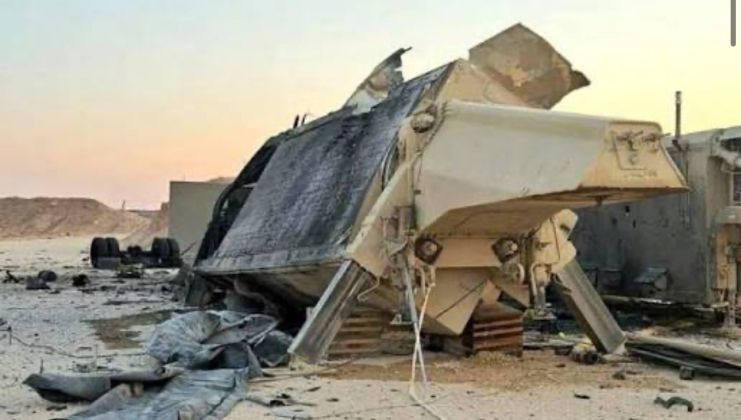
The latest reported assessment reflects a broader shift in Pentagon thinking regarding Iran’s missile forces. Prior to the outbreak of large-scale hostilities, Western analysts widely projected that sustained air campaigns against production sites, storage depots and launch facilities to significantly degrade Iran’s ability to conduct missile strikes. Instead, repeated attacks have highlighted the resilience of the country’s missile infrastructure, much of which has been dispersed across hardened underground facilities and concealed production networks developed over decades specifically to survive prolonged bombardment.
The resilience of Iran’s defence industrial base has been another major factor frustrating the U.S.-led war effort. Rather than relying on a small number of centralised factories, missile production appears to have been distributed across multiple locations, making it difficult for air campaigns to eliminate manufacturing capacity completely. Underground facilities, redundant production lines and large pre-war stockpiles have all contributed to preserving Iran’s ability to replace losses and continue expanding its arsenal despite sustained bombardment. Iranian forces have relied heavily on North Korean support in constructing extensive underground fortifications deep underground. These multi-storey missile bases are reportedly connected by rail hundreds of metres underground, allowing for the redeployment of forces and missile assets relatively safe from U.S. or allied attacks.
