
New Turkish Command Center Covering Idlib Cements Illegal Occupation of Northern Syria
Military Watch Magazine Editorial Staff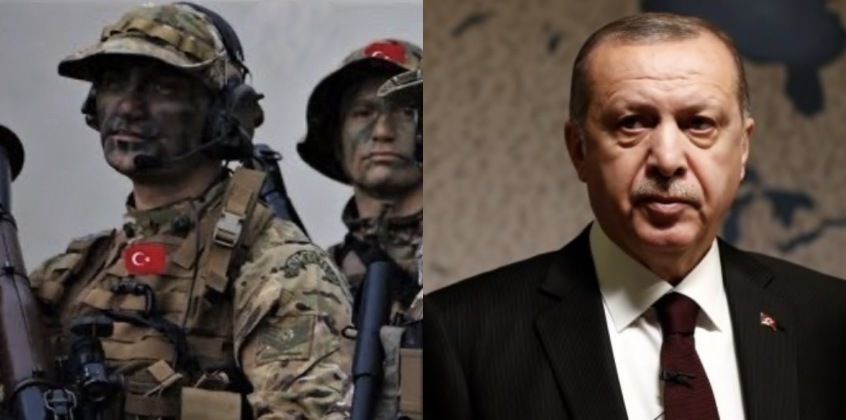
Turkish Soldiers (left) and President Erdogan
Following large scale clashes with the Syrian Arab Army in early 2020 in northern Syria, which saw Turkish forces directly intervene to prevent the recapture of northern province of Idlib by Syria’s armed forces, Turkey has created a unified command centre to oversee future military operations in the country. The Turkish military presence in Syria lacks authorisation from either the United Nations or the Syrian government, and is thus illegal. Turkish President Recep Tayyip Erdogan, who chaired a meeting of the Supreme Military Council on July 23rd where he gave orders to create the command centre, has pledged that the Turkish occupation of northern Syria will continue until the government in Damascus is removed from power. Ankara has been adamant that it will support the overthrow of the Syrian Ba’athist government, which has been targeted by Israel, the U.S. and a number of European states for attacks in recent years.
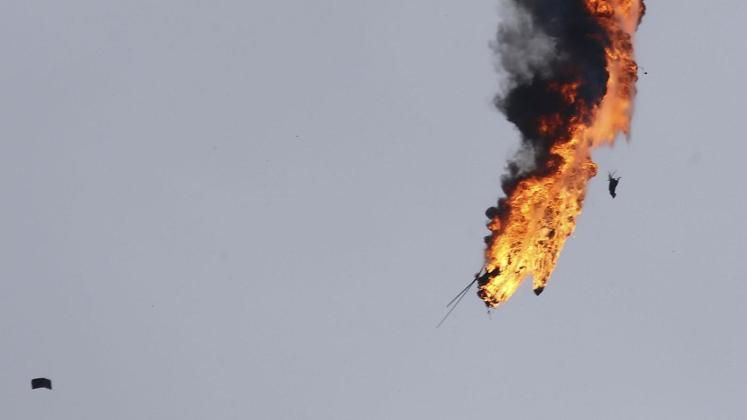
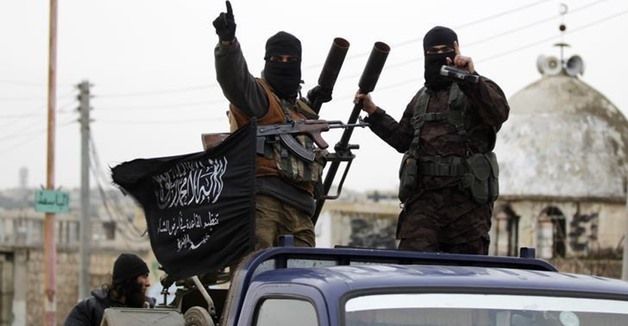
Idlib remains the only major stronghold of anti-government insurgents in Syria, and has been used as a staging ground to launch attacks both on Syrian population centres and on Russian and Syrian military bases deeper into the country’s territory. The province has been described by U.S. officials as the largest Al Qaeda stronghold in the world since 2001, with Al Qaeda affiliated militants receiving continued Turkish support and protection to prevent their arrest or expulsion from the country by the Syrian armed forces. Turkish military intervention in Syria, which has received support from the wider Western Bloc and tacit military support from neighbouring Israel, another longstanding Syrian adversary, has effectively crated a stalemate with has prevented Damascus from reunifying the country and expelling jihadist forces. The Syrian Air Force is currently not in a strong position to counter Turkish attacks due to a refocusing of resources away from air to air capabilities over the past ten years to counter the ongoing insurgency waged by jihadist elements.
With conflict in the remainder of the country having effectively ended, Syria has begun to rebuilt its Air Force and received a batch of Russian MiG-29SMT fighter jets in May, shortly after its clashes with Turkey in Idlib concluded. The MiG-29 is a heavier and overall more capable fighter than those in Turkish service, with the lightweight F-16C fighters which comprise the bulk of the Turkish fleet relying on effectively obsolete AIM-120B missiles from the 1990s for air to air missions. It remains to be seen how many modern MiG-29 units Syria intends to add to its inventory, whether it will look to acquire more capable fighters such as the MiG-35, and whether it will seek to further modernise older Cold War era aircraft in its inventory such as the MiG-29A or MiG-23MLD with newer missiles and electronic warfare systems to be able to mount a more effectively assault on insurgent positions in future. With Turkey moving to cement its military presence in Syria, it is unlikely that Ankara will agree to a peaceful withdrawal from the country at least for the foreseeable future.
