
Syria Finally Receives Modern Fighter Jets From Russia: MiG-29SMTs to Bolster Damascus
Military Watch Magazine Editorial Staff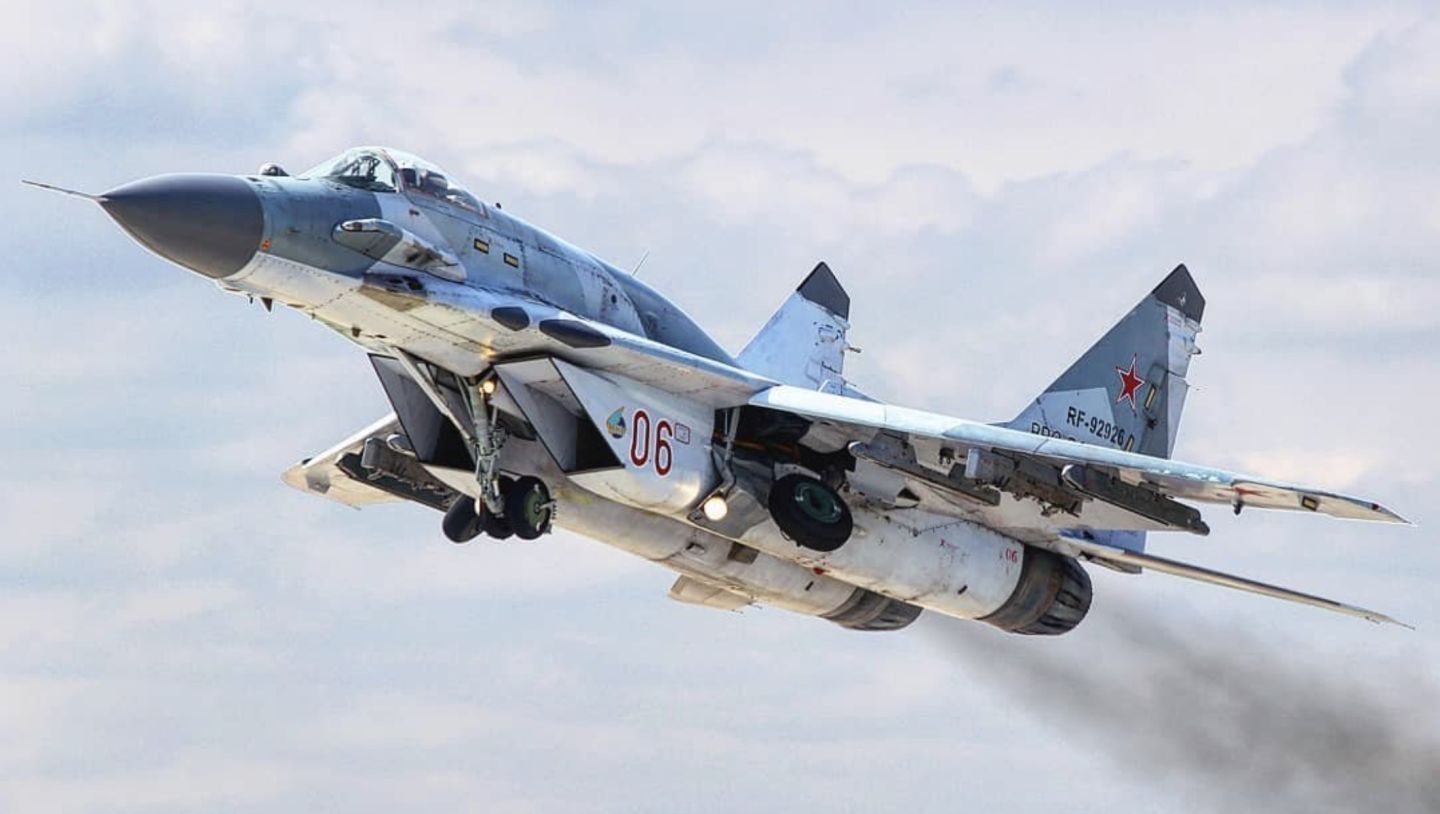
MiG-29SMT Medium Weight Multirole Fighter
Syrian state media has reported that the country’ armed forces received new MiG-29 fourth generation medium weight fighter jets on May 30th, with a delivery ceremony held at Russia’s Khmeimim Airbase in Latakia Province where the aircraft arrived. The report indicated that Syrian pilots would begin operating the aircraft immediately. Syria already operates two squadrons of older MiG-29A fighters, which were delivered by the Soviet Union in the late 1980s and have since seen some conservative attempts to modernise them. The older aircraft have been equipped with active radar guided R-77 air to air missiles, but due to their higher operational costs they have not been extensively used for air to ground missions during the country’s nine year long counterinsurgency efforts - with the Air Force favouring lighter MiG-21 jets which consume less fuel.
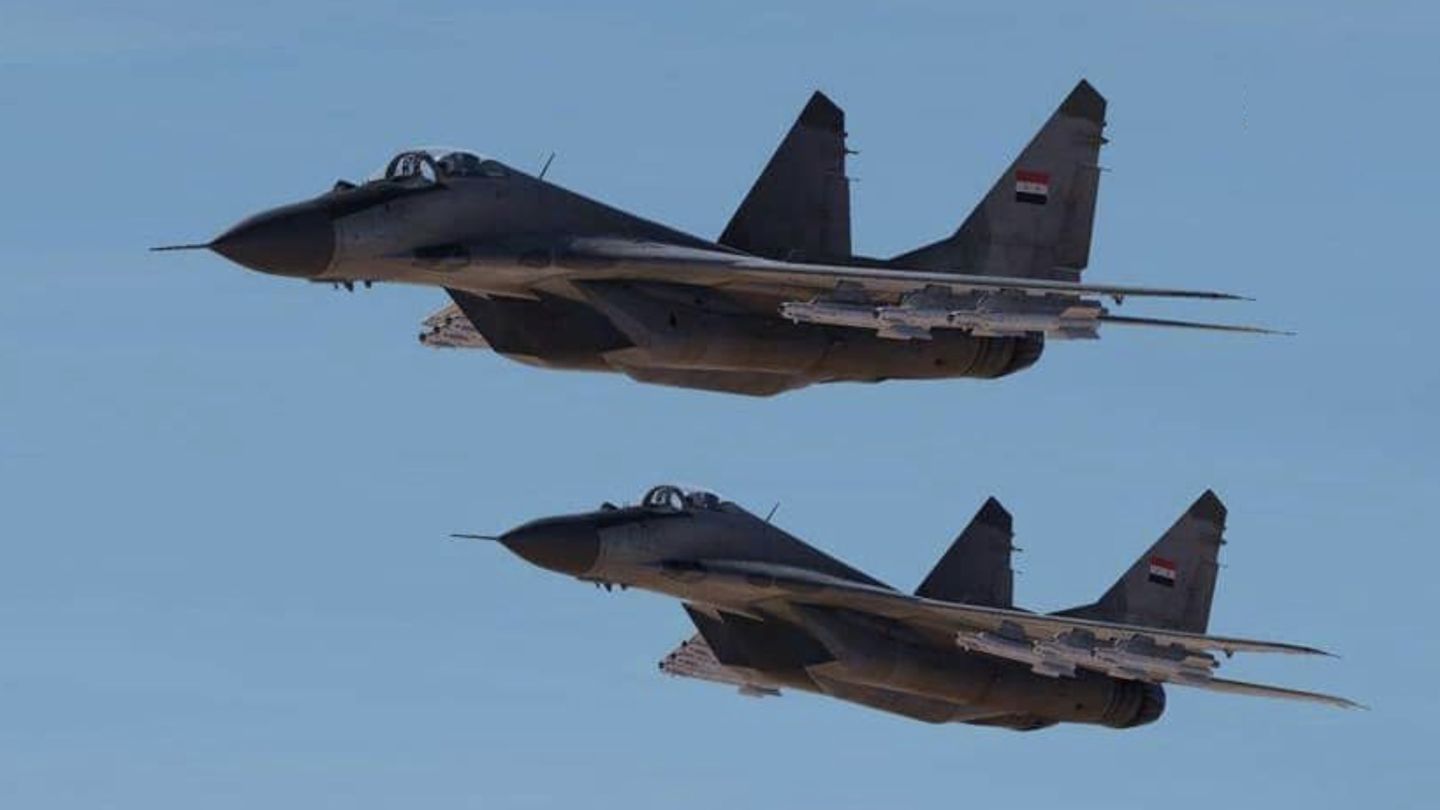
While it was not confirmed which variant of the MiG-29 Syria received, the models delivered are thought to be MiG-29SMT platforms. Syria previously placed an order for an estimated nine of these aircraft, although deliveries were delayed due to ongoing war in the country. In remains uncertain how the conflict may have altered Syrian fleet modernisation planes, and whether the MiG-29SMT could be acquired in larger numbers than previously planned. The new MiG-29 variant is far more capable than its Soviet era predecessors, with a versatile increased endurance due to a greater fuel capacity, compatibility with a range of modern munition types, an enhanced Zhuk-ME radar, more powerful RD-33 series 3 engines and a bigger weapons payload. The fighter is nevertheless at the lower end of the platforms currently on offer from Russia, with the new MiG-35 '4++ generation' fighter from the same weight range boasting far more advanced next generation capabilities. The majority of Russian fighters being marketed for export today, however, are elite heavyweight designs such as the Su-34 strike platform and Su-35 air superiority platform which are considerably more costly both to acquire and to operate than the MiG-29.
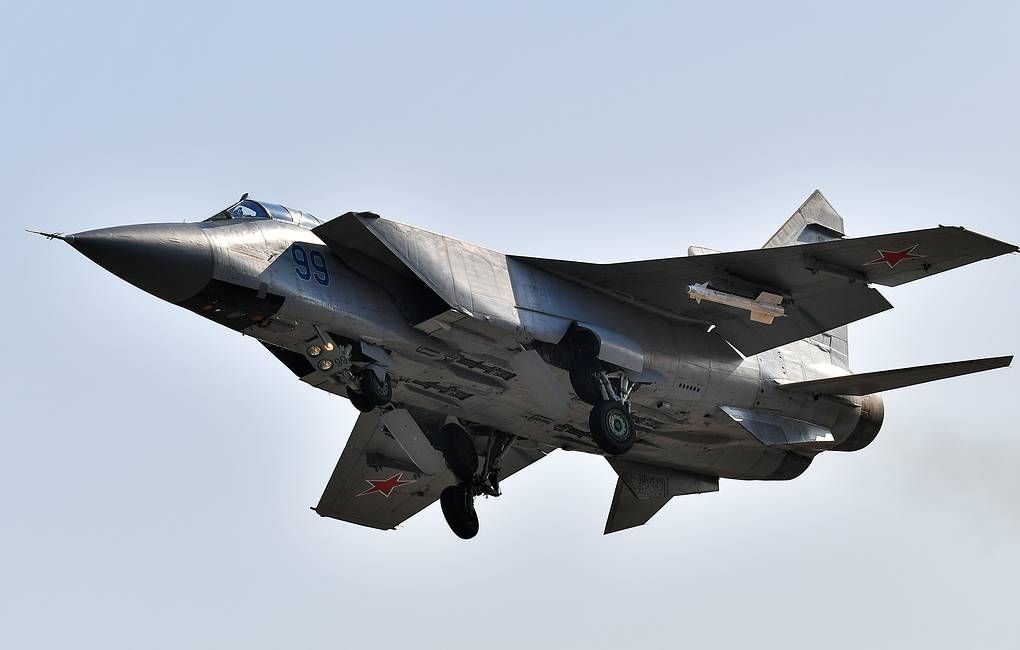
Comparing the MiG-29SMT to the aircraft deployed by neighbouring states, the fighter can overall outperform the F-16C and F-16I jets which make up the bulk of the neighbouring Turkish and Israeli fighter fleets. The MiG-29 is more manoeuvrable, flies higher, carries longer ranged missiles with heavier warheads and is faster than the American built single engine jets, and also benefits from infra red tracking systems which its potential adversaries lack. The fighter nevertheless remains far outmatched by Israel’s more elite F-15C and F-15I heavyweight jets. Syria reportedly previously tried to acquire heavyweight jets of its own, which could close the qualitative gap with the Israeli Air Force in a way the MiG-29 could not, but efforts to purchase elite MiG-31 Foxhound interceptors notably failed duet to Israeli pressure on Russia. What further purchases for the Air Force may follow the MiG-29SMT remain to be seen, with Yak-130 fighter-trainers, more MiG-29s, and newer MiG-35s all being likely options.
