
MiG-31 Foxhounds Over Damascus: How Syria's Game Changing Air Force Modernisation Plan Would Have Shaken Turkey and Israel
Military Watch Magazine Editorial Staff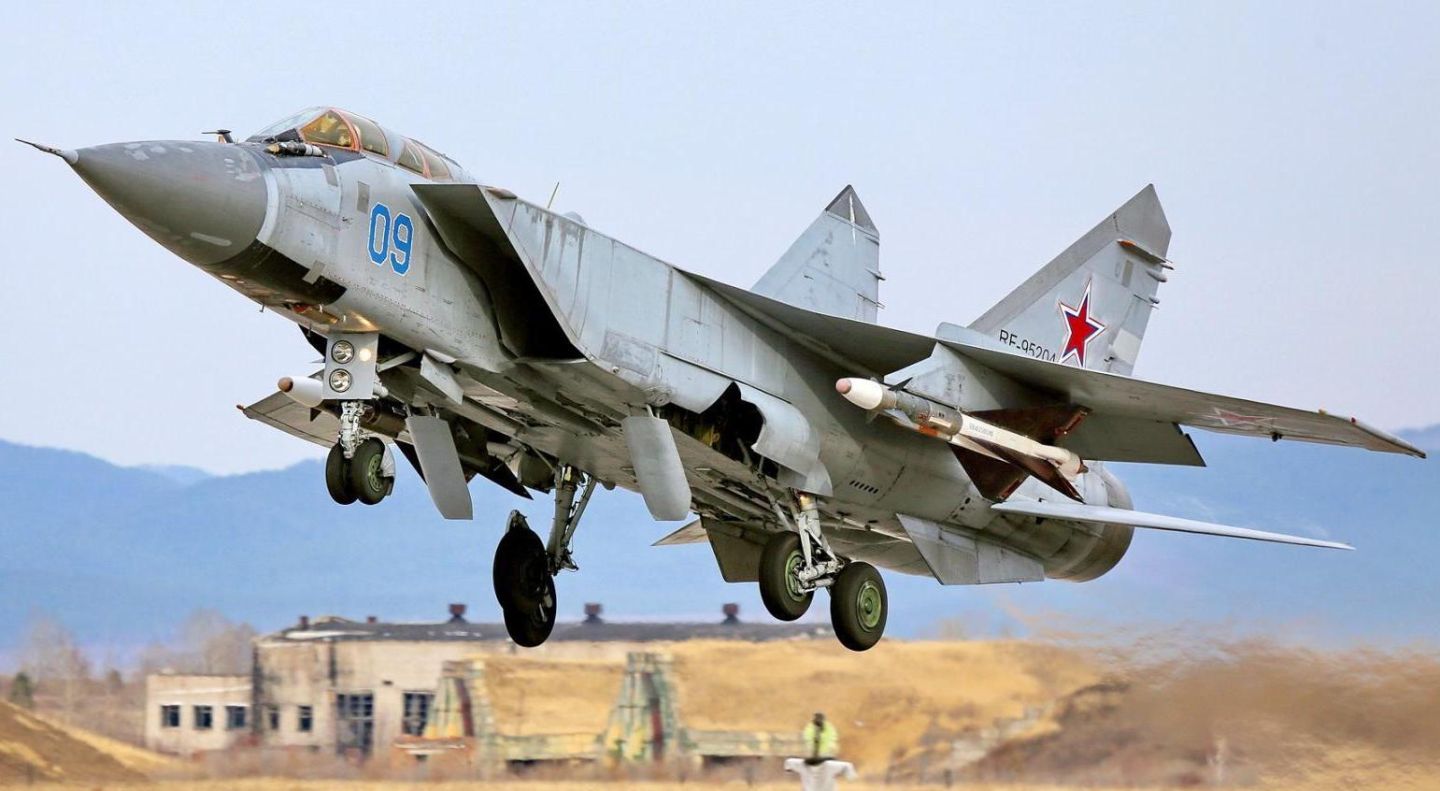
MiG-31 Foxhound Heavyweight Interceptor
During the Cold War Syria received considerable military aid including a range of high end weapons systems from the Soviet Union, and while the quantities of these were considerable in the 1970s they only grew in the following decade as the country emerged as Moscow’s leading political and military partner in the region. Most significantly, after an overwhelming defeat at the hands of the Israeli Air Force in 1982, Syria’s Air Force received higher end third generation combat jets - including new variants of the MiG-23 Flogger and a small contingent of MiG-25 Foxbats. These were complemented by S-200 long range air defence systems. Syria was the first export client for the S-200 and MiG-23 and the second in the world for the MiG-25, and was prioritised for delivery of high end systems due to the potency of Israeli’s new American delivered F-15 and F-16 fighters.
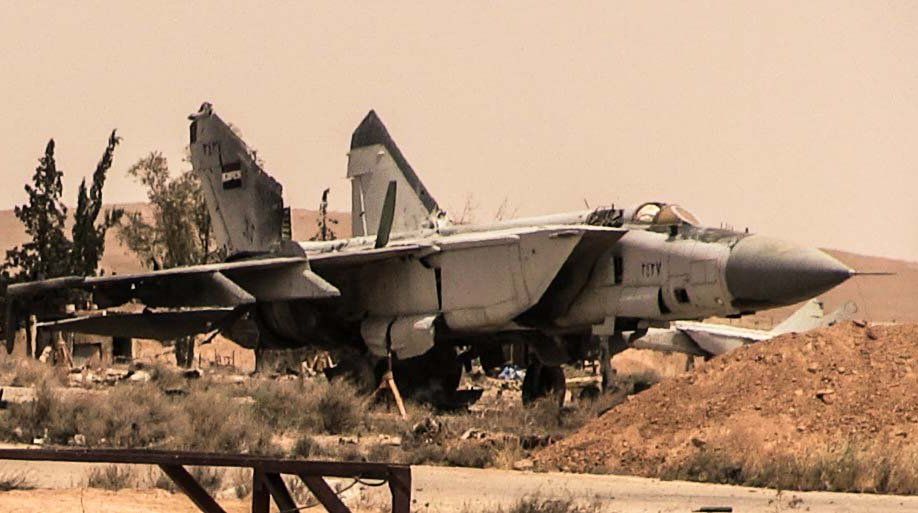
Following the Cold War’s end and Soviet collapse Syria could no longer afford to modernise its Air Force’s inventory, with upgrades to the MiG-23 and MiG-21BiS jets which made up the bulk of its air fleet remaining extremely conservative. Other than the acquisition of R-77 active radar guided missiles for its small MiG-29 units, medium weight jets which made up the elite of its fleet, its Air Force saw little major improvements - with these missile purchases themselves widely speculated to have been financed by Iran. Syria thus faced a considerable qualitative and quantitative disparity with Israel, which continued to receive generous American aid and could afford to equip its frontline units with modern active radar guided AIM-120 missiles. Israel also benefitted from fielding the heavyweight F-15C and F-15I Eagle air superiority fighter which could comfortably outperform Syria’s MiG-29A.
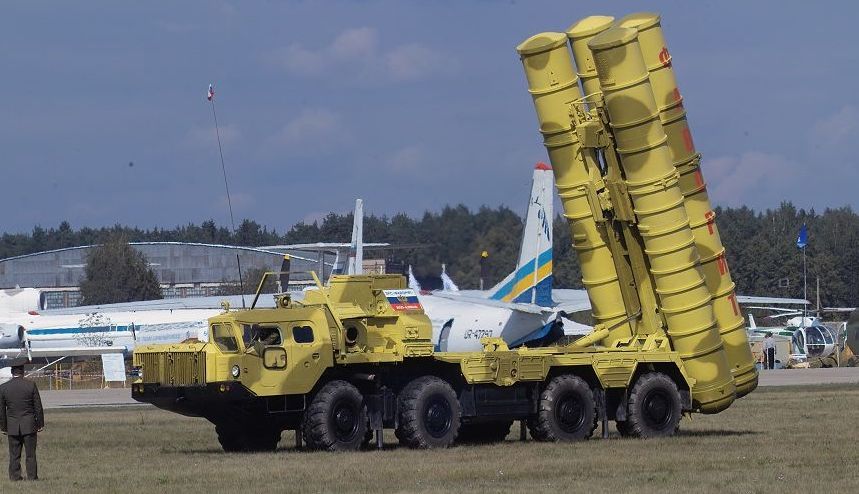
To restore some semblance of a balance of power in the air, Syria reportedly sought to purchase a small contingent of elite heavyweight Russian combat jets which could even the odds in a potential future war and deter Israeli incursions into its airspace. These jets needed to be able to outperform the Israeli F-15 at range, and to pose a threat even when deployed in small numbers. Thus, alongside moves to acquire S-300PMU-2 long range surface two air missile systems and complementary shorter ranged BuK-M2 and Pantsir-S systems, Syria is reported to have placed an order for eight MiG-31 Foxhound interceptors from Russia.
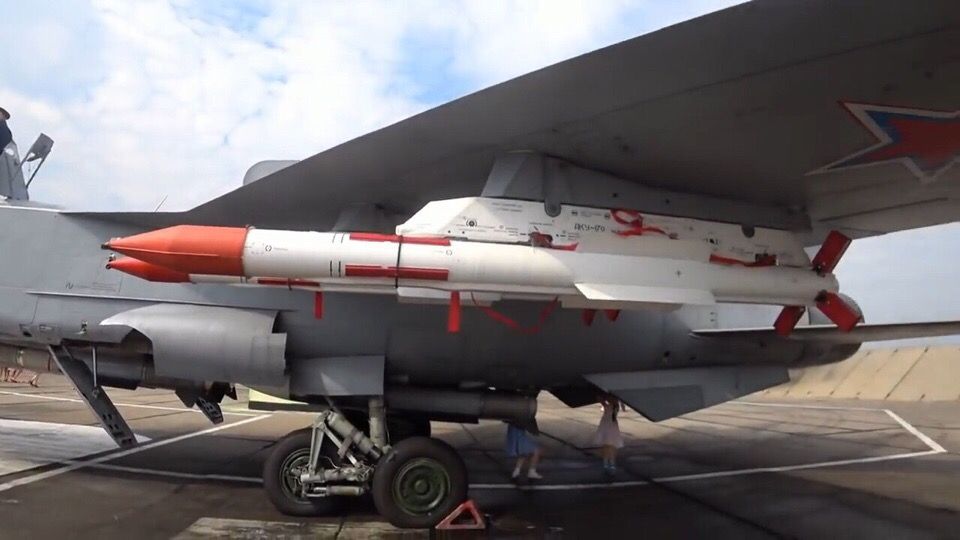
The MiG-31 was at the time, and remains today, the heaviest aircraft in service designed for air to air combat. The Foxhound is prized for its massive Zaslon active electronically scanned array radar, which at well over 1000kg is ten times the size of those integrated on many smaller fighters and almost three times the size of that on the F-15. Modernised variants of the radar were several times more powerful than that on the F-15 Eagle or even the newer F-22 Raptor. The MiG-31BS, the most modern variant at the time, was Russia’s most capable jet in air to air combat, and equipped with new R-37 air to air missiles it had approximately four times the range of the American AIM-120C missiles recently delivered to Israel. The R-37 was also considerably faster at Mach 6, and carried a payload approximately three times as large at 60kg making it extremely difficult to evade. While the MiG-31 contingent Syria was planning to purchase was small, it would have been a major game changer for the balance of power in the air providing unrivalled situational awareness and the ability to strike Israeli aircraft from extreme ranges well beyond the range at which they could retaliate. Combined with new air defence systems, and investment in upgrades to older S-200 systems, the Foxhound provided the potential to revolutionise Syrian aerial warfare capabilities at a modest cost.
While the MiG-31 was not in production and had not been marketed for export, Syria was reportedly able to sign a contract for the acquisition of refurbished aircraft from Russia’s reserve fleet - which is thought to number well over 100 Foxhounds which it could not afford to operate after the Soviet collapse. The possibility of a MiG-31 sale to Syria was cause for serious concern both in Israel and in the West, leading to considerable pressure on Moscow to cancel the deal. Israeli media reported in 2009 that the Foxhound deal was terminated by Russia due to Israeli pressure on Moscow. A representative of Russia’s Mikoyan aircraft corporation broke the silence surrounding the deal on May 20th that year, denying that there had ever been an agreement to supply Syria with Foxhound interceptors.
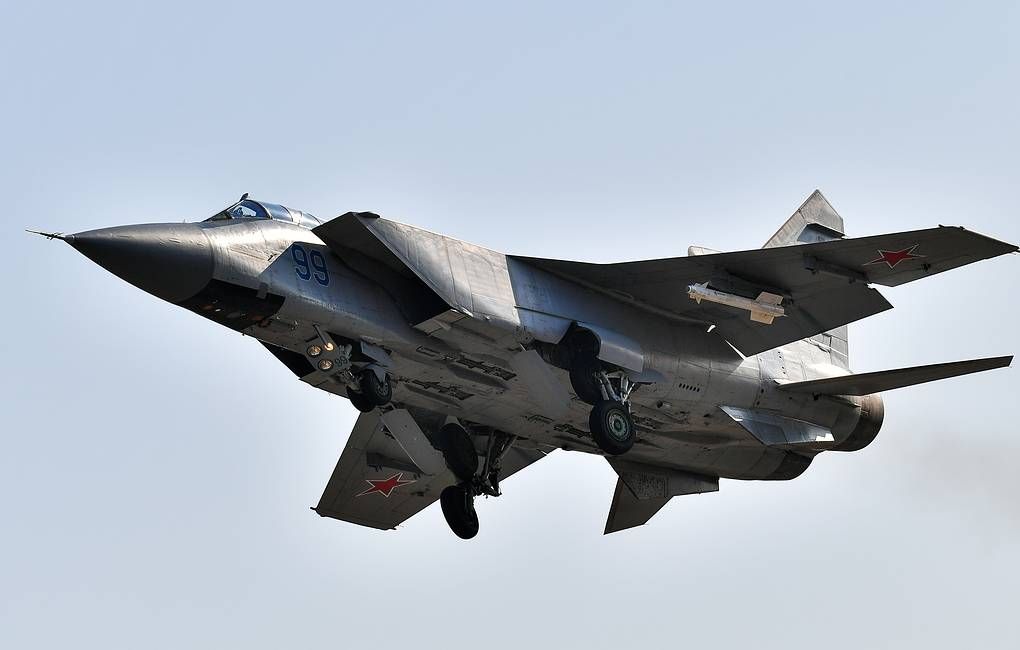
While the existence of a MiG-31 deal was denied, Russian officials would later confirm that Syria had sought to purchase the S-300PMU2 - a deal also terminated due to Western and Israeli pressure on Moscow. With the outbreak of war in the country in 2011, the primary role of the Syrian Air Force has been carrying out air to ground strikes for which cheap low maintenance aircraft such as the MiG-21 and Su-22 have been favoured. The Foxhound would have potentially provided a valuable deterrent to enemy air attacks, with the aircraft also optimised for intercepting cruise missiles such as those launched by the U.S., France and Israel among others against Syrian targets. The Foxhound’s excellent situational awareness could have been a major contributor to the Syrian War effort, while its deployment against jets violating Syrian airspace such as those from Israel and Turkey would have provided a 264% greater engagement range increase over Syrian MiG-29s and a much higher probability of kill.
Testing of the Foxhound’s sensors against a range of targets, including U.S. and Israeli F-22 and F-35 stealth fighters deployed to the region, could have provided valuable data - based on which Russia could further modernise the design. The advanced data links connecting the aircraft to one another could also have been tested under combat circumstances, and with Russia fielding over 100 Foxhounds in frontline service the value of this information would have been extremely valuable. As it is, the Syrian Air Force is unlikely to receive heavyweight Russian combat jets for the foreseeable future, and will be forced to continue to rely on its Cold War era fighter inventory and overwhelmingly on its air defences to provide some limited protection for its airspace. Even the possibility of acquiring newer classes of medium fighter such as the MiG-29SMT or MiG-35 remains highly uncertain.
