
35 Years Since Operation Mole Cricket; Lessons From One of the Most Critical Battles of the Cold War
Military Watch Magazine Editorial Staff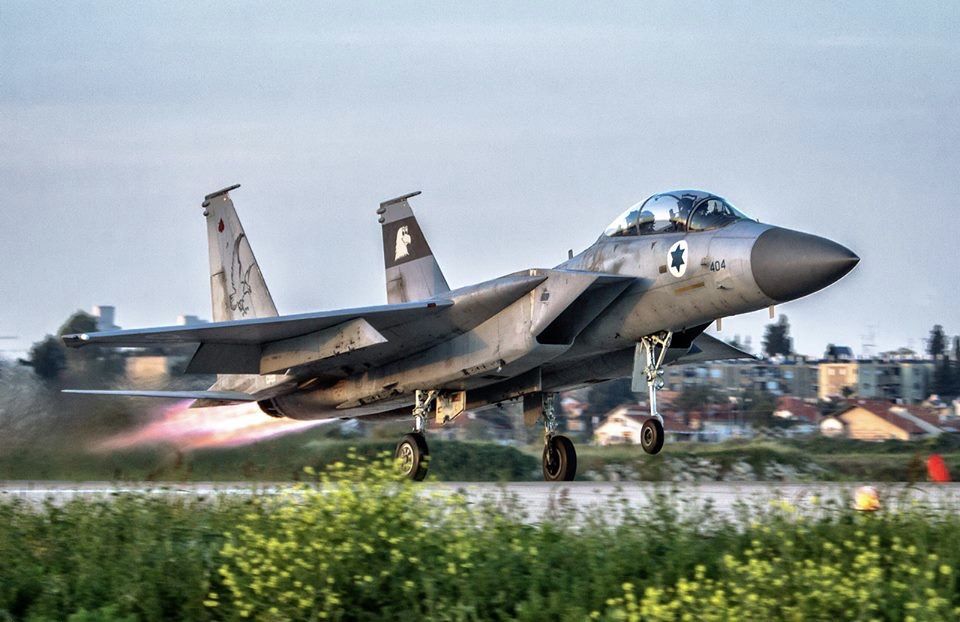
Israeli Air Force F-15 Eagle
The 9th of June this year marks the 35th anniversary of one of the most important, albeit lesser known, battles of the Cold War, in which 1982 Israeli General Ariel Sharon launched Operation Mole Cricket 19 against the Syrian armed forces to disable its surface to air missile network and cripple its air force. In doing so Israel sought to prevent Syria from intervening to deny the Israeli Air Force access to Syrian and Lebanese airspace for the remainder of the Lebanon War, in which General Sharon also played a leading role. Having failed to decisively counter Soviet air defence systems or second generation fighter jets during the Vietnam War, and with Israel's Air Force having similar difficulties against an Arab coalition during the Yom Kippur War, the United States Air Force had commissioned a next generation air superiority fighter for its Air Force to guarantee an edge in future battles. This was the F-15 Eagle, which first entered service in 1976. Israel was the Eagle's first export client, and used the fighter to great effect against the Soviet equipped Syrian forces.
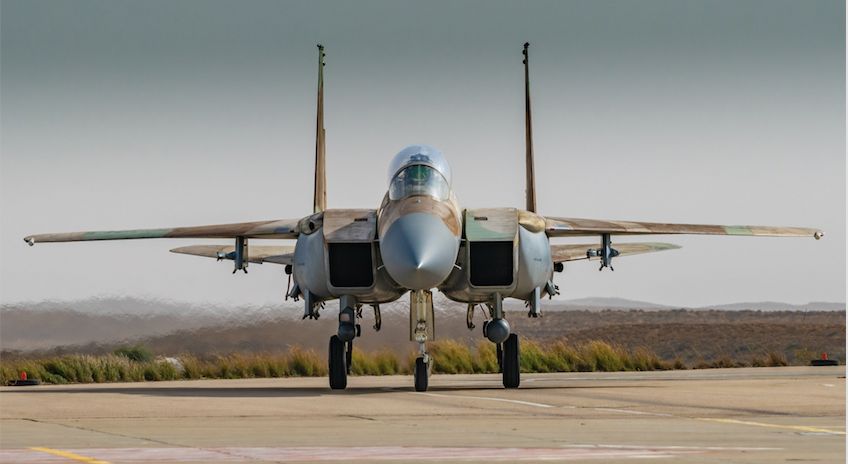
Syrian air defences were primarily comprised of S-75 high altitude surface to air missile systems complemented by lower altitude S-125 and 2K12 KuB platforms - all platforms which had been relied on heavily the previous decade in the Yom Kippur War. Enhanced MiG-21 fighters with third generation capabilities and an elite of newly inducted MiG-23 swept wing fighters were expected to fly sorties in a complementary role to the missile network, which were tasked with denying the Israeli Air Force access to Syrian territory to provide cover for a buildup of ground assets. Syria's strategy and equipment were highly similar to the Yom Kippur War, but these systems were heavily comprised by the defection of formerly allied Egypt under President Anwar Sadat to the Western Bloc following the war's conclusion which saw the country transfer the MiG-23, MiG-21, 2K12 and other sensitive technologies to American hands. With the U.S. having access to this hardware, which could be shared with allies from South Korea and Iran to Israel and West Germany, tactics could be honed and electronic warfare systems developed to counter these Soviet built defences. This combined with the far superior performance of its new fighters, the capabilities of which were unknown to both the Syrians and the Soviets, allowed Israel to win an overwhelming victory over Syrian forces.
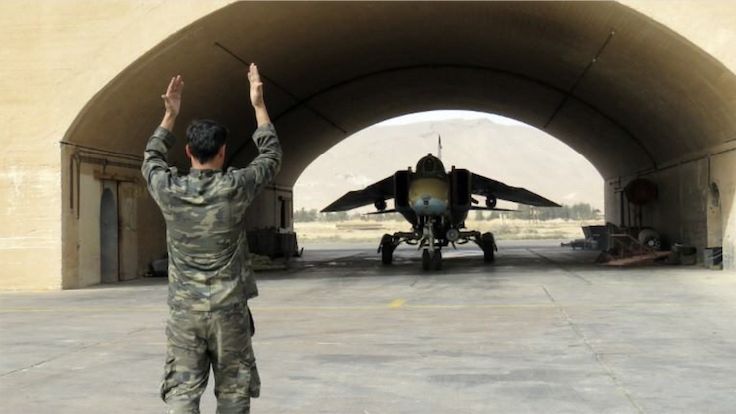
As a result of the Israeli advantage an successful attack spearheaded by the F-15 Eagles, Syria lost an estimated 29 of its fighters and 17 air defence batteries including a full battalion of the 2K12. Israel faced minimal losses - with two F-15s reportedly damaged and unknown number of supporting UAVs downed. The repercussions of this successful Israeli operation were widespread, not only regionally but globally in the context of the Cold War. The United States now had evidence that, after underperformance in the air against the North Vietnamese and supporting North Korean aerial warfare assets, they could now better congest air superiority and overcome second and even third generation Soviet systems. For the Soviet military the potential of the F-15 and the vulnerability of their own weapons systems led to the development of next new electronic warfare countermeasures for its air defence platforms and acceleration of its Su-27 and MiG-29 next generation fighter programs.
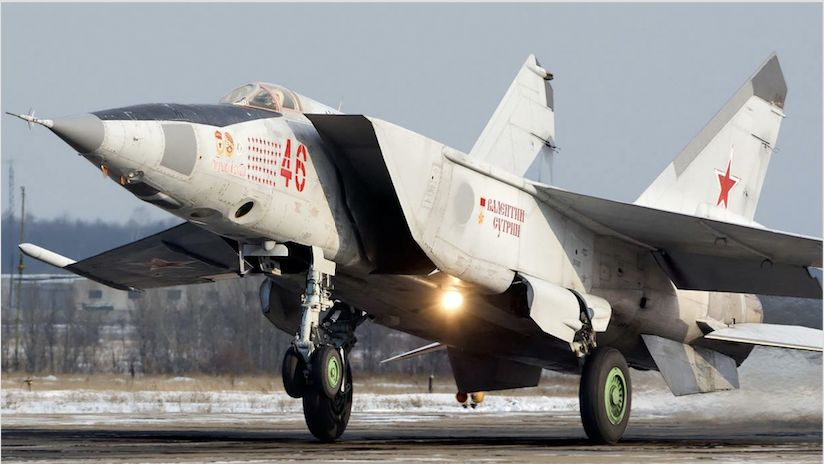
While Western analysts have long cited the battle's outcome as evidence for the superiority of American aircraft and armaments over their Soviet counterparts, this claim remains uncertain based on the circumstances under which Operation Mole Cricket was conducted. While Israel won an overwhelming victory, they did so with comprehensive intelligence on all the major aircraft and air defence systems operated by the Syrians - samples of which were at that time in the United States courtesy of the Egyptian presidency. Furthermore, the Israeli Air Force had been provided with the most advanced fourth generation aircraft to face far older Soviet weapons systems operated by the Syrian military. Had Syria's armed forces been operating MiG-31 Foxhound fourth generation interceptors, an advanced Soviet jet which entered service a year prior and was considered more than a match for the Eagle, or had they had access to air defence systems which were not previously compromised by the Egyptians such as the S-200 or S-300P, the outcome of the conflict would almost certainly have been different. Syria did subsequently receive Soviet S-200 systems and a small number of MiG-25 Foxbat interceptors, which though older that the F-15 fielded advanced capabilities which could pose a far more serious challenge to the Eagles. Despite the small numbers in service, Foxbats were responsible for a disproportionately high number of Israeli losses in the coming years - deploying R-40 air to air missiles with great effect. The S-200 proved highly effective against U.S. made fighters in later engagements, shooting down three U.S. fighters operating as part of an American carrier strike group and forcing American AWACS and heavier fighters to give Syrian controlled areas of Lebanon a wide berth.
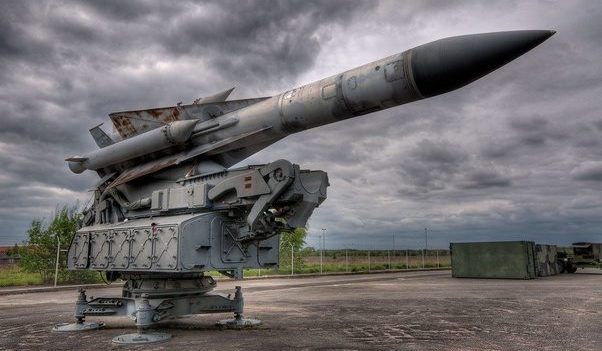
35 years later Israeli incursions into Syrian airspace remain frequent, and with the collapse of the Soviet Union in 1991 Damascus lost access to more advanced Soviet weapons systems and any hope of qualitative parity with the Israeli Air Force. Russia previously denied a Syrian request to purchase MiG-31 Foxhound interceptors and S-300PMU-2 air defence systems, the former in particularly which could pose a major threat to Israeli assets over Syrian airspace even in small numbers. The loss of Soviet aid forced a contraction in the Syrian fleet size, with no major upgrades or modernisations for its most capable combat jet the MiG-25 and no expected acquisitions of more modern and capable platforms such as the Su-30. While Syria may eventually obtain more advanced surface to air missile systems from Russia, possibly an S-300 variant such as the PMU-2 which dates back to the 1990s, without a viable Air Force to support its ground based missile network the country's ability to counter Israeli attacks will remain highly limited. The F-15 for its part remains unmatched in the Middle East as the most capable fighter jet, with the exception of its heavier counterpart the F-14 in Iranian service, and is currently deployed by Israel and Saudi Arabia in large numbers in both air superiority and strike variants.
