
Lockheed Martin’s Future Plans For F-16 Exports - Sales to Ethiopia in the Cards?
Military Watch Magazine Editorial Staff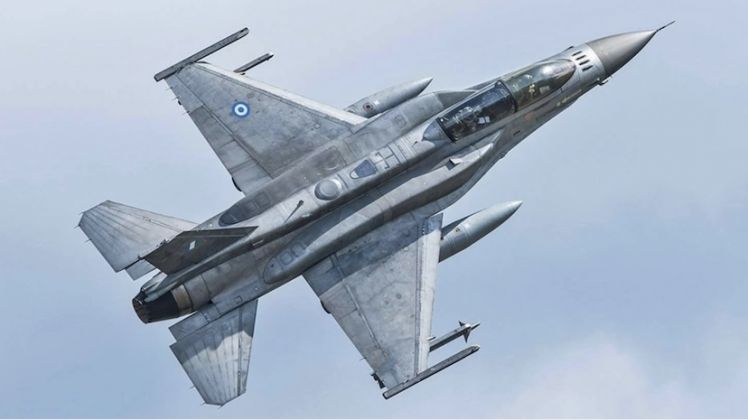
F-16 Single Engine Lightweight Fighter
America’s leading arms manufacturer Lockheed Martin has announced plans for an important change to its sales of the country’s cheapest and lightest fighter class the F-16 Fighting Falcon - which is currently in production in upgraded form as the F-16V Viper. The F-16 is a lightweight single engine fourth generation jet which first entered service in the U.S. Air Force in 1978, and has since been exported to over a dozen countries with over 4,500 aircraft produced. The fighter was designed as a cheaper counterpart to the Air Force's F-15 Eagle high end heavyweight jets, and is currently the only fighter in production in the U.S. with no orders from the U.S. Military - meaning it is being manufactured exclusively for export. Lockheed Martin’s new effort to boost sales involves ‘commoditisation’ of the F-16 program to offer a single aircraft type at a standard price - reducing complications for potential clients and making pricing “as transparent as possible.”
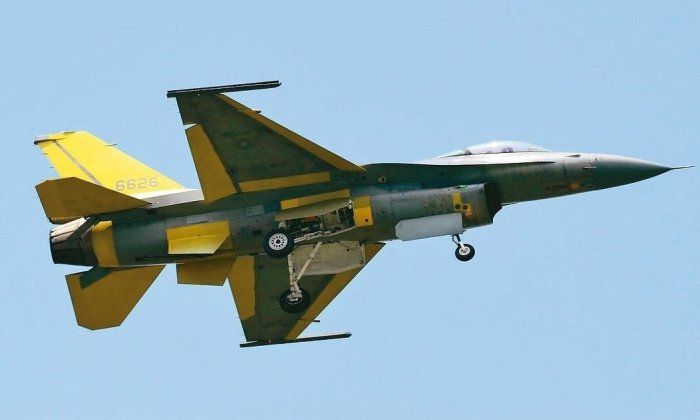
The new standardised F-16 will have a default set of avionics, sensors and mission systems, and is expected to be marketed primarily to clients in the third world. Taiwan is currently by far the largest client for the F-16V with 66 ordered under a controversial $8.8 billion contract - although its decision to acquire the jets was made after the territory was denied permission to purchase newer and more capable F-35 fighters. Competition from the F-35 is particular, and the growing number of analysts and officials across the world describing the F-16 as near obsolete due to its age, are expected to undermine prospects for future exports. Potential future clients for the F-16V include more conservative defence spenders such as Morocco, Indonesia, Croatia and Bulgaria. Lockheed Martin’s Vice President for Business Development J. R. McDonald also referred to the F-16V as being marketed as a potential replacement for the Soviet MiG-23 swept wing fighter in a possible export client’s inventory - narrowing down which countries could acquire the jets. With Angola, Cuba, North Korea and Syria all highly unlikely to purchase American aircraft, this indicates Ethiopia and possibly Libya are seen as potential clients for the F-16V as the only other two major MiG-23 operators. Although Libya is currently in a state of civil war, Ethiopia could be a potential client and is expected to seek to modernise its combat fleet over the coming decade. The threat of Western sanctions should it acquire fighter jets from Russia, and Addis Ababa's close ties to the Western Bloc, could lead it to acquire the F-16V to replace its ageing MiG-23 jets.
