
Fearing U.S. Sanctions Over Su-35 Purchase: What is Behind Indonesia’s Interest in New F-16 Fighters
Military Watch Magazine Editorial Staff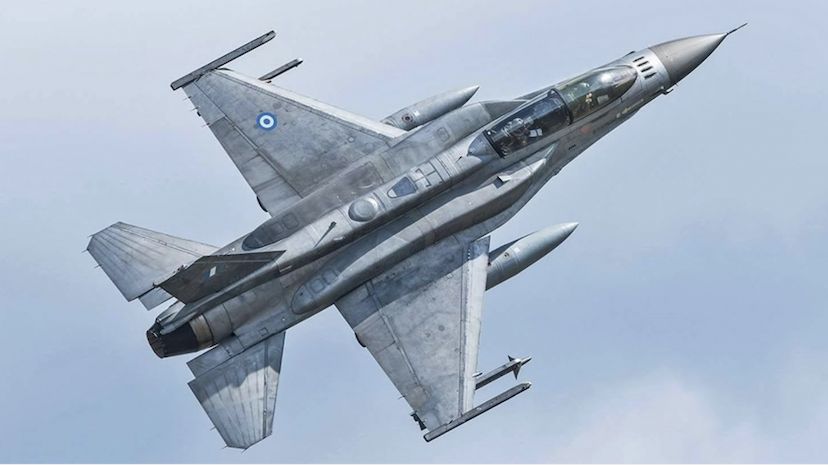
F-16D Fighting Falcon Single Engine Fighter
The Indonesian Air Force is reportedly interested in a large scale acquisition of F-16 Block 72 single engine fourth generation fighters from the United States, with the of purchase two full squadrons planned. Air Force Chief of Staff Marshal Yuyu Sutisna stated regarding the potential purchase in the final week of October: “Insya Allah (God Willing) we will buy two squadrons in the next strategic plan of 2020-2024. We will purchase the newest type of Block 72 Viper… Many countries are using this jet fighter, which proves its reliability.” It remains unclear whether these will be acquired as part of a fleet expansion program, or to replace existing F-16 squadrons many of which are fast ageing. The Indonesian Air Force currently fields six fighter squadrons and a further two squadrons of British Hawk attack jets. These include two squadrons of F-16 Fighting Falcons of the older A and C variants and a single squadron of F-5E Tiger II third generation fighters. Many of these F-16s were acquired second hand from the U.S. Air National Guard, and upgrades to older platforms remain limited.
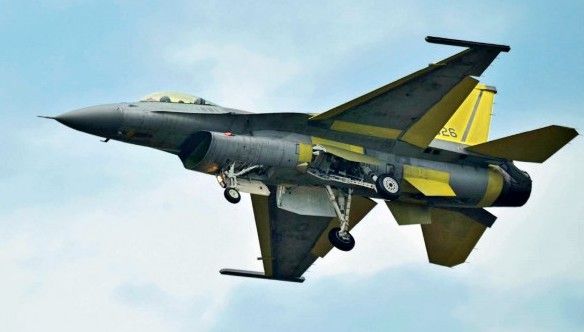
It is notable that Indonesia’s announcement of interest in the F-16 comes following repeated threats by the United States to impose economic sanctions on the country over its purchase of Russian Su-35 air superiority fighters, with the U.S. threatening clients for Russian hardware across the world with similar measures. One way of avoiding sanctions previous alluded to by American officials was the purchase of more American hardware, with purchase of F-16IN fighters and Patriot missile batteries previously raised as a potential means for India and Turkey respectively to avoid sanctions over their purchases of Russian S-400 missile systems. While the F-16 on its performance specifications alone may not be ideal for the Indonesian Air Force's modernisation plans, its value as a means of effectively paying off the American defence sector to avoid sanctions could overshadow such concerns.
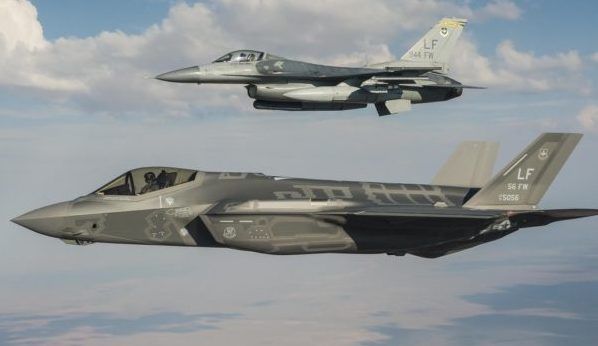
The F-16 has been in service for over 40 years since 1978, and newly purchased batches would be expected to serve into the 2060s by which time the design would be over 80 years old. Many leading operators of the F-16 such as Israel and Singapore are beginning to phase the platform out of service, with Singapore’s Defence Minister in 2018 declaring that the design was nearing obsolescence which necessitated acquisition of a new and more capable fighter most likely the F-35. With neighbouring Singapore and Australia set to both field the F-35 in significant numbers, acquisitions of further F-16 fighters to form the backbone of the country's fleet would leave Indonesia's Air Force overwhelmingly outmatched. Previous moves by the United States to block supplies of spare parts to service American made jets in the Indonesian Air Force further demonstrates the dangers of acquiring such fighters, potentially denying the country a large portion of its fighting capacity should its interests conflict with those of a U.S. ally.
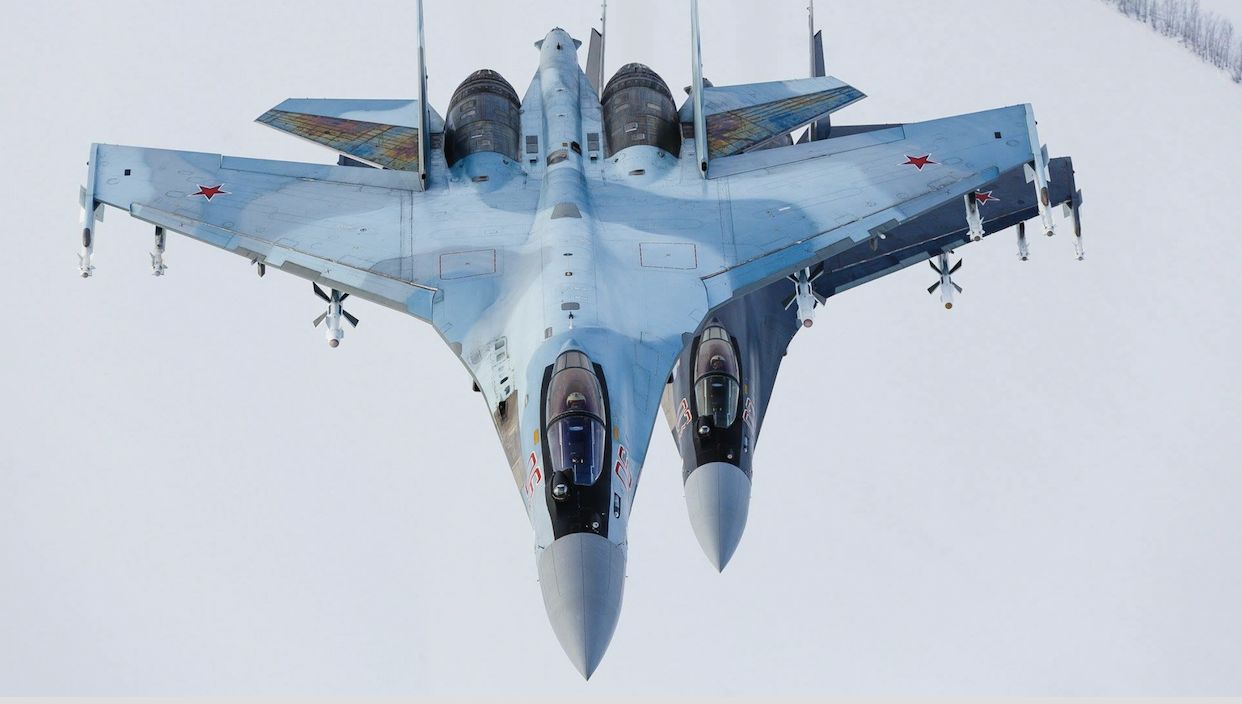
With Russia having demonstrated the capabilities of its new Su-35 fighters to Turkey, and offering the yet more capable Su-57 for export, the performance of the older F-16 of which Turkey is currently the largest overseas operator appeared far inferior. The F-16 is not only a considerably lighter and less sophisticated design relative to the Su-35, but also costs approximately 50% more per unit to acquire leading to widespread speculation that it has been acquired for political rather than practical purposes by prior clients such as Taiwan and Slovakia. The possibility has been raised that Indonesia could place a followup order for the Su-35 after the first batch of 11 fighters is delivered, which alongside its investment in the KF-X fifth generation fighter program with South Korea leaves little room or need for further F-16 purchases.
