Largest Ever Stealth Fighter Production Framework Reached to Supply Over 850 New F-35s
Military Watch Magazine Editorial Staff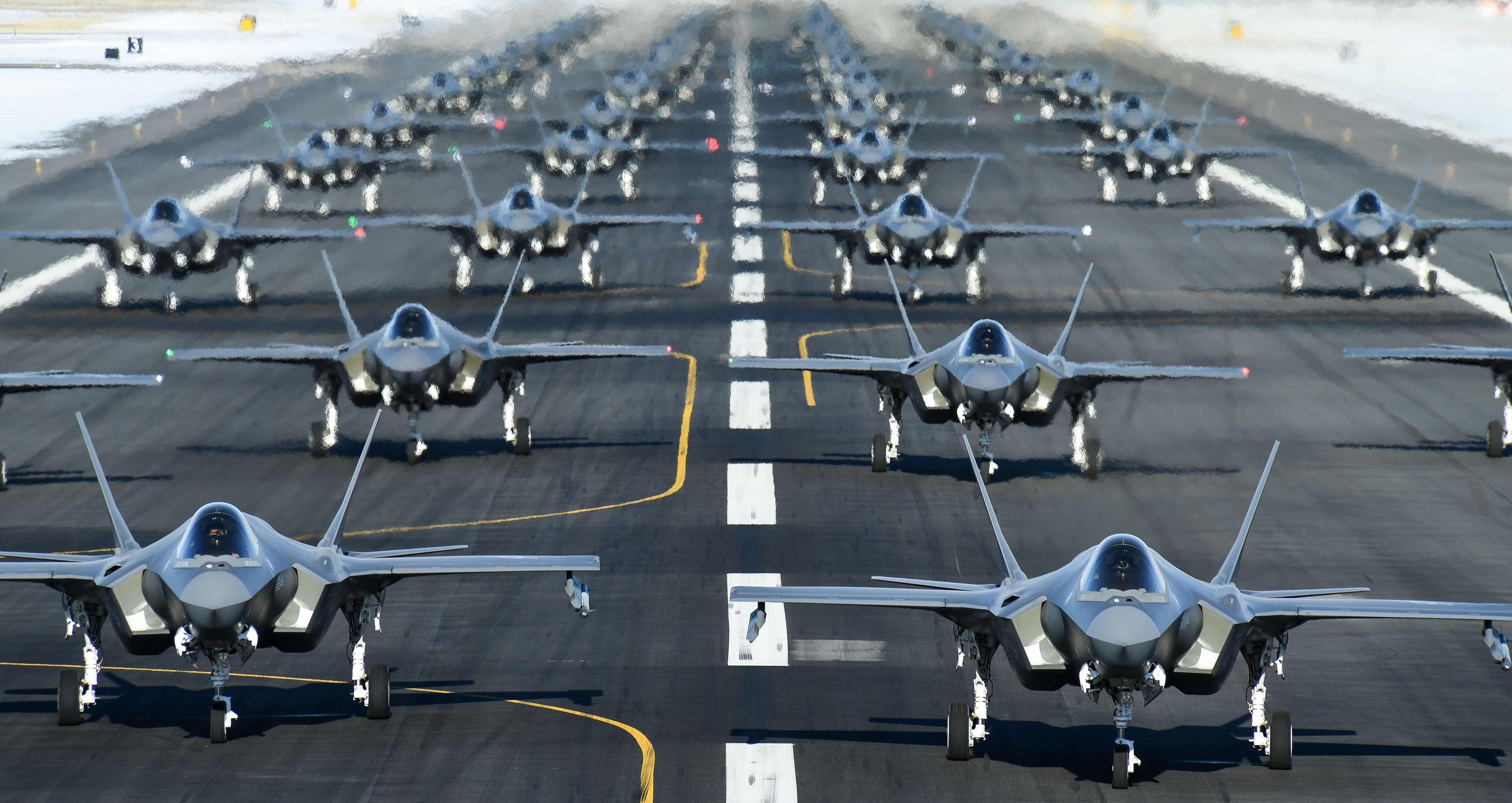
F-35A Fifth Generation Fighters in U.S. Air Force Service
Lockheed Martin and the U.S. Department of War have reached a preliminary ten-year framework agreement covering the production and sustainment of at least 850 F-35 fifth generation fighters for the U.S. Armed Forces, alongside aircraft for international customers. The agreement aims to maintain production at a rate of 156 fighters annually, with Lockheed Martin committing at least $7 billion of its own funds to support manufacturing capacity, supply-chain resilience and the wider F-35 program. By providing greater long-term certainty over procurement volumes, the arrangement is intended to enable Lockheed Martin and its suppliers to invest in additional capacity, secure raw materials and components in larger quantities, and reduce production costs through economies of scale. This is critical as inflation rates threaten to drive the costs per aircraft considerably higher.
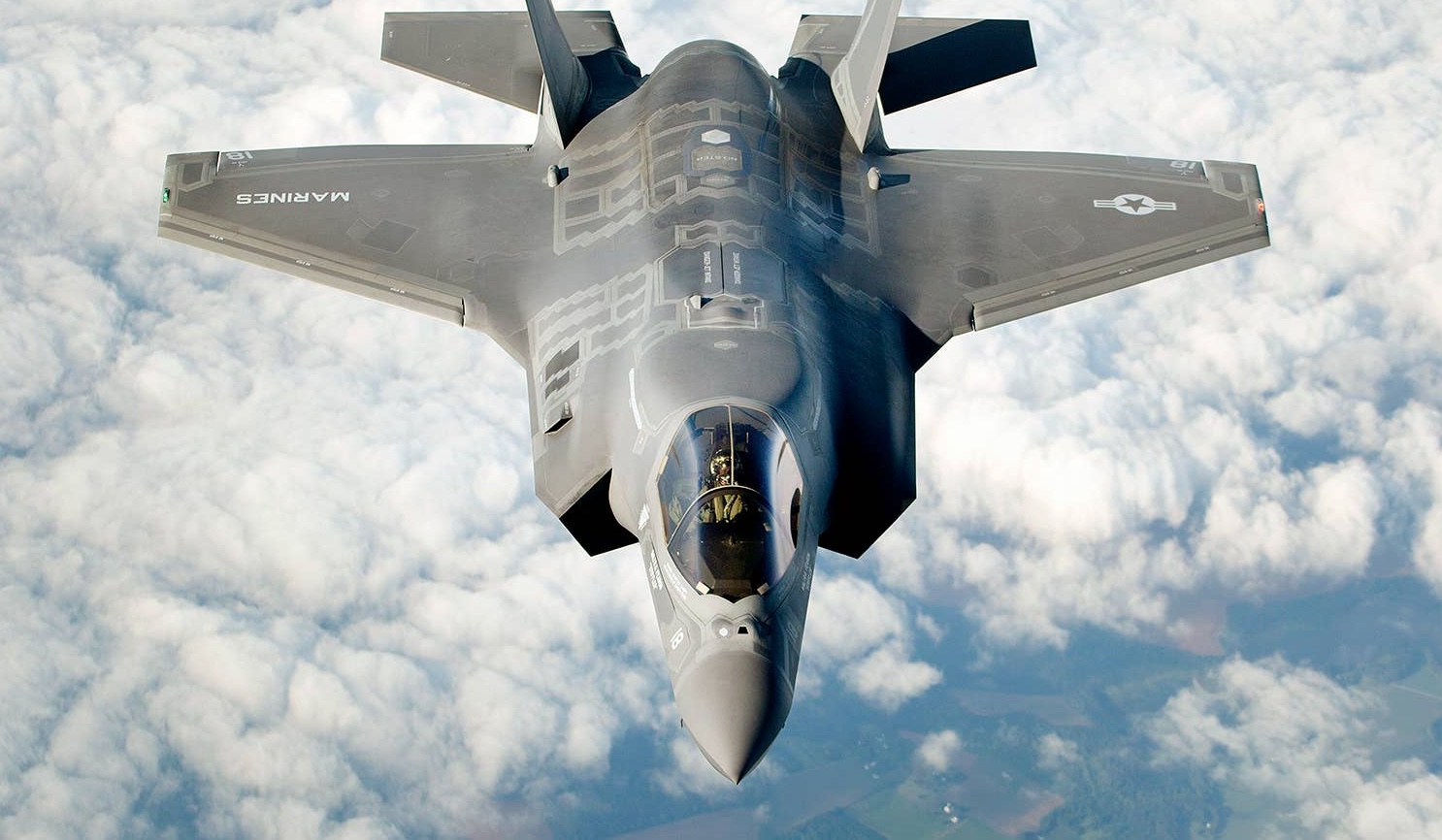
The F-35 is the only fifth generation fighter type in production in the Western world, making the program vitally important at a time when China is rapidly procuring two separate fifth generation fighter types, the J-20 and J-35, while Russia makes progress expanding production of its less advanced Su-57 fighter. Under the U.S. Air Force’s plans to expand its combat-coded fighter fleet to 1,509 aircraft by 2035, the F-35A is scheduled to account for approximately 40 percent of the force, despite annual orders for the aircraft to equip the service having been cut to just 24 aircraft, from a former figure of closer to 48, and from prior projected procurements of 110. The large scale orders placed by foreign clients have allowed production rates to remain high despite the type’s primary client halving its procurements.
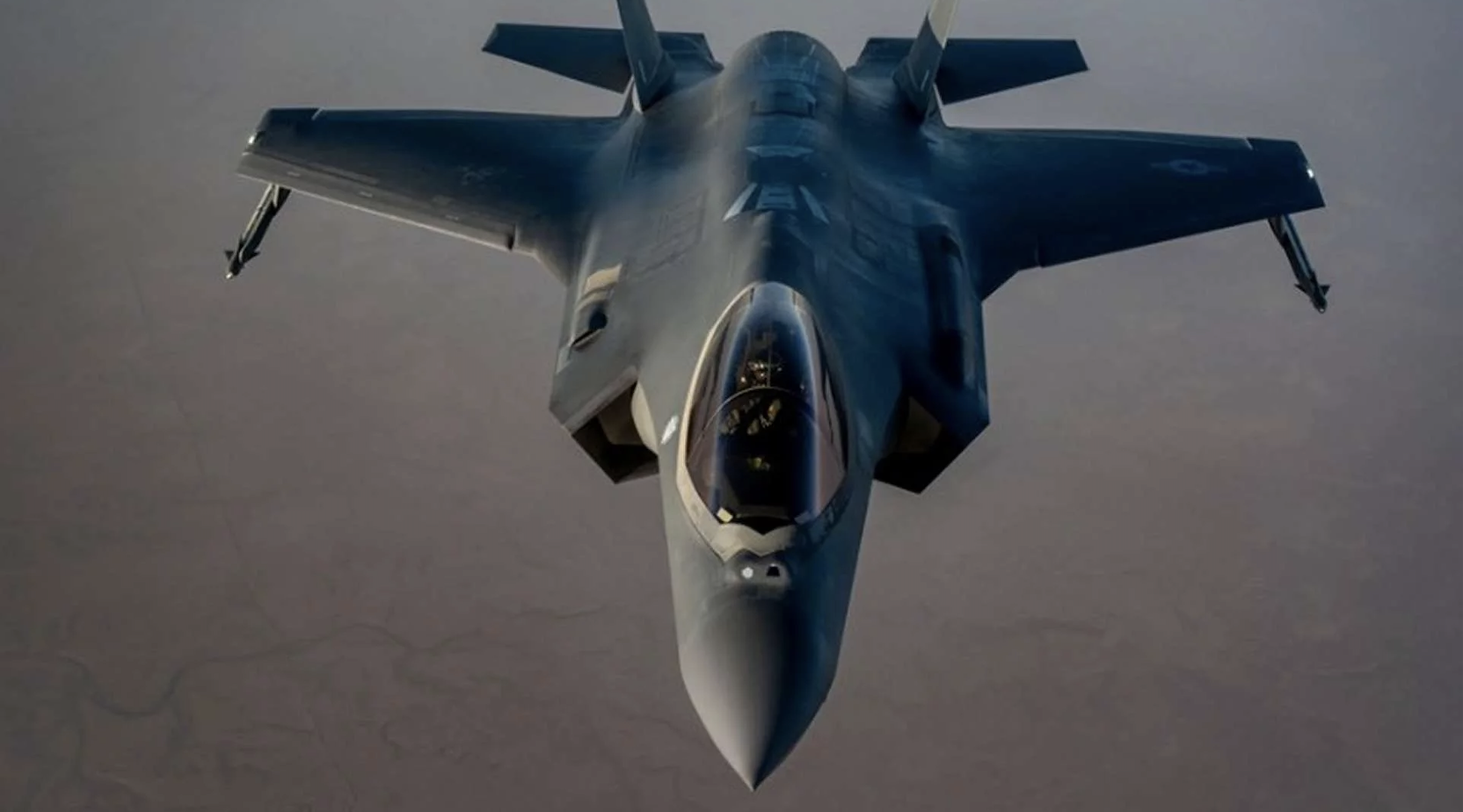
The U.S. Armed Forces’ fleets of F-35 fifth generation fighter aircraft operated by the Air Force, Marines, and Navy have continued to suffer low availably rates, which the Defense Department’s Office of the Inspector General’s latest report having revealed that rates remained at just 50 percent. Pentagon reports have repeatedly highlighted that the F-35 suffers from poor reliability, and that its high operational costs could make it unaffordable in the numbers initially expected to be purchased. With the life cycle costs of all planned and current F-35s combined expected to cost the Pentagon $1.3 trillion, the U.S. Air Force has been seriously considering deep cuts to planned orders for the aircraft. Issues with the F-35’s F135 engine have been one of the leading drivers of low availability rates.
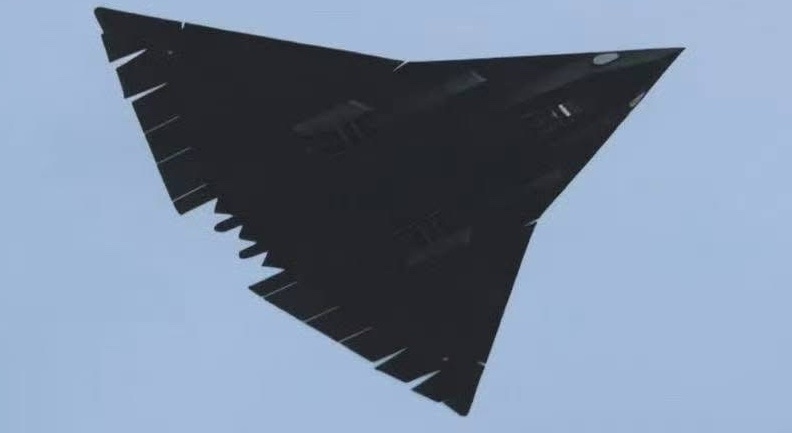
The F-35 program suffered a significant setback after China was revealed in September to have obtained key parts of the aircraft’s fuselage allowing for studies of its materials and radar cross section reducing measures. The program’s future has become increasingly uncertain as China appears poised bring its first sixth generation fighters into service in the 2030s, with Lockheed Martin’s stock value notably having suffered after China unveiled its aircraft of the new generation in December 2024, specifically due to the highly possibility that this would reduce demand for the F-35. Due in large part to expected delays to the U.S. F-47 sixth generation fighter program, active talks have been held regarding the possibility of integrating a number of sixth generation technologies onto the F-35 to minimise its future disadvantages.