
World’s Largest Fighter Program Suffers Major Setback as China Obtains Key F-35 Stealth Airframe Parts for Study
Military Watch Magazine Editorial Staff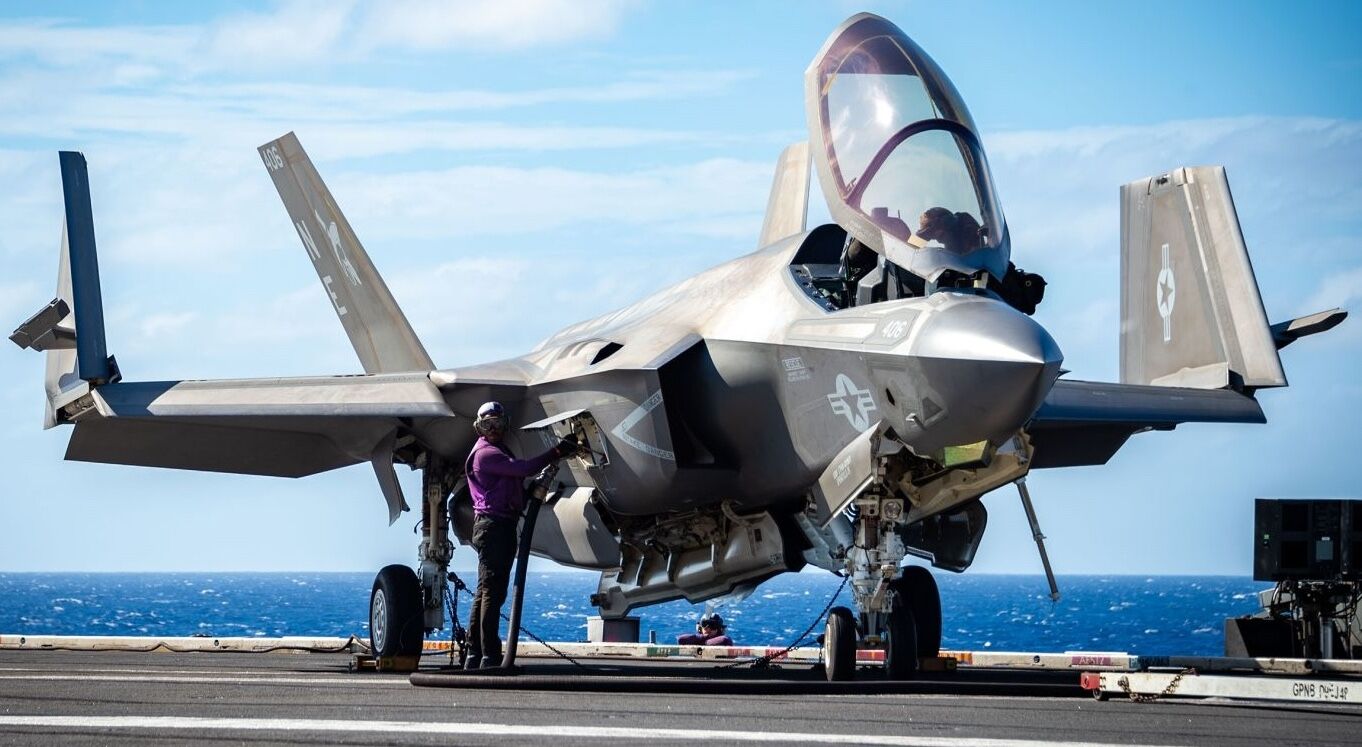
F-35C on Carrier Deck
The Chinese government has taken possession of sensitive components from a Royal Australian Air Force F-35A fighter after a shipment carrying the parts was unexpectedly diverted to Hong Kong, according to sources familiar with the incident cited by Bloomberg. The components, which include an F-35 cockpit canopy and weapons-bay door, were being transported from Australia to the United States for inspection and possible repair or disposal when they were diverted in late May. The shipment was being transported by UPS on behalf of Lockheed Martin, with the reasons for the diversion remaining uncertain.
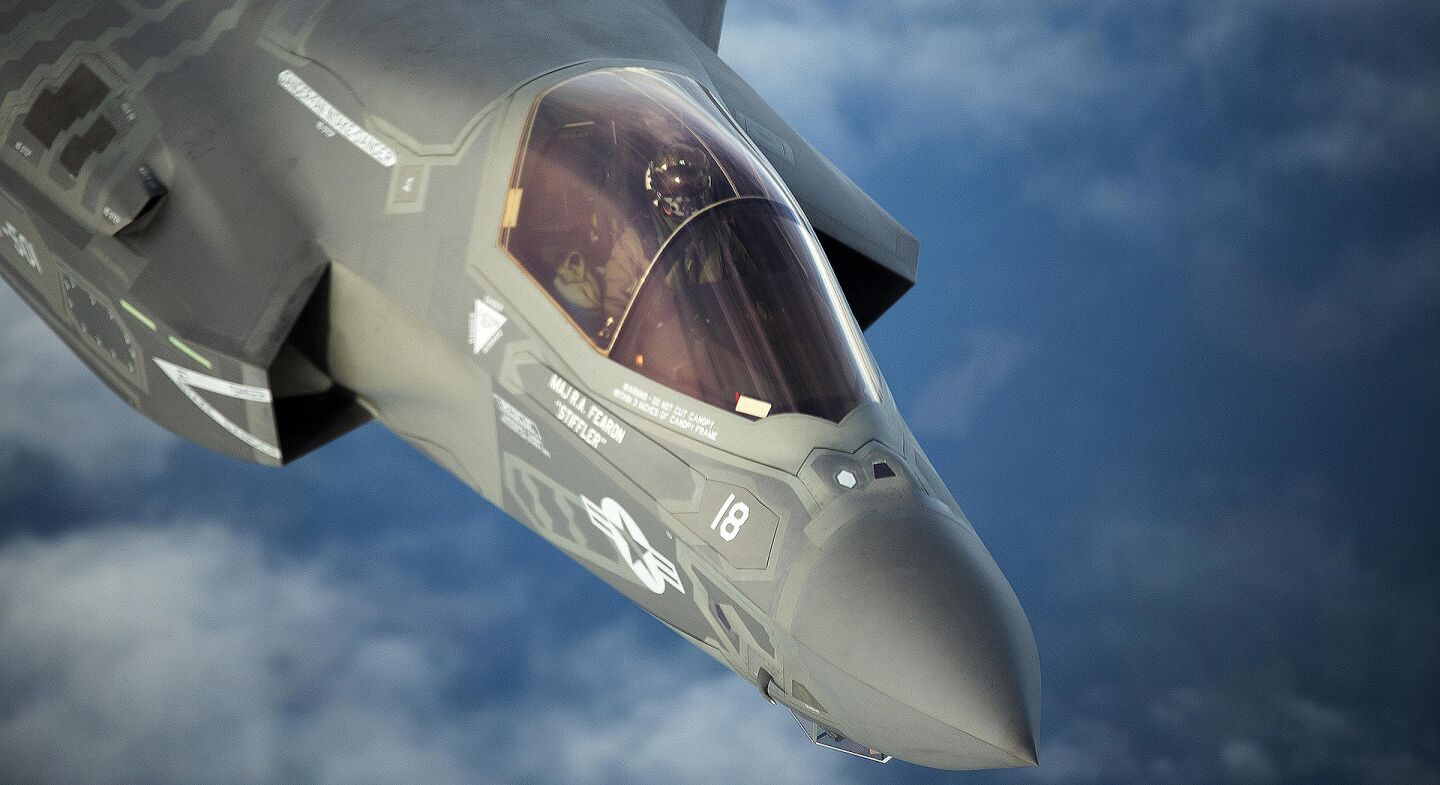
The Pentagon’s F-35 Joint Program Office has confirmed that it is aware of the incident and is working with U.S. authorities and industry partners to recover the components. “We are actively working with U.S. authorities and industry partners to retrieve these components, investigate the incident, and place safeguards to avoid a future occurrence,” the office reported. The components are potentially valuable, with both the cockpit canopy and weapons-bay door were supplied by Lockheed Martin and coated with radar-absorbing material intended to contribute to the F-35’s low-observable characteristics.
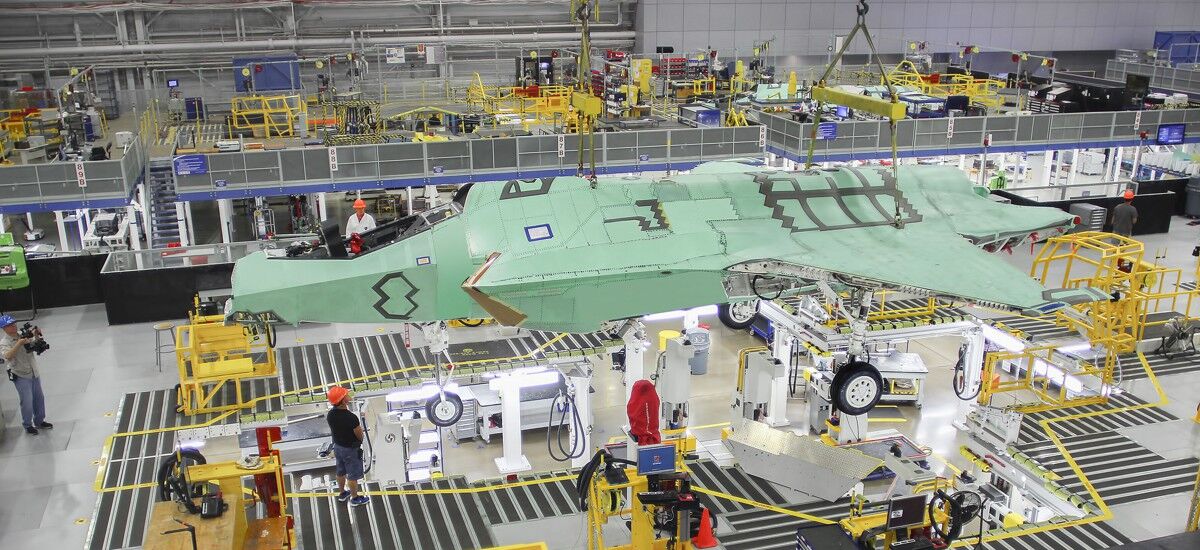
The canopy is of particular interest because its radar-absorbing coating forms part of the aircraft’s overall low-observable design. The weapons-bay doors similarly require radar-absorbing treatment because exposed surfaces can otherwise produce radar returns that increase the aircraft’s signature. Analysing them could help China’s defence sector develop more effective means of detecting and tracking F-35s, which are heavily reliant on their stealth capabilities to remain survivable in high intensity conflict scenarios. Analysts have noted that while the F-35’s highly sensitive avionics were not compromised, the loss of key parts of the airframe could represent a very major setback for the program.
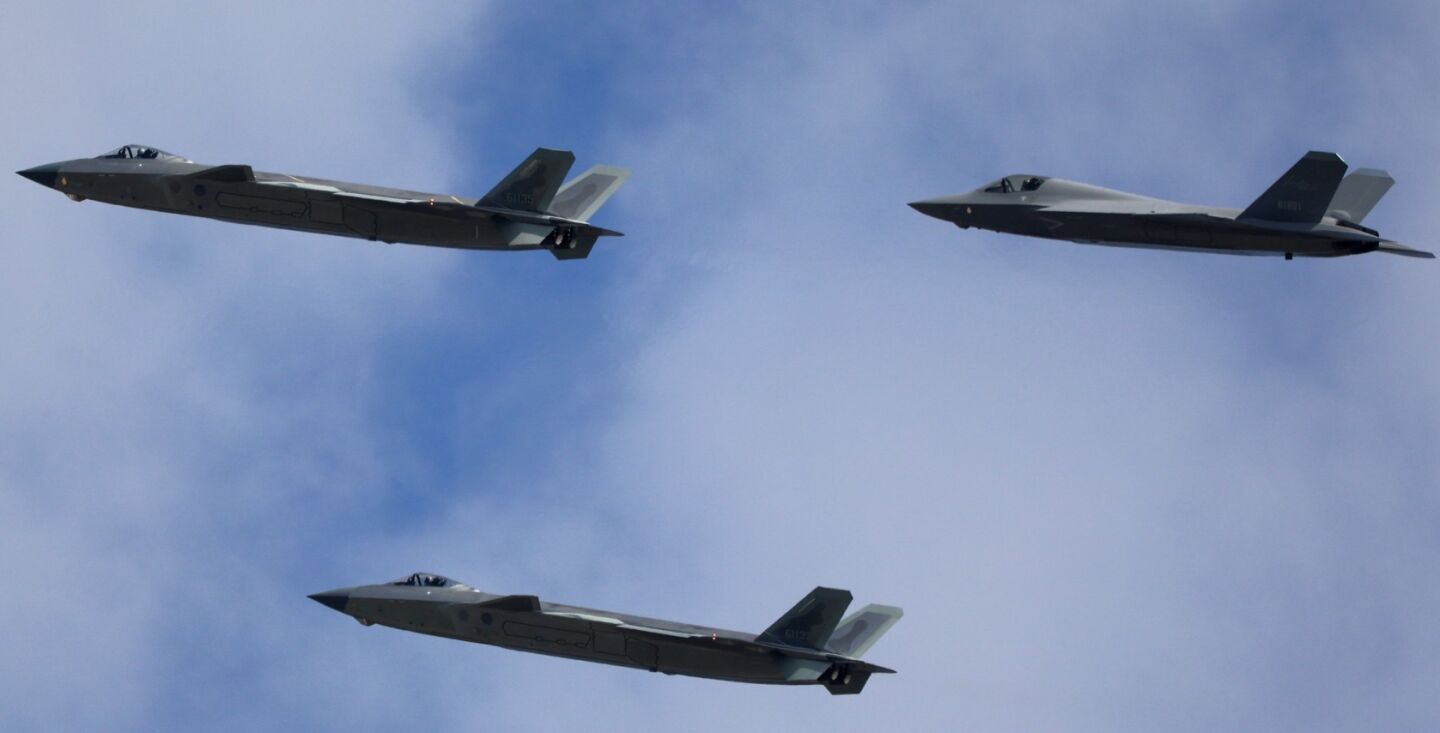
The incident is nonetheless significant because China has a longstanding interest in understanding the F-35 and its low-observable technologies, with the aircraft being the only one of its generation in production in the Western world. China is currently serially producing two fifth generation fighter types, the J-20 and J-35, which are both heavier, longer ranged and have superior flight performances and larger radars than the F-35. The F-35 is considered the only fighter type in the world capable of engaging China’s most capable fighter types on a near peer level. It is expected to remain the most capable fighter type in the Western world at least until the late 2030s or early 2040s when the U.S. F-47 sixth generation fighter enters service. The very limited numbers of F-47s planned to be procured means the F-35 will be relied on very heavily for decades, which makes even a partial compromising of its stealth features a very major setback.
