F-35s to Make Up 40 Percent of the U.S. Air Force Fighter Fleet By 2035: Are Force Composition Goals Viable?
Military Watch Magazine Editorial Staff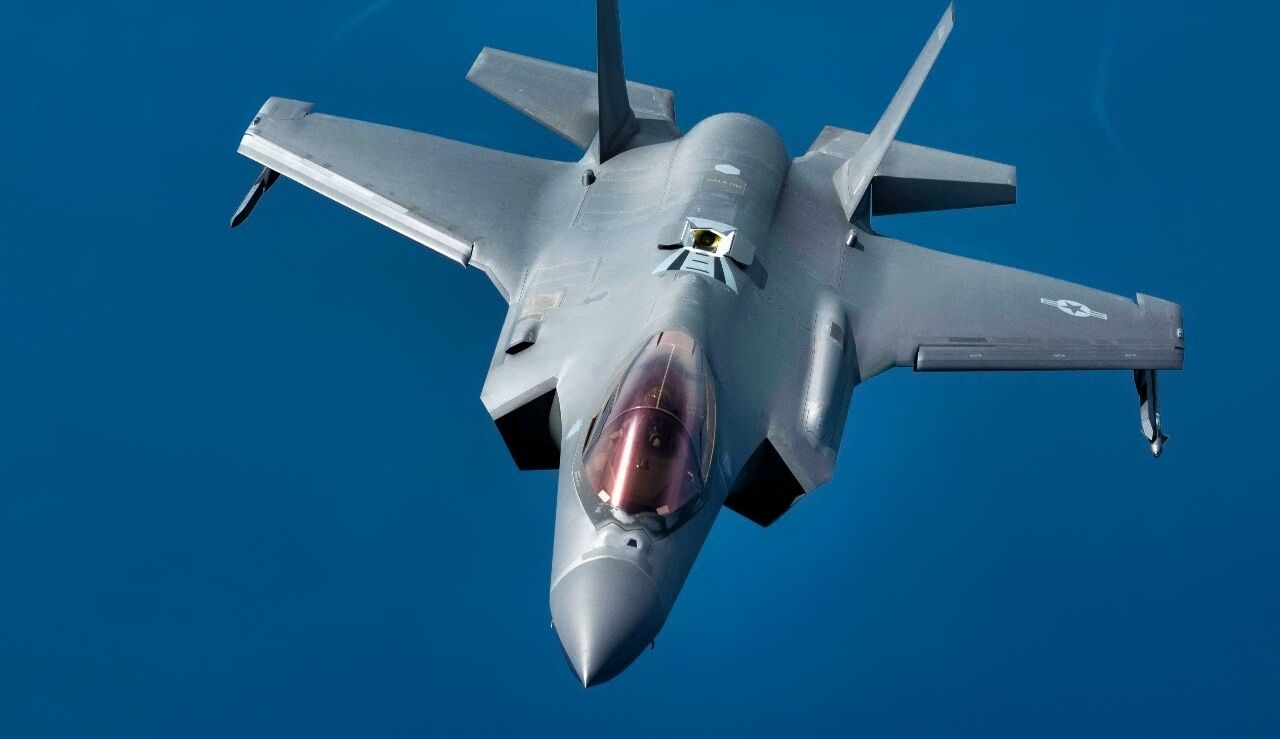
F-35 Fighter with AIM-9X Air-to-Air Missiles Mounted on External Pylon
The U.S. Air Force plans to expand its combat-coded fighter fleet to 1,509 aircraft by 2035, with the F-35A scheduled to account for approximately 40 percent of the force, according to a new force structure report submitted to Congress on October 16. The F-22 fifth generation fighter and its planned successor, the sixth-generation F-47, will together account for another 20 percent, while the remaining 40 percent will be divided approximately equally between F-15 and F-16 fourth generation fighters. This would mark a substantial change from the current composition, in which F-16s account for approximately 45 percent of the fleet, F-35s 30 percent, F-15s 15 percent and F-22s 10 percent. With the F-22 having seen production ended in 2011, while F-16 procurements ended in 2005, the F-15 and F-35 are the only fighter types that have been procured for the last 15 years.
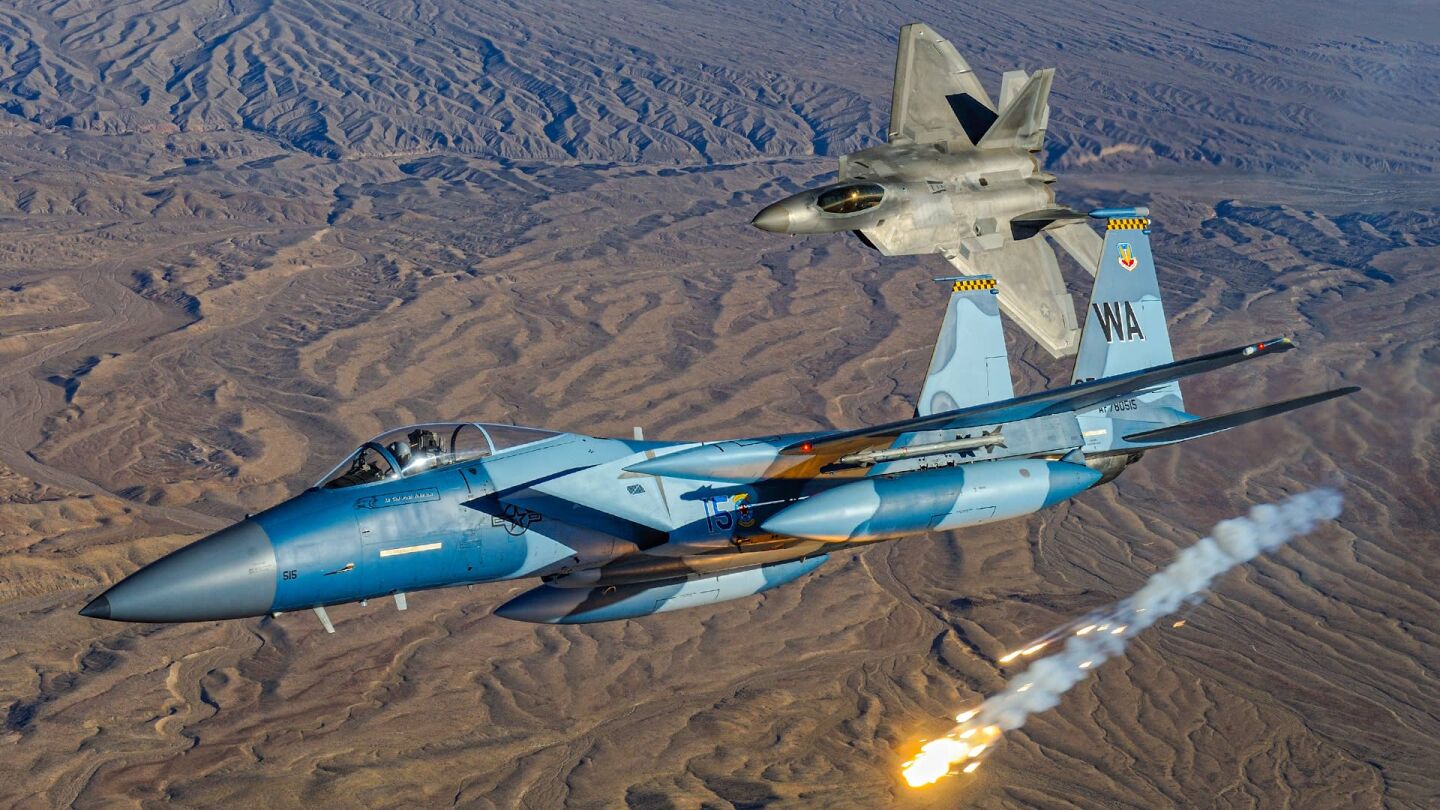
The F-16 currently forms the backbone of the U.S. Air Force’s fighter fleet, with the planned composition of the fleet in 2035 indicating that mass retirements of these older aircraft are intended. The Air Force has nevertheless considered resuming F-16 procurements over 20 years after they concluded, largely as a result of shortcomings with the F-35 in terms of affordability, maintainability, and availability rates. Resumed procurements would likely alter the composition of the planned 2035 fighter fleet considerably. The Air Force previously ended all F-15 procurements in 2001, only to resume them in the early 2020s due to major shortcomings with the F-22 program, which could set a precedent for issues with the F-35 similarly leading to a revival of F-16 procurements.
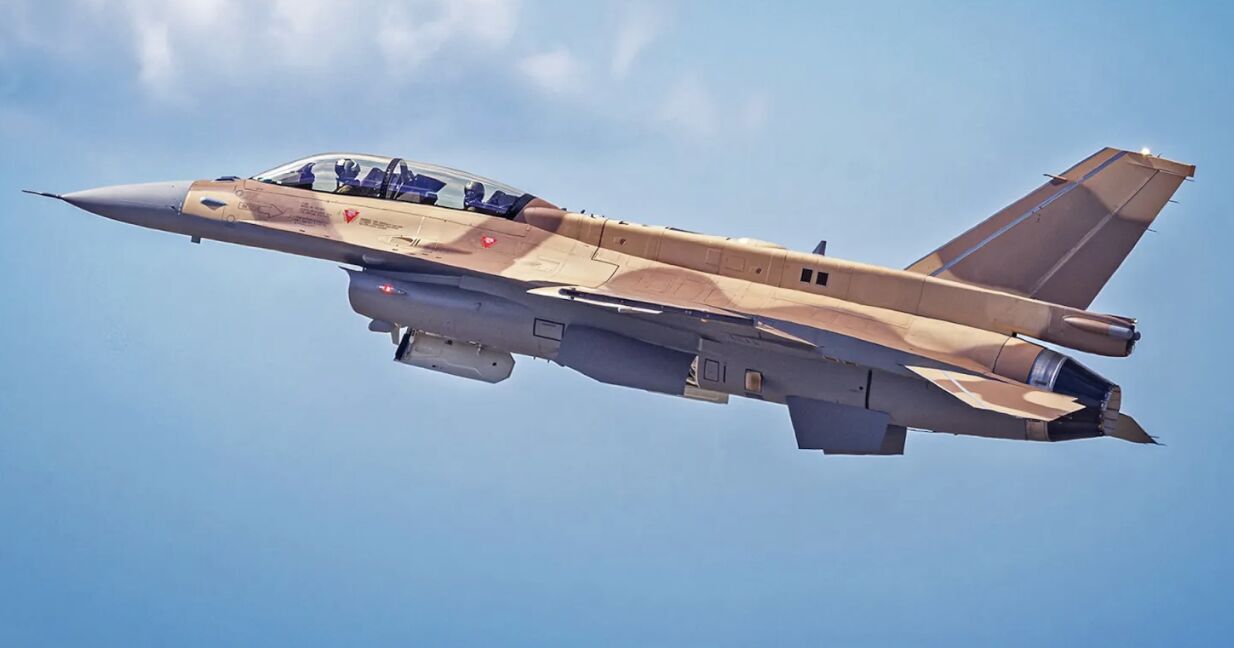
The rate of fifth generation fighter procurements in the Chinese People’s Liberation Army Air Force has far exceeded that of the U.S. Air Force, which combined with the much more advanced stages which its sixth generation fighter programs have reached, indicates that a far greater proportion of the Chinese fleet will be comprised of fifth and sixth generation fighter types. The U.S. Air Force plans to replace its 186 operational F-22s with a roughly equivalent number of F-47s, although the transition will take place over an extended period as the new aircraft enters service. It is highly possible that the planned force composition for 2035 will be influenced by expected delays to the F-47’s development, with the aircraft having yet to make its first flight, which makes service entry before the late 2030s appear unlikely.

While the F-35 is expected to become the backbone of the future fleet, funding for the proposed F-35 purchases remains a particular concern. The Air Force’s fiscal year 2027 budget plan relies on $2.34 billion in additional funding through budget reconciliation to finance 14 of the 38 F-35s requested. If that funding is not approved, the service could attempt to redirect money from other programmes or postpone the purchases until 2028, either of which would complicate efforts to modernise the fleet. Tabor warned that diverting funds would mean sacrificing other planned capabilities to pay for the additional fighters. F-35 procurements were initially planned at 110 per year, before major cost overruns, budget shortages, and dissatisfaction with the performances of pre-Block 4 configurations of the aircraft, resulted in this gradually falling to around 24 per year.