
New KF-21 Fighter’s Airborne Command Capabilities Demonstrated by South Korean JCS Chairman
Military Watch Magazine Editorial Staff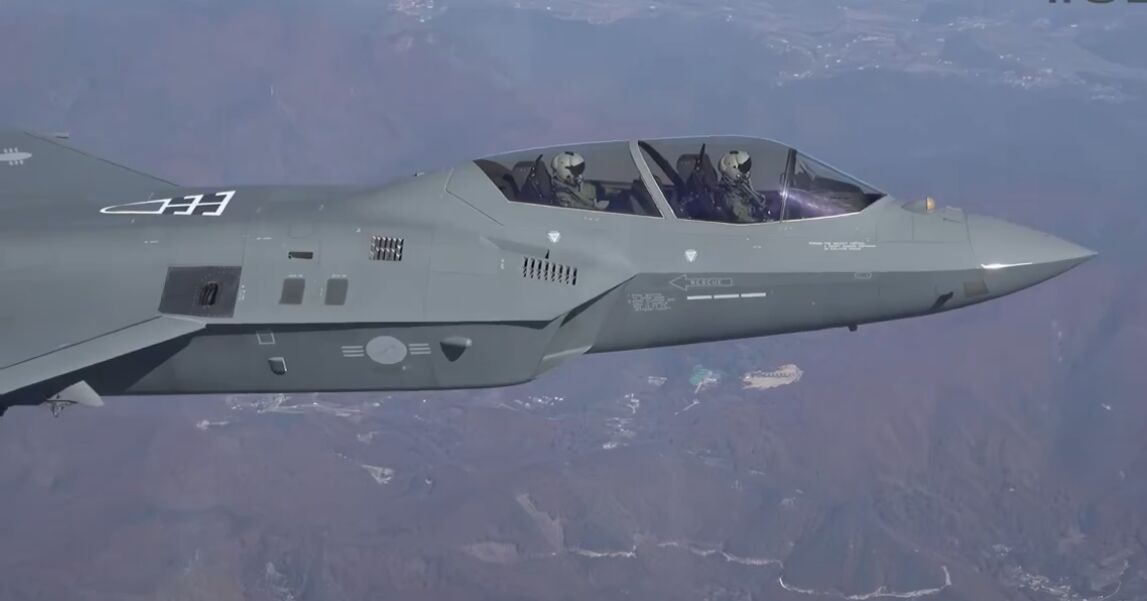
KF-21 Fighter with General Jin Yong-sung Onboard
The Chairman of the Republic of Korea Joint Chiefs of Staff, General Jin Yong-sung conducted a command flight aboard the newly operationalised KF-21 Boramae fighter on November 11, leading a formation comprised of two production-standard KF-21s and two FA-50 lightweight fighters. The two KF-21s were the first serial production models. The flight took place during a visit to the Republic of Korea Air Force’s 16th Fighter Wing at Yecheon, approximately 160 kilometres southeast of Seoul, as part of an inspection of the country’s air defence posture. General Jin used the flight to assess the KF-21’s operational performance and the readiness of the unit preparing to introduce the aircraft into service. Following the flight, he held a debriefing with pilots and called for the maintenance of overwhelming air superiority and the ability to scramble immediately in response to potential provocations.
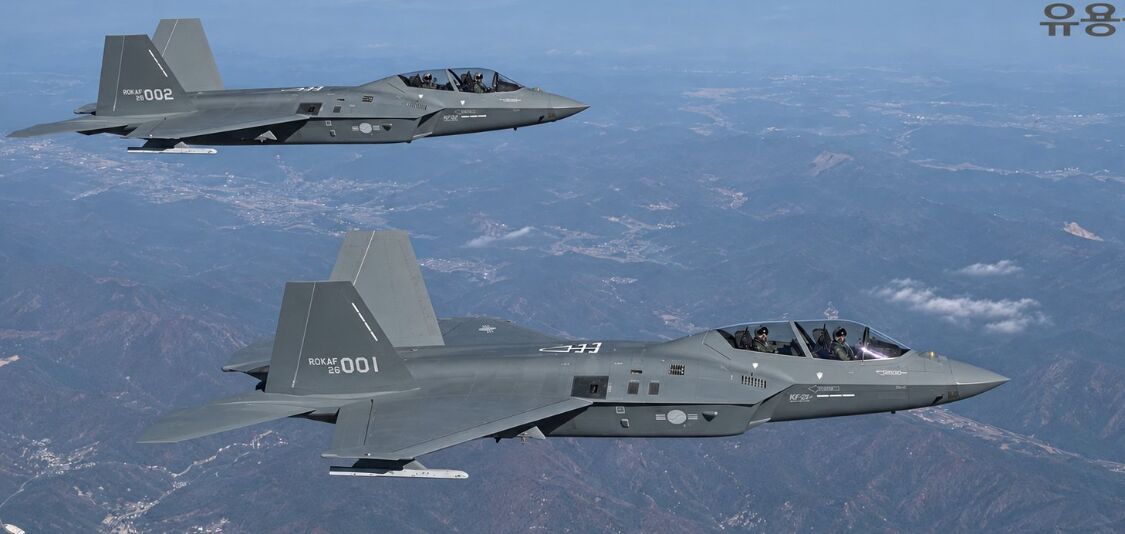
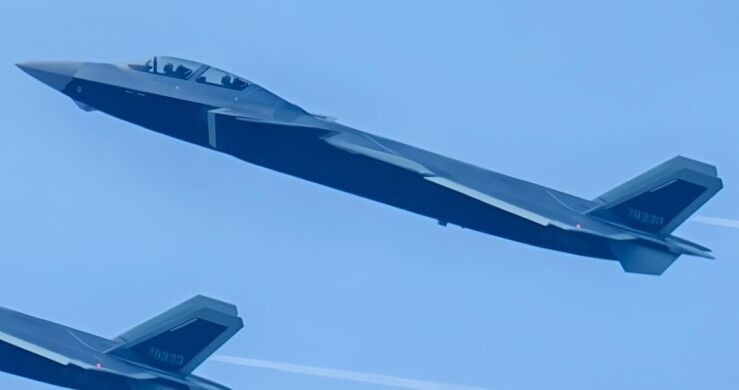
General Jin’s flight highlighted the airborne command and control capabilities of the KF-21, in particular its twin seat variants. The aircraft straddles a unique position between advanced fourth and basic fifth generation capabilities, with Block 1 variants lacking advanced stealth capabilities due to their external weapons carriage, while planned Block 2 variants will be fully fifth generation fighters. This will likely make the KF-21 the only NATO-standard fighter of its generation with a twin seat configuration, which could be invaluable for command and control and for manned-unmanned teaming. The Chinese J-20S is currently the only twin seat stealth fighter operational anywhere in the world, and was developed specifically for such purposes. The small size of the rival U.S. F-35 has limited its suitability for development of a twin seat variant, despite repeated requests from export clients.
South Korea earlier in 2026 began to market its FA-50 lightweight fighter, which has a standard twin seat configuration, as a drone control platform, with the KF-21 expected to similarly be marketed for such roles alongside locally developed unmanned fighters. The FA-50 is limited in its ability to serve as an effective drone controller by the small size and limited situational awareness provided by its radar, and well as by its limited range and lack of stealth capabilities. The KF-21 has significantly greater potential for such roles as a much larger and more advanced aircraft. The KF-21 received final combat suitability approval from the defence ministry in May, clearing it for operational deployment, which has represented a major landmark for South Korea’s defence sector. The first fighters were delivered to the Air Force in September.
