China’s J-20S Fighter Has the World’s First Dedicated Drone Controller Seat to Command ‘Wingmen’ Fleets
Military Watch Magazine Editorial Staff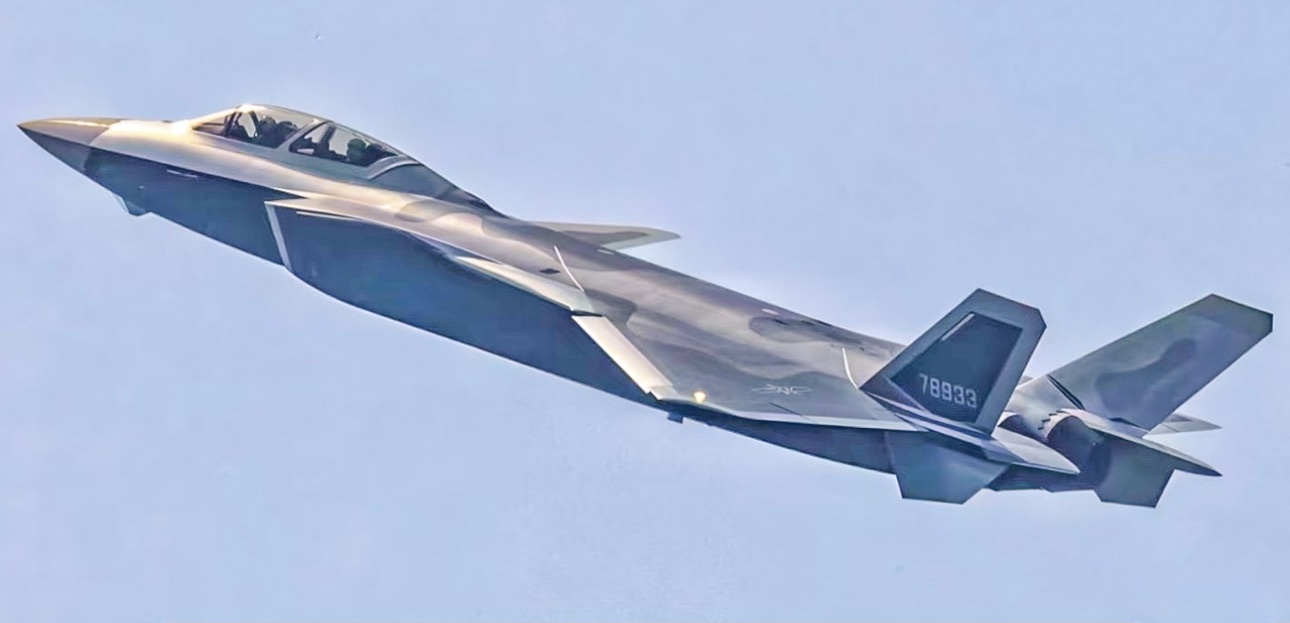
J-20AS
A recent report by Chinese state media on the continued modernisation of the J-20 fifth generation fighter has highlighted the role of the J-20S twin seat variant in optimising the design for operations alongside unmanned semi-autonomous combat jets. It highlights the the J-20S represents a further expansion of the design’s intended mission set, as while the front-seat pilot concentrates on flying and air combat, the second crew member can manage unmanned aircraft, coordinate information from multiple platforms and support mission planning against targets on land and at sea. The configuration could therefore help the aircraft act as an airborne command-and-control node, directing other assets while remaining capable of conducting its own combat missions, as work is shared between two personnel.
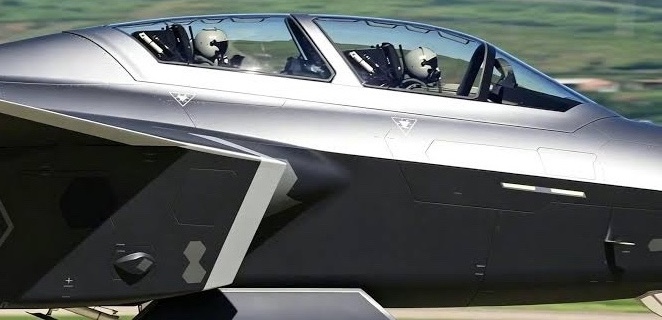
The J-20S is particularly relevant to the development of manned-unmanned teaming, in which crewed aircraft coordinate groups of uncrewed platforms to extend surveillance, distribute weapons and complicate an adversary’s defensive response. A dedicated second operator makes the greater workload associated with managing multiple drones and processing information from a wider combat network more manageable. The J-20S is totally unique as the only fifth generation fighter with a twin seat configuration, with the twin seat American F-22B having been cancelled to reduce costs, the F-35 being two small to accommodate such a configuration despite requests from foreign operators, and the Su-57 having seen the development of a twin seater delayed by close to a decade.
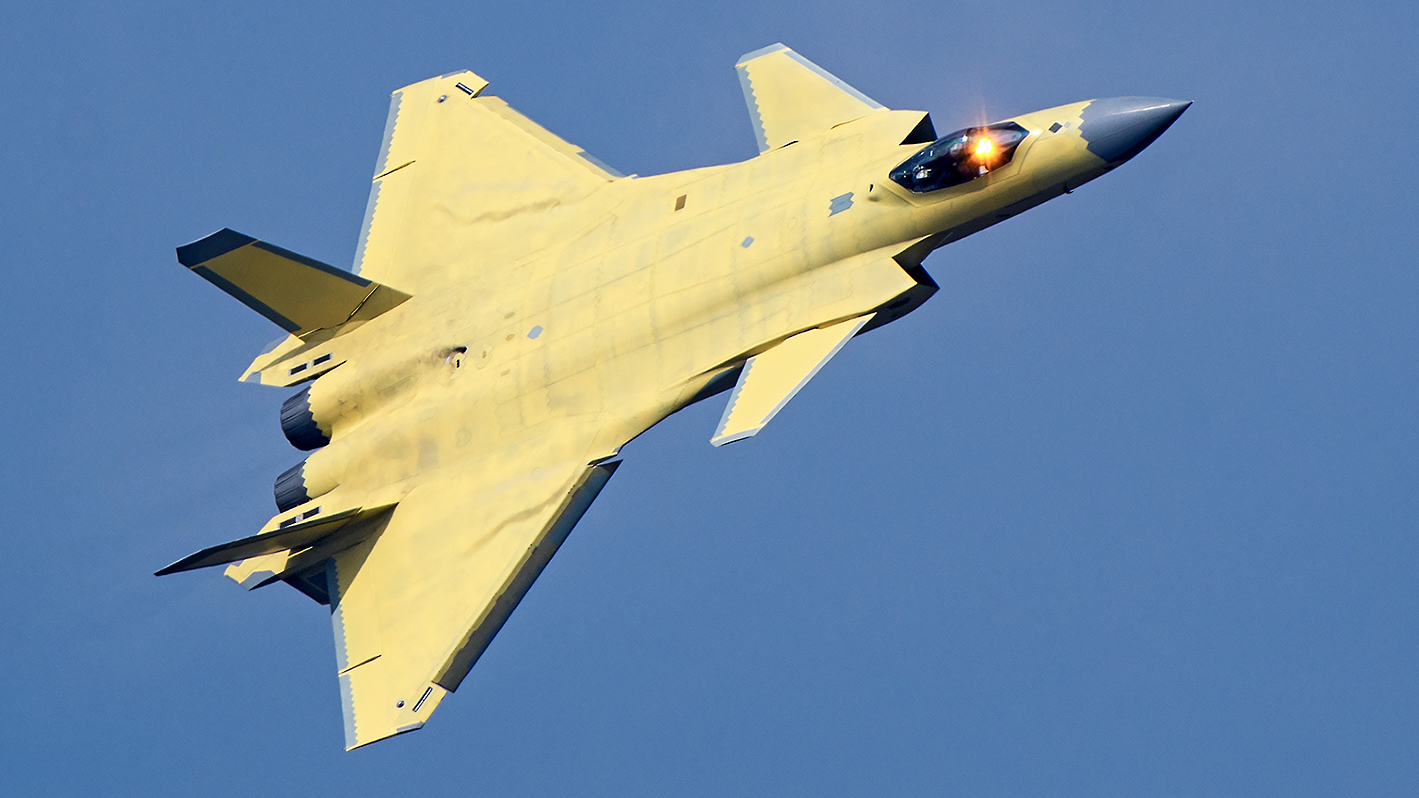
Transforming China’s most capable stealth fighter from an individual combat aircraft into an airborne command platform capable of coordinating multiple unmanned systems, its design concept reflects a broader shift towards manned-unmanned teaming. The ability to control stealthy unmanned combat aircraft to approach hostile airspace, gather information on radar emissions and air defence positions, and transmit targeting information back to the crewed fighter, is considered a game changer for the combat potentials of fifth and sixth generation fighter units. Depending on their design and level of autonomy, these unmanned ‘wingmen’ could also undertake electronic warfare, launch weapons or act as decoys to complicate an opponent's defensive response. This would allow the J-20S to remain further from heavily defended areas while directing operations through a network of forward-deployed unmanned platforms. China's GJ-11 stealth combat drone, also known as the Sharp Sword, has already been paired with J-20 units.