Iran Deploys F-14 and F-5 Fighters for Border Patrols as Israel Launches Simulated Strikes Across Iraq
Military Watch Magazine Editorial Staff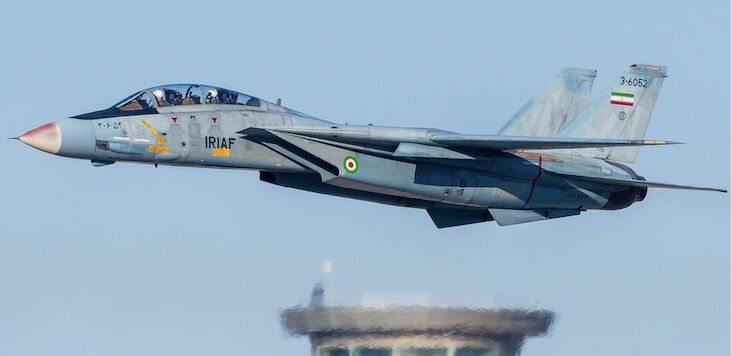
Iranian Air Force F-14
Iranian Air Force F-14 and F-5 fighter aircraft have reportedly been conducting patrols near the country’s border with Iraq and in areas close to Kuwait, amid heightened regional tensions and reports of increased American and Israeli aerial activity. The reported activity comes as Iranian forces face the possibility of further confrontation with the United States and Israel following earlier military operations against Iranian targets from February 28, 2026. On October 19, US Secretary of Defense Pete Hegseth visited Israel and met Prime Minister Benjamin Netanyahu, with discussions reportedly focusing on the ongoing war effort against Iran.
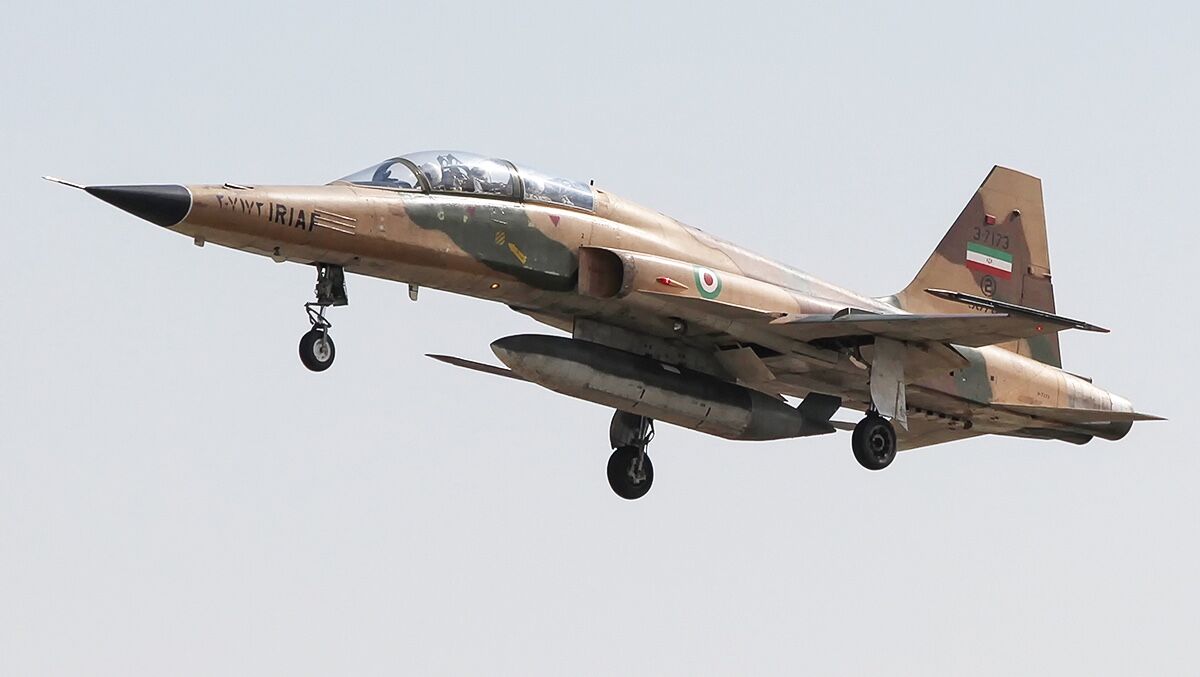
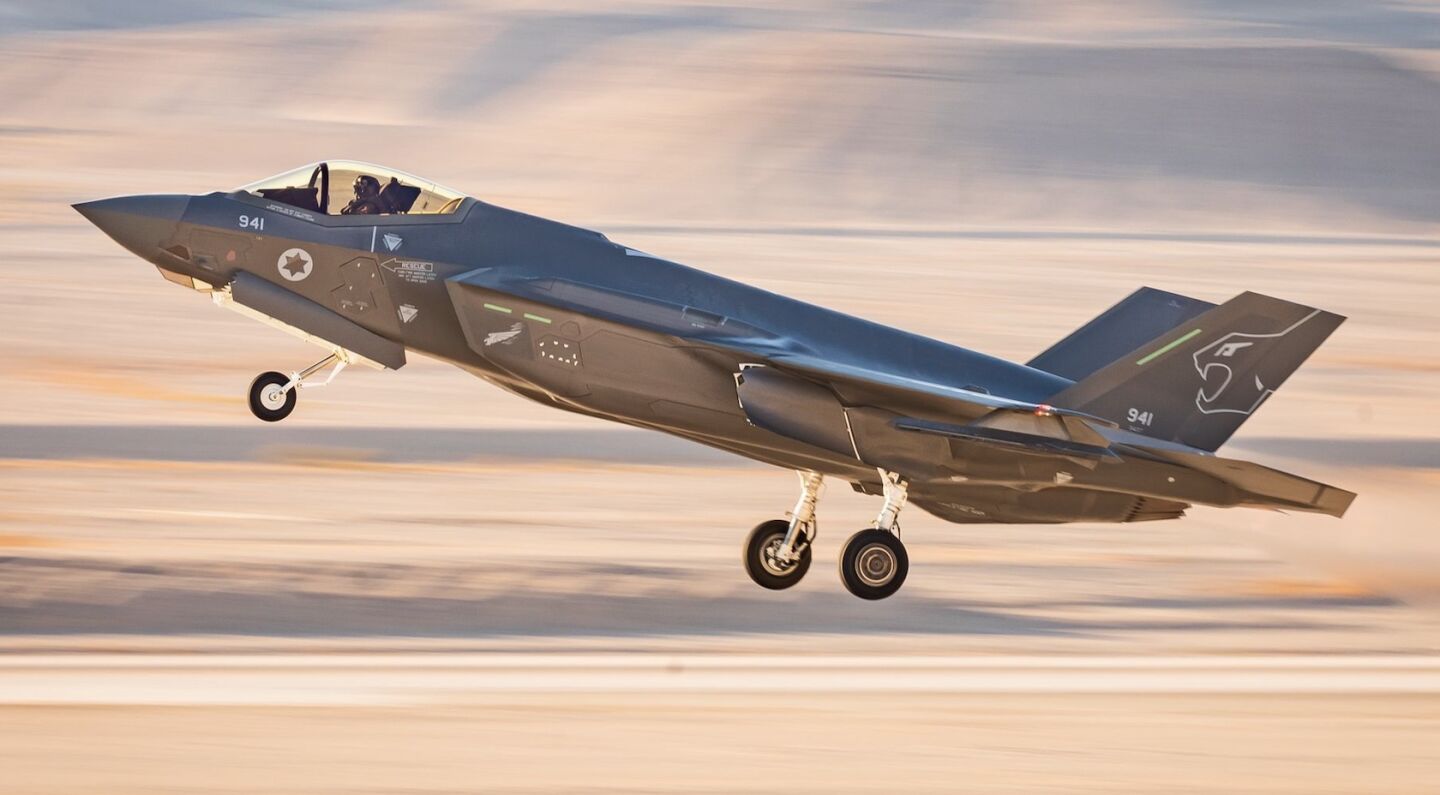
The deployment of Iranian fighters for patrols has occurred as approximately ten Israeli Air Force F-35 fifth generation fighter aircraft were reported on October 19 to have repeatedly flown through Syrian and Iraqi airspace, where they conducted simulated attack runs. Similar flights have reportedly taken place over several consecutive days. The F-35 is the only fifth generation fighter type operational in the Middle East region, although due to delays bringing the aircraft up to the Block 4 standard, their suitability for high intensity combat remains limited, with the fighters lacking any air-to-ground missile strike capabilities. Iran’s fighter fleet is nevertheless considered obsolete by comparison, with its F-14 and F-5 fighters having been procured during the 1970s, while its newer MiG-29s acquired in the late 1980s have not been brought up to a modern ‘4+ generation’ standard.
The Iranian Air Force in mid-October deployed its F-14s and F-5 fighters to participate in major exercises, which involved the firing of multiple ballistic missiles and launches of single use attack drones. While the F-4 and F-5 continue to form the backbone of the Iranian fleet, Iran’s more limited number of F-14s are prized for their ability to intercept cruise missiles at long ranges, with the fighter type having been the first in the world with such a capability. Designed to intercept supersonic cruise missiles with complex trajectories, U.S. Tomahawk cruise missiles which fly subsonically present relatively straightforward targets. While the F-14, F-4 and F-5 are obsolete for air-to-air engagements, they retain a number of uses, with F-4s and F-5s having surprised analysts by being flown on successful penetration strike missions into heavily defended airspace as part of strike mission to respond to U.S.-led attacks.
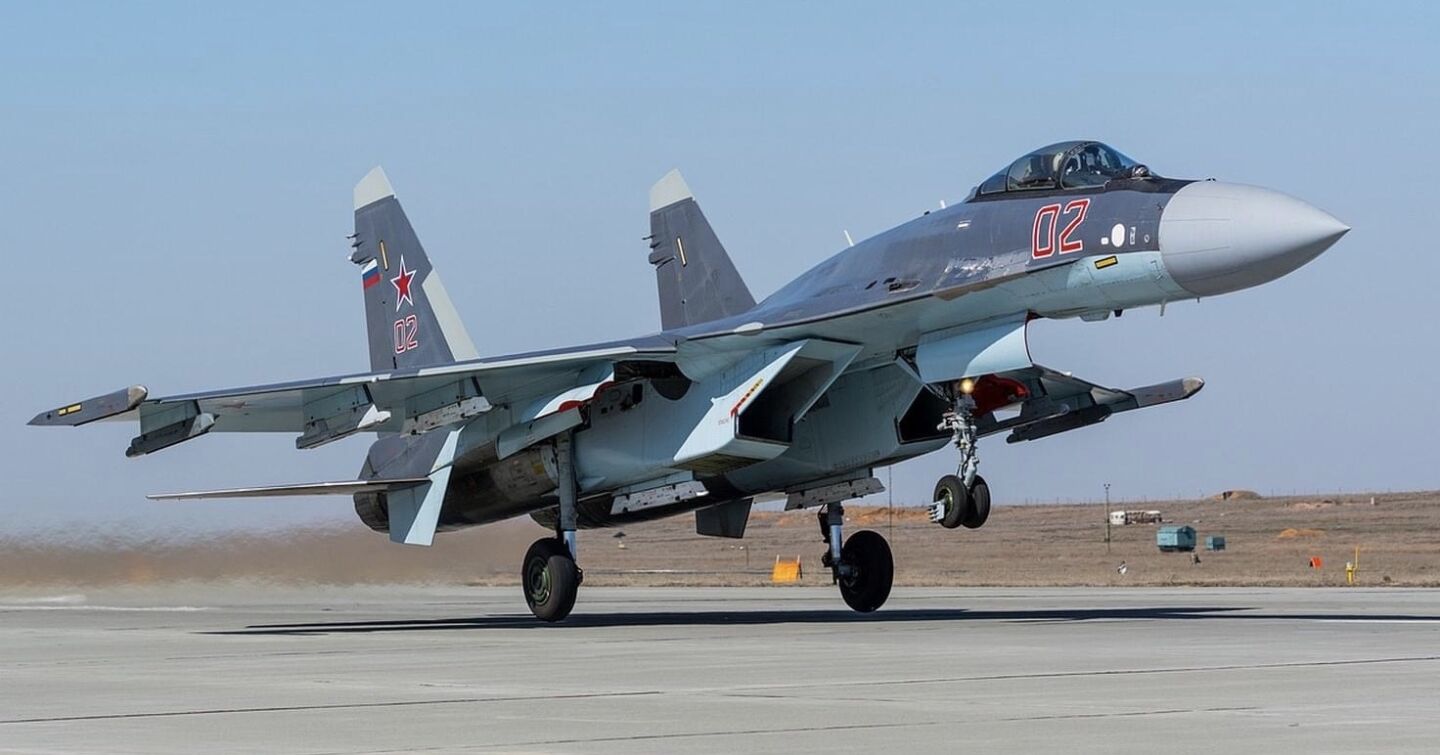
Iran is expected to revolutionise its fighter fleet’s capabilities over the coming year with the deliver of the first Russian Su-35 and Su-30SM ‘4+ generation’ long range aircraft, the former of which are particularly well optimised for air superiority missions. The Komsomolsk-on-Amur Aviation Plant, which produces the Su-35, was reported in early July to have completed the production of 20 Su-35s for the Iranian Air Force, with 28 additional fighters expected to be produced for the country to meet existing orders. There have also been multiple indications that Iran is one of the three foreign countries which has ordered Russia’s Su-57 fifth generation fighter. It remains uncertain when deliveries of modern Russian fighter aircraft will begin, with Iran’s defences relying overwhelmingly on ballistic missiles, drones, and advanced fortifications until then.