Israeli F-35s Launch Multiple Simulated Strikes on Iran Across Iraqi and Syrian Skies
Military Watch Magazine Editorial Staff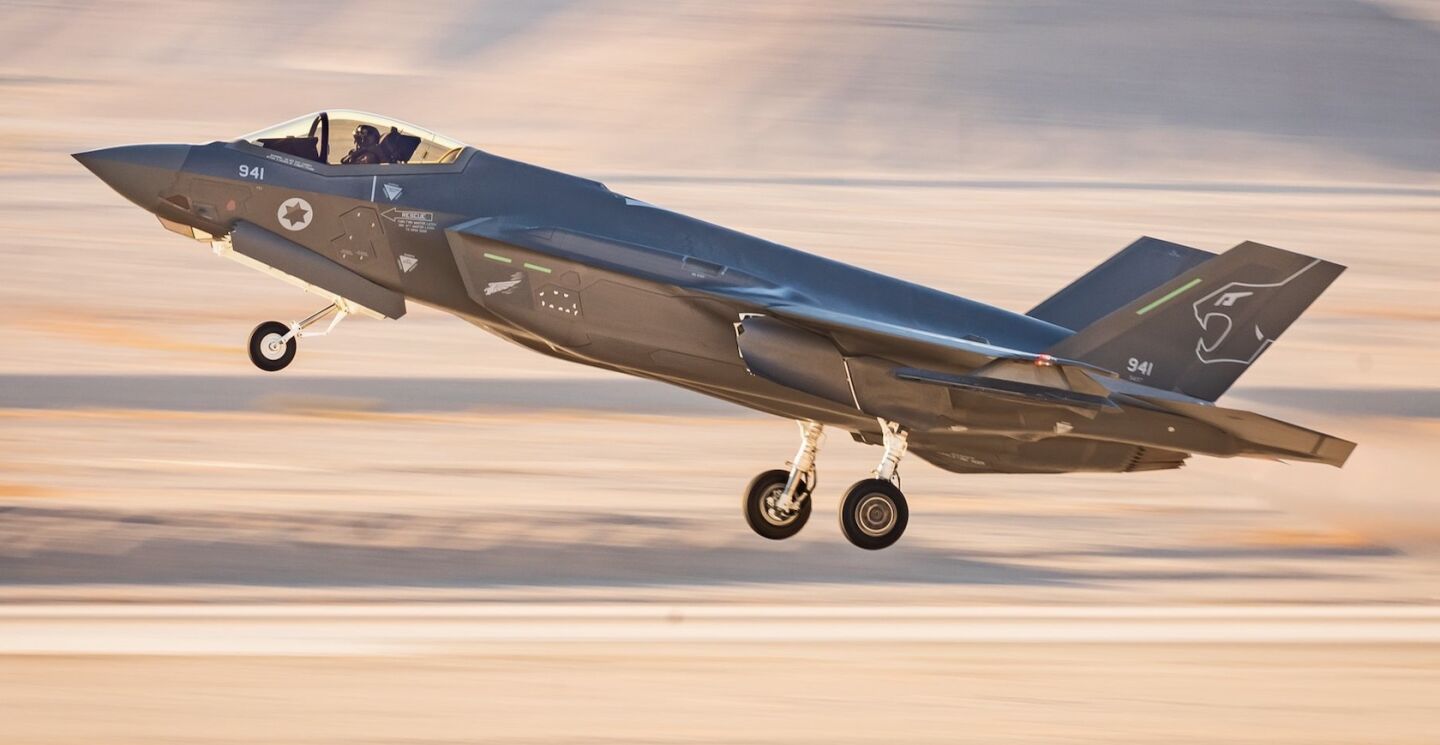
Israeli Air Force F-35I
Around ten Israeli Air Force F-35 fifth generation fighter aircraft reportedly departed Nevatim Airbase on the evening of October 19, flying through Syrian airspace before entering Iraq, where they conducted simulated attack runs. Similar flights have reportedly taken place over several consecutive days, amid heightened Iranian military alertness and speculation over the possibility of renewed U.S. and Israeli attacks on Iran. The reported activity has not been officially confirmed by Israel, the United States, Syria or Iraq, although Iraqi authorities have acknowledged investigating unidentified aerial activity over western and southern parts of the country during October.
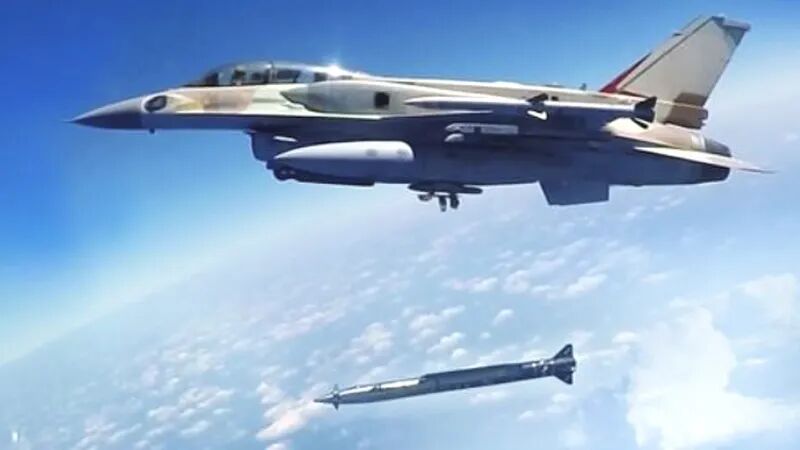
The reported flights would be consistent with preparations for long-range operations against Iranian targets, for which Israeli aircraft could use Syrian and Iraqi airspace to approach the country from the west. The destruction of Iraq’s air defences in U.S.-led attacks throughout the 1990s and early 2000s have allowed its airspace to be used freely by Western-aligned states for a wide range of operations. Syria’s formerly highly capable multi-layered network was dismantled after the defeat of Syrian government forces by Turkish and Western backed insurgents in December 2024, allowing Israeli, Western and Turkish fighter aircraft to use Syrian airspace without opposition. The defeats of Ba’athist governments in both Iraq and Syria has been key to paving the way for a U.S.-led assault on Iran.
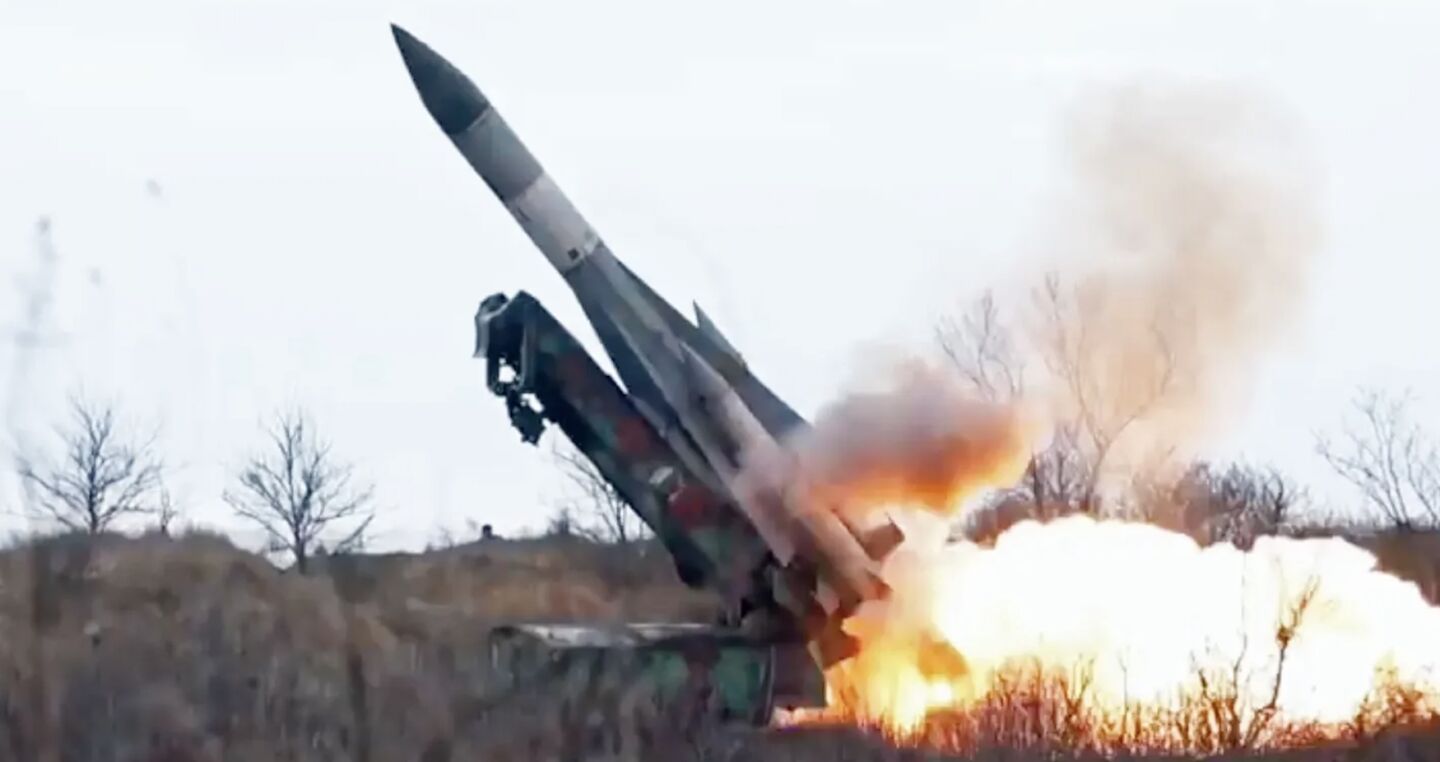
The activity comes amid renewed public discussion of a possible US-Israeli military campaign against Iran. On October 14, Israeli Prime Minister Benjamin Netanyahu said that an attack on Iran in the immediate future was not convenient for Israel, while U.S. President Donald Trump subsequently indicated that a decision concerning Iran could come soon. Reports have also described discussions between the two leaders about the possibility of renewed attacks, although the timing and scope of any potential operation remain uncertain. Iran’s advanced ballistic missile capabilities and successful strikes on U.S. military facilities across the Middle East, combined with severe shortages of cruise missiles and anti-ballistic missiles in the U.S. Armed Forces, have been key to deterring renewed attacks.