
Iran’s Rare F-14 Fighters Take Centre Stage in Live Fire Exercises: Can They Stop U.S. Cruise Missile Strikes?
Military Watch Magazine Editorial Staff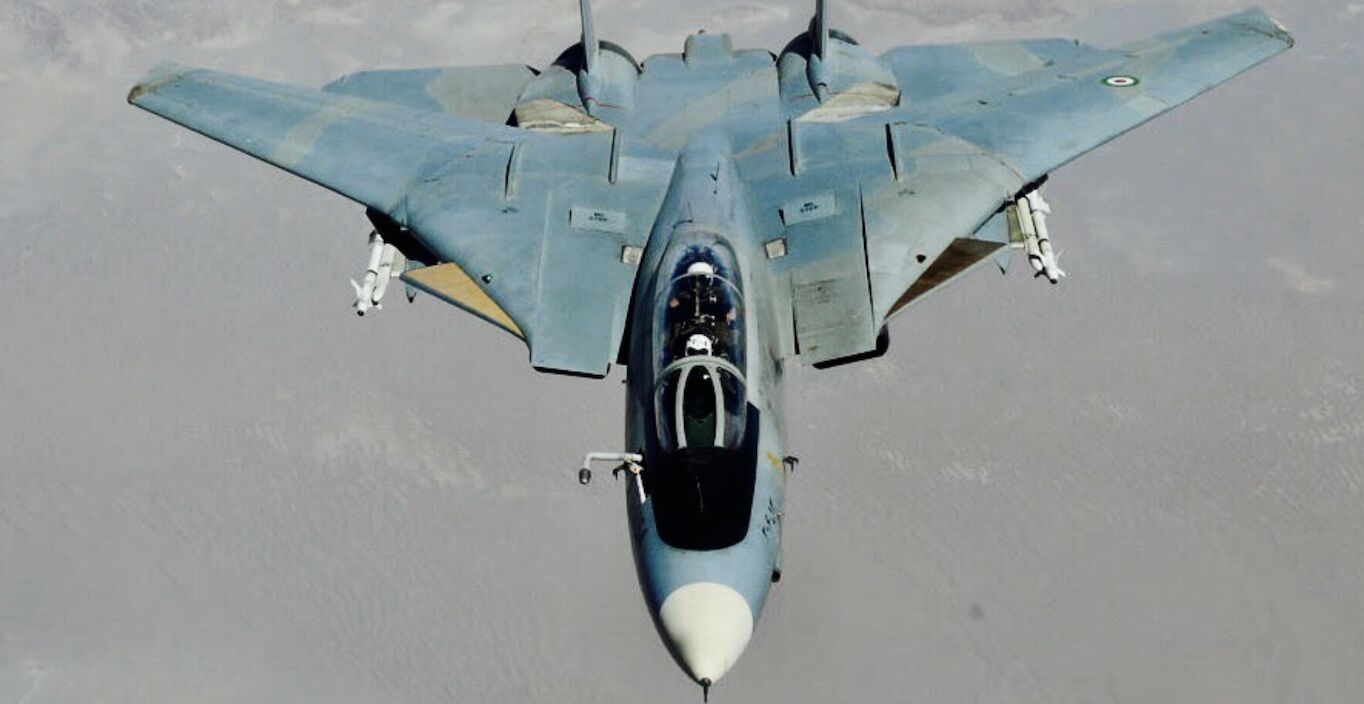
Iranian Air Force F-14 Fighter
The Iranian Air Force has deployed its rare F-14 Tomcat fourth generation fighter aircraft for joint exercises with the Islamic Revolutionary Guard Corps, which have involved the firing of multiple ballistic missiles and loitering munitions. Footage from the drills has shown several types of combat aircraft operating in Iranian skies, including older F-4 and F-5 fighters, and Soviet-supplied MiG-29s. The exercises have demonstrated the failure of the U.S. and its strategic partners to significantly erode Iranian air power after over half a year of war, following the United States’ initiation of full scale hostilities on February 28.
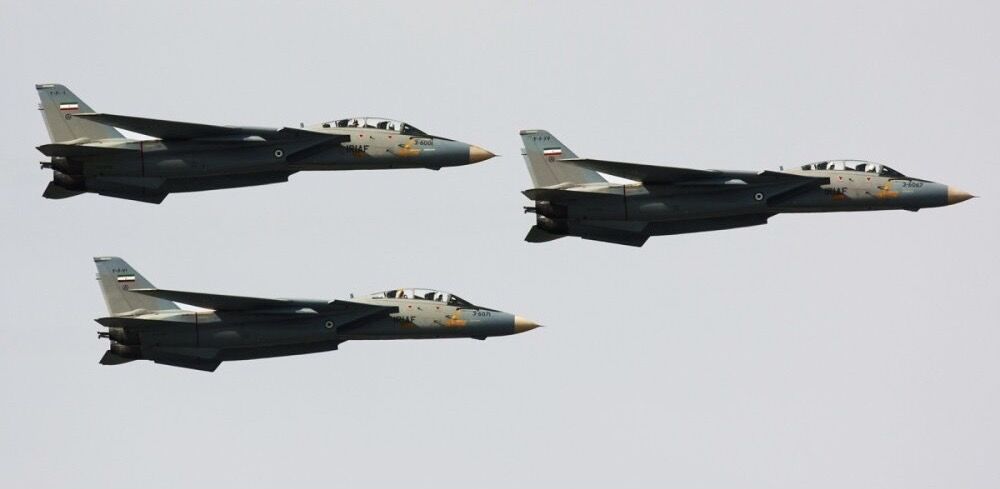
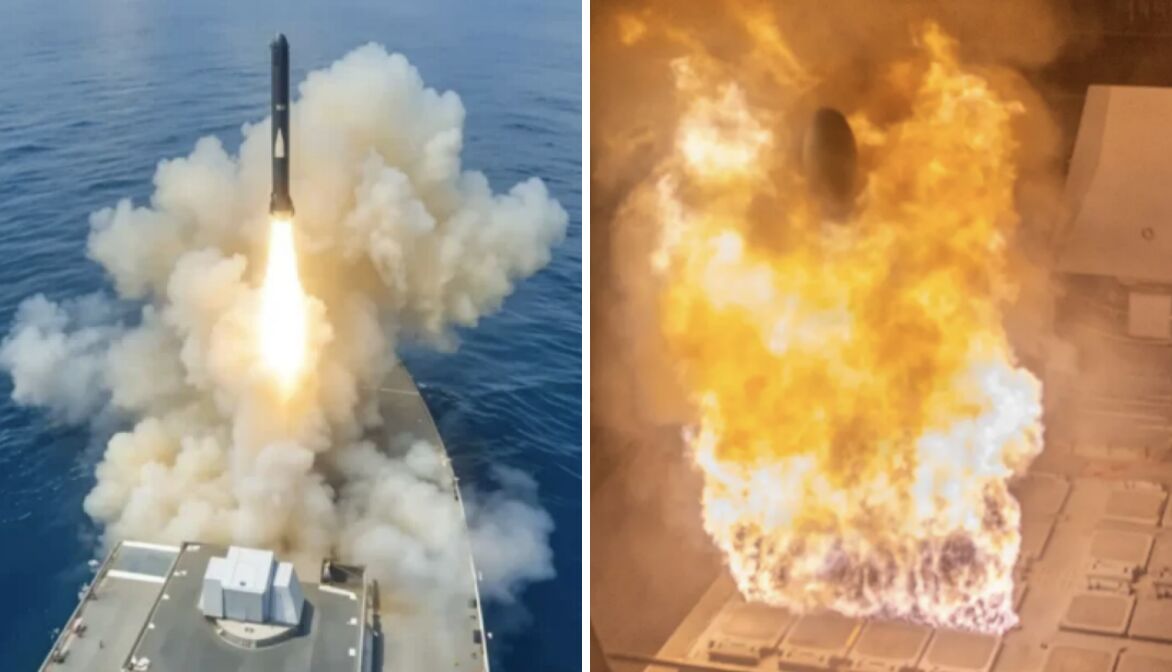
While the F-4 and F-5 continue to form the backbone of the Iranian fleet, Iran’s more limited number of F-14s provide a unique missile defence capability, with the aircraft having originally been designed to defend U.S. Navy carrier groups from Soviet cruise missile attacks. While the type’s status in service was previously uncertain, footage released in June confirmed that the aircraft were operating as part of Iran’s war effort against the U.S. Although currently obsolete for air-to-air engagements against modern fighter types, the F-14’s combination of the AN/AWG-9 radar and AIM-54 missile to provide a robust capability to engage subsonic cruise missiles like the U.S. Tomahawk, which could be invaluable at a time when the U.S. Navy is facing acute missile shortages.
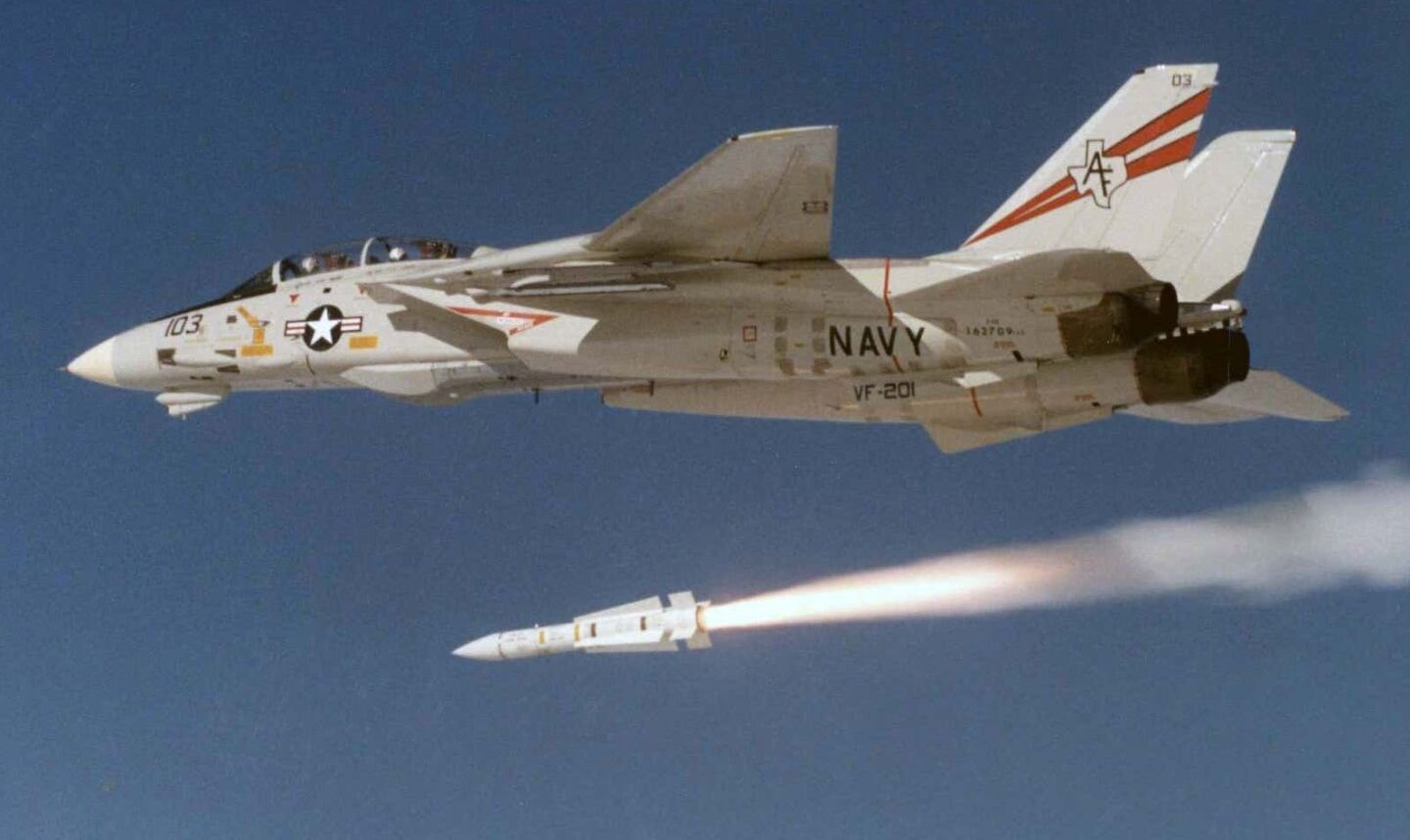
The F-14’s AN/AWG-9 radar was by far the most more powerful radar ever integrated onto a Western fighter during the 20th century, and boasts a detection range exceeding 300 kilometres against large targets and the ability to track up to 24 targets simultaneously while engaging up to six at once. Importantly, its sophisticated look-down/shoot-down capability allowed it to detect and track low-flying cruise missiles against the clutter of the sea surface, overcoming a major limitation that affected many earlier radar systems. With Iran’s ground-based missile defence systems having taken significant losses to U.S. and Israeli air strikes, the fielding of an aircraft capable of contributing to operations may be highly prized. The F-14s are expected to be supplemented, and possibly replaced, with the service entry of Russian Su-30SM and Su-35 fighters, which Iran is confirmed to have ordered in considerable numbers.
The F-14’s combat capabilities have long been in serious question, with the aircraft having fired its primary weapon the AIM-54 multiple times in U.S. Navy service during engagements with Iraqi Air Force fighters during the 1990s, while failing to achieve a hit every time. The aircraft itself has exceedingly high maintenance requirements, which combined with the age of the Iranian fleet is expected to limited availability rates. Unlike the F-4 and F-5, which are much smaller and have lower radar cross sections, the F-14 is also expected to be less viable for penetration strikes into hostile airspace. Iran has proven much more capable than analysts expected of sustaining its fighter fleet and even taking to the offensives with strikes deep into well defended hostile airspace.
