
Embarrassment as Multi-Layered U.S. and Allied Defences Penetrated by Iran’s Vietnam War era F-5 Fighter
Military Watch Magazine Editorial Staff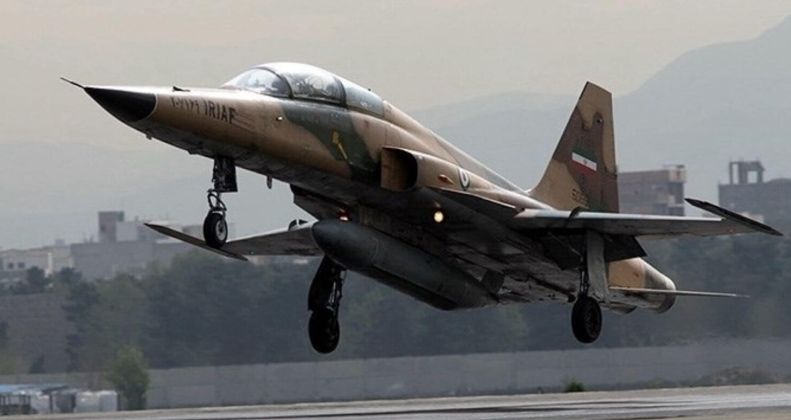
Iranian Air Force F-5E Fighter
An Iranian Air Force F-5E third generation fighter successfully conducted a bombing run against Camp Buehring in Kuwait, penetrating multi-layered U.S. and U.S.-supplied Kuwaiti air defences, which has raised serious questions regarding the security of American and allied military facilities both in the Middle East and globally. The F-5 is one of the least capable fighter types in service anywhere in the world today, and during the Iran-Iraq War in the 1980s was overwhelmingly outmatched by advanced Iraqi fighters such as the MiG-23ML, resulting in a decision to avoid air-to-air engagements. During the preceding Vietnam War, the F-5 was considered a lower end fighter type that did not widely see frontline service in the U.S. Air Force, and was built primary for export to clients in the third world such as South Vietnam and Thailand.
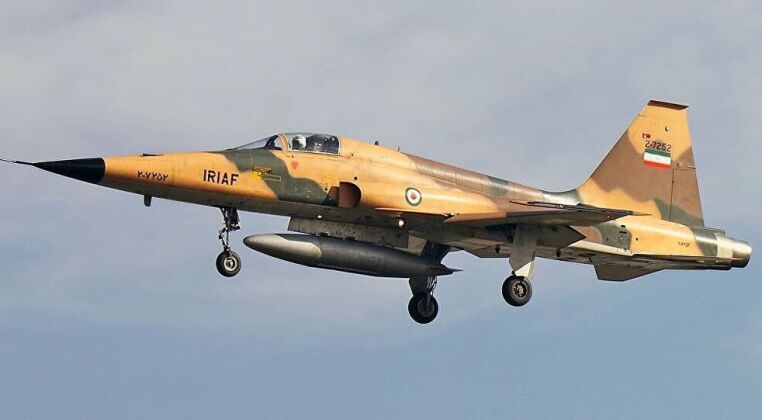
Although Iranian state media has widely publicised footage of F-4 and F-5 fighters taking off to participate in the war effort, after the U.S. initiated an assault on the country on February 28, little has been know regarding their roles. The F-5 is the most widely fielded fighter type in Iranian service, and forms the backbone of the fleet alongside the F-4, with five and six squadrons of the two respective types in service. The fighter is reported to have dropped bombs on Camp Buehring before returning safely to Iran. Typically for 1960s fighter designs, the F-5 lacks a precision guidance capability, which combined with its limited weapons payload requires the aircraft to either be deployed in large numbers, or to fly very low, to be able to engage ground targets effectively. The damage caused by the strike remains unknown. The attack may have been successful in forcing the U.S. to divert more resources, including fighter squadrons, to air defence duties, thus further limiting its capacity to launch attacks on Iran.
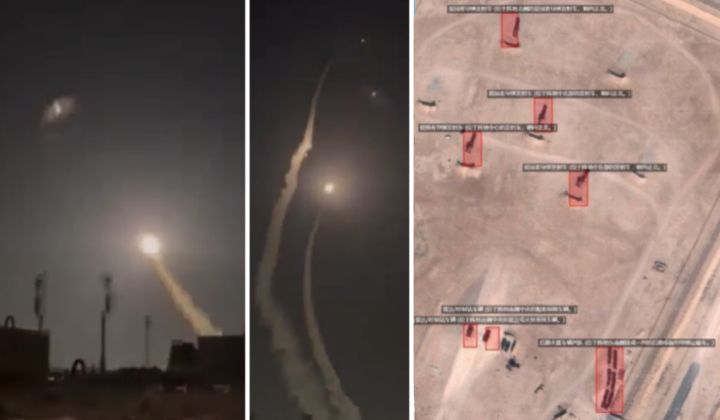
The ability of the F-5 to penetrate multiple layers of U.S. and Kuwaiti air defences has raised further questions regarding the viability of the Untied States’ forward force posture, not only in the Middle East but also more broadly worldwide. The Middle East is the only theatre where the U.S. faces no significant threat from modern fighter types, with the F-5 having no advanced electronic warfare systems to mask its presence, let alone stealth capabilities, making it far less challenging to detect and intercept than modern fighter types fielded by other potential adversaries such as China and Algeria. The fighter’s successful penetration strike is one of multiple significant scandals implicating U.S. and allied defences since the military assault on Iran began, with footage confirming the repeated failures of MIM-104 Patriot air defence systems relied on to defend forward facilities, including those in Kuwait, to halt even relatively basic Iranian missile attacks.
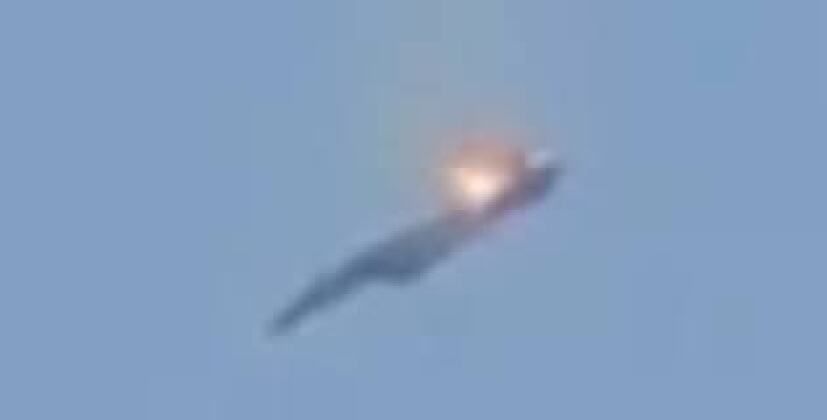
Iran’s penetration flight has lent greater credibility to U.S. claims that three U.S. Air Force F-15E long range fighters shot down over Kuwait were indeed lost to friendly fire, as reports of Iranian fighters launching bombing runs inside the country may have sowed confusion among Kuwaiti Air Force fighter units. The F-15s were reported to have been shot down by a Kuwaiti F-18 fighter using AIM-9 infrared guided air-to-air missiles, although analysts have widely raised questions regarding the veracity of these claims. Iraqi paramilitary groups have claimed responsibility for the shootdowns of the F-15s, which occurred near the Iraqi-Kuwaiti border, fuelling speculation that claims of friendly fire were fabricated to protect the reputations of the U.S. Air Force and the fighter type.
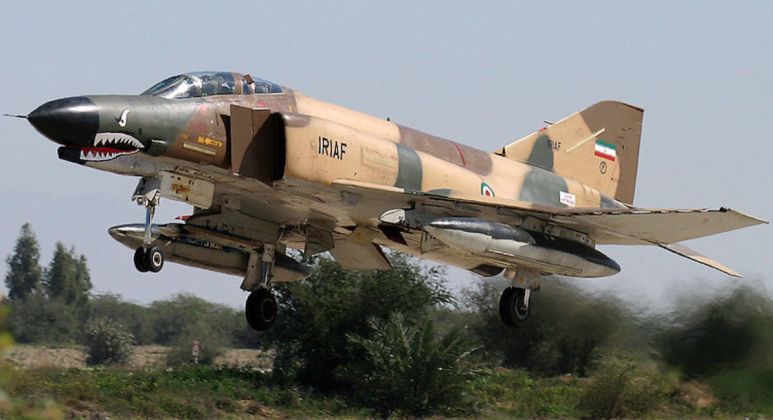
While the age of Iran’s fighter fleet has for decades led it to be discounted as a meaningful force in a possible engagement, the F-5’s demonstrated ability to launch penetration strikes may result in a reevaluation of such conclusions. Iranian F-4 fighters have notably been modified to launch a wide range of license produced Chinese designed air-to-surface and anti-ship missile types, raising the possibility that they could play an important role in future hostilities. Nevertheless the F-5 and other third generation fighter types have in other countries been more extensively modernised, with the Royal Thai Air Force F-5TH being a prime example, Iran has not implemented comparable modernisation for its own fleet. It has instead planned to replace its U.S.-supplied aircraft from the 1970s with modern Russian Su-35, and likely Su-57, ‘4+ generation’ and fifth generation fighters.
