
India to Make Emergency Purchases of 12 Su-30MKI and 21 MiG-29 Fighters to Counter China
Military Watch Magazine Editorial Staff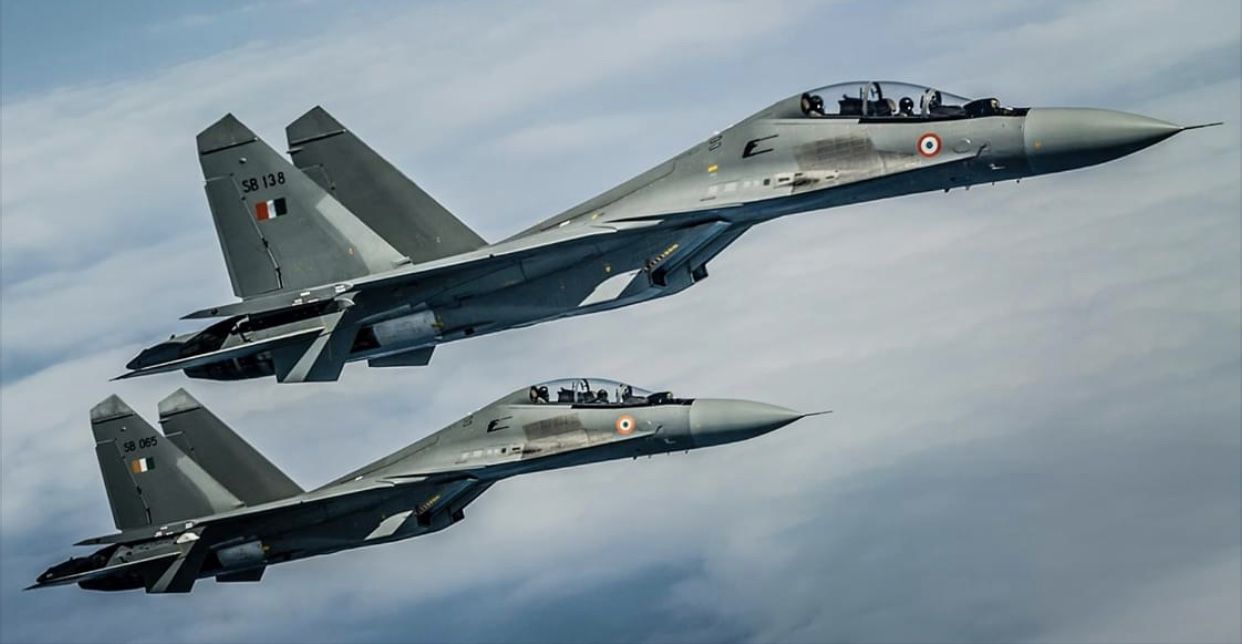
Indian Air Force Su-30MKI Heavyweight Fighters
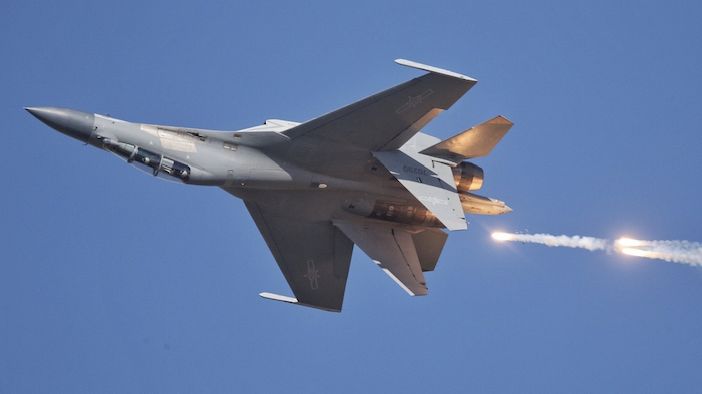
The Indian Defence Ministry announced plans on June 18th to make emergency purchases of 12 Su-30MKI and 21 MiG-29 twin engine multirole fighters from Russia, which will add to the sizeable fleets of over 250 and over 100 of the jets respectively currently in service. The purchase comes following clashes with Chinese forces in the Galwan Valley area, in which Indian sources reported that their forces took over 150 casualties to Chinese units. Clashes were reportedly initiated at the lower levels of the military and primarily occurred in hand to hand combat, and both Beijing and Delhi have moved to deescalate and reach a peaceful solution. India’s government has faced considerable public pressure to respond to the considerable losses, and a purchase of new fighters could help to offset this. The Su-30MKI is considered by far India’s most capable fighter, and is its only heavyweight platform in service. While China also fields Su-30 fighters, these are of the less capable MKK and MK2 variants and are not deployed under the Western theatre command which faces India. China has, however, deployed J-16 fighters near the Indian border which are from a similar weight range. The J-16 has a number of advantages over the Su-30, including access to longer ranged and more advanced PL-15 missiles, a lower radar cross section and integration of an active electronically scanned array radar rather than a passive one.
Orders for additional MiG-29 fighters follow previous orders for the same fighter class in February 2019. India was the first foreign client in the world for the jets placing its first order in 1982, and the medium weight aircraft were considered the most capable in the Indian fleet until the entry into service of the Su-30. MiG-29s in Indian service are considered among the most capable in the world, and integrate advanced sensors and electronic warfare systems and modern R-77 active radar guided missiles. The new order will bring the total fleet size to over 170 aircraft once fulfilled, and the fighters are notably popular because they can be delivered within a very short time period. Russia is thought to have over 100 unassembled MiG-29 airframes in storage and hundreds more assembled airframes in reserve - a result of the abrupt downsizing of its armed forces following the Soviet collapse.
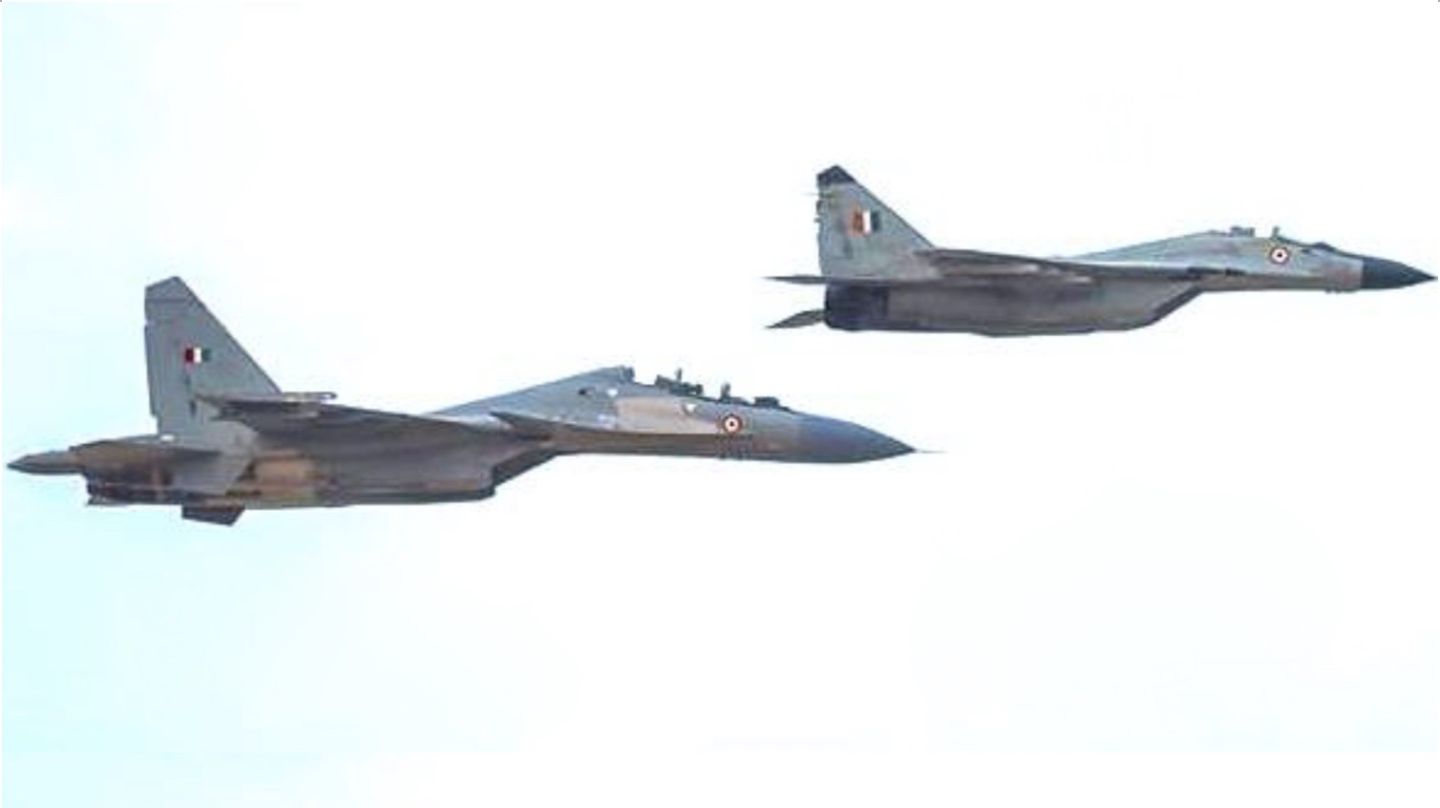
Unassembled MiG-29 airframes can be built and enhanced to a modern standard in a relatively short period. This has contracted starkly with India’s other provider of foreign fighter jets, with an order for 36 Rafale fighters placed in 2015 and the Air Force receiving its delivery only four later in 2019. Despite the Rafale being the only French fighter class in production, it is notably produced on a much smaller scale than the MiG-29 which not only undermines its cost effectiveness but has also meant that it takes several times longer to fulfil an order. India is expected to cease further orders for MiG-29 fighters in the near future and consider procurement of the MiG-35, a ‘4++ generation’ fighter from the same weight range. The MiG-35 entered service in the Russian Air Force in June 2019 and notably has a much lower operational cost than its predecessor. It is considered a far more credible threat than the MiG-29 to modern Chinese fighters such as the J-16, and has several significant performance advantages over the Rafale.
