
India Plans to Halt 101 Military Imports: Implications for the Country’s Defence Sector
Military Watch Magazine Editorial Staff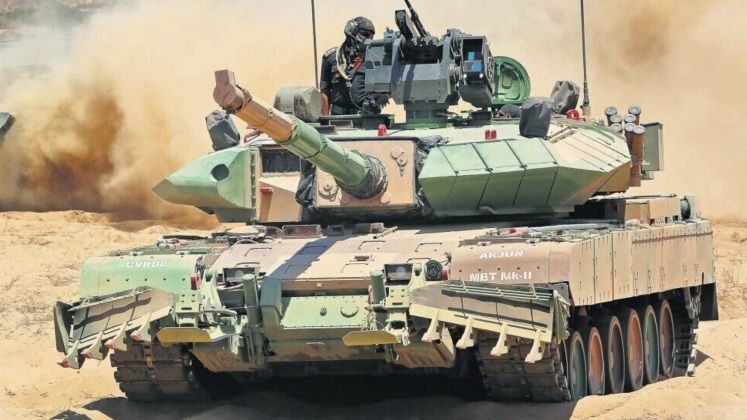
Indian Arjun Battle Tank
The Indian government plans to end the import of 101 types of military equipment to boost the country’s defence sector, reduce expenditures, and improve self-reliance in the face of growing perceived security threats. The plan was announced by Defence Minister Rajnath Singh, and is in line with the current administration’s call for reduced reliance on foreign suppliers in the military. India has often been ranked as the world’s top arms importer, rivalled only by Saudi Arabia which produces almost nothing for its own armed forces domestically, with China which was formerly a leading arms importer in the 1990s today ranked as one of the world’s top two arms producers in terms of both quantity and sophistication. The ban on arms imports will be progressively implemented between 2020 and 2024, with the Defence Minister stating regarding its purpose: “Our aim is to apprise the Indian defence industry about the anticipated requirements of the Armed Forces so that they are better prepared to realise the goal of indigenisation.” The list of embargoed items includes, among others, artillery guns, sonar systems, transport aircrafts and light combat helicopters - although higher end systems such as heavyweight fighter aircraft and long range air defence systems will still be imported.
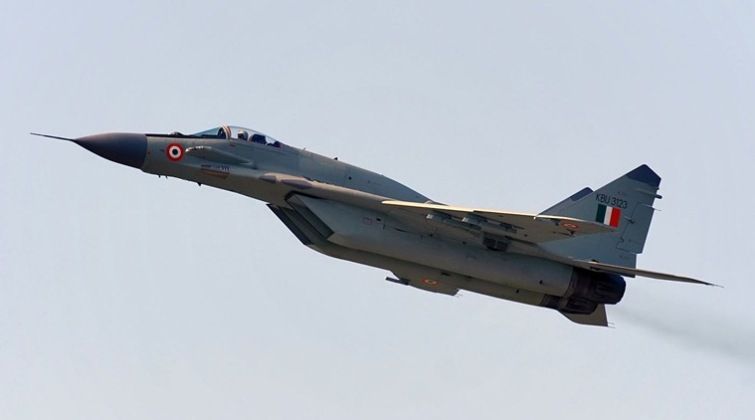
Small scale clashes with China’s armed forces in mid-June in the Ladakh region, which saw the Indian Army take approximately 150 casualties including over 20 killed, saw the country respond by requesting accelerated delivery of the Russian S-400 long range air defence system, ordering new 33 Russian fighter jets and paying for upgrades to 59 other fighters in its inventory - enhancing its MiG-29s to the MiG-29UPG standard. Plans to strengthen the indigenous defence sector are thought to also be part of the shift in priorities towards a stronger defence capability, although it has raised serious concerns among a number of experts as a lack of foreign competition could lead to standards slipping domestically. India has struggled to provide for its own defence needs in the past - its first aircraft carrier is over 5 years behind schedule and over 300% over budget, while its battle tank and fighter programs are over two decades behind schedule and the former has left much to be desired in its quality. Even the indigenous Tejas fighter, which was finally approved for deployment in 2019, was forced to rely on foreign engines, avionics, sensors and missiles to be at all viable, and is still far inferior to competing designs such as the MiG-29UPG. It remains to be see whether the defence sector’s performance record will improve, or whether it will further worsen, as a result of the new policy.
