
India’s Troubled New Aircraft Carrier Faces Further Delays: No INS Vikrant Before 2023?
Military Watch Magazine Editorial Staff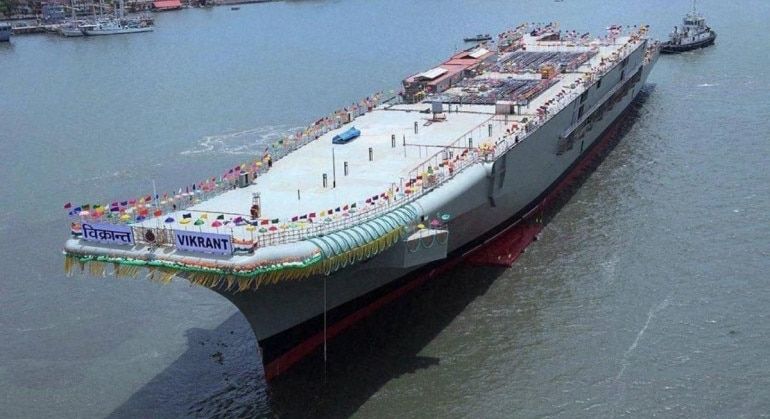
INS Vikrant Aircraft Carrier
India’s first domestically build aircraft carrier INS Vikrant has seen a further delay to the commencement of sea trials, according to senior sources in the Indian Navy. Citing the COVID-19 pandemic as the cause, sources indicated that this was likely to delay the commissioning of the troubled worship by at least six months. The INS VIkrant was expected to provide India with its second active aircraft carrier by the end of 2018 for a cost of juts $500 million, but catastrophic program mismanagement means it is unlikely to be commissioned before 2023 and is expected to cost well over $3.5 billion. The warships is lighter than India’s sole serving carrier, the INS Vikramlditya, which was laid down in the Soviet Union as a Kiev Class aircraft carrying cruiser and subsequently heavily modified in Russia. The Indian Navy formerly planned to field a fleet of three carriers by the latte 2020s, although issues with the Vikrant program are thought to have influenced the service to terminate plans for a more ambitious third carrier - the INS Vishal - the cancelation of which was reported in February.
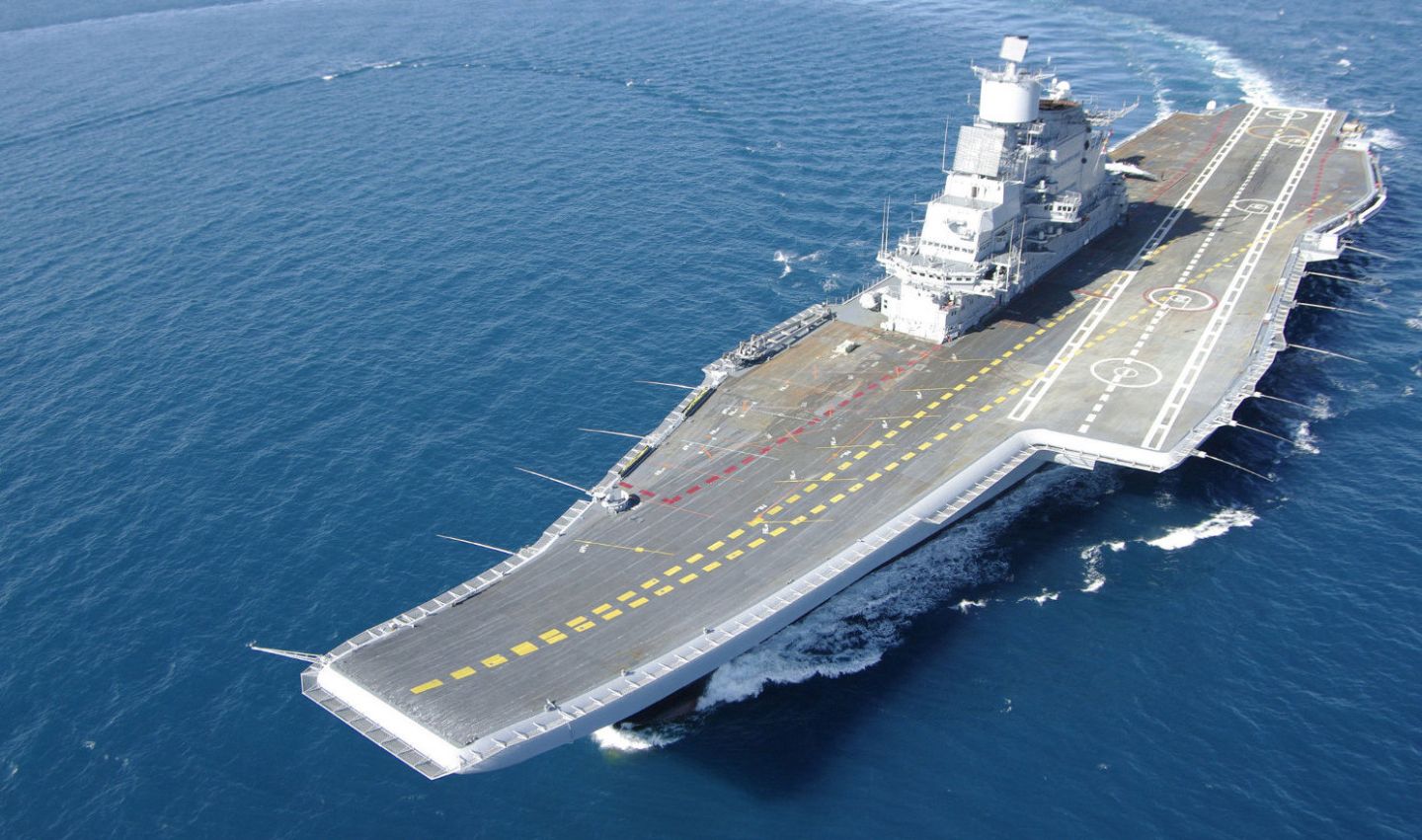
The INS Vikrant is a relatively light carrier displacing approximately 40,000 tons - a similar displacement to American Wasp Class and Chinese Type 075 Class assault carriers. The warship is expected to deploy a relatively small air wing of MiG-29K twin engine fighters, possibly accompanied by lighter Tejas single engine jets. With the Vikrant’s keel’s laid in 2009, the program has proven a major embarrassment with China expected to have seen through the complete construction of 5-6 carriers and assault carriers before India could launch a single much more modest ship. Despite issues with the Gerald Ford Class carrier program, American shipyards have also proven far more efficient in carrier construction. It remains uncertain whether India will reconsider restarting carrier construction, or whether the debacle of the INS Vikrant program will be sufficient to deter it from doing so for the foreseeable future.
