
India Approves $6.5 Billion Contract For 83 Indigenous Tejas Lightweight Fighters
Military Watch Magazine Editorial Staff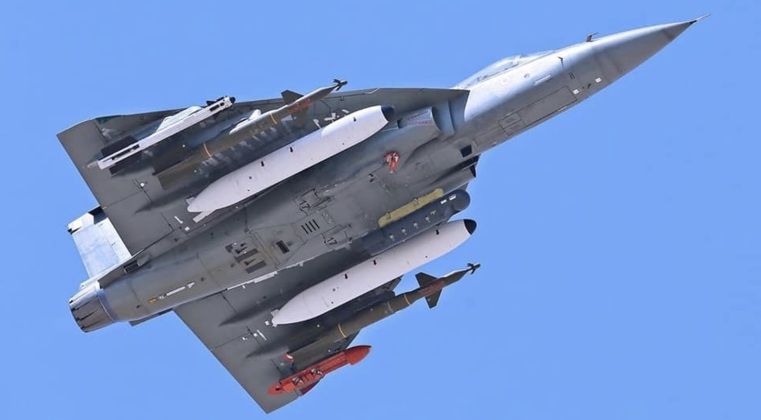
Tejas Lightweight Fighter
The Indian government has approved a $6.5 billion deal to purchase 83 locally manufactured Tejas MK1A lightweight fighter jets - the largest contract by a considerable margin ever signed for indigenous weaponry. The Times of India reported regarding the acquisition: “This deal will be a game-changer for self-reliance in Indian defence manufacturing… It would act as a catalyst for transforming the domestic aerospace ecosystem. The LCA-Tejas is going to be the backbone of the [Indian Air Force] fighter fleet in the years to come.” The Tejas is considered to be from the ‘very light’ weight range, and is smaller and has a weaker engine than more widely used light fighters such as the F-16 or J-10. Is is comparable in size and performance to the Swedish Gripen, the Pakistani JF-17 and the American F-20. Such fighters are designed to prioritise a low operational cost and low maintenance requirements and their weaker engines, although compromising flight performance, provide relatively long ranges despite a low internal fuel capacity.
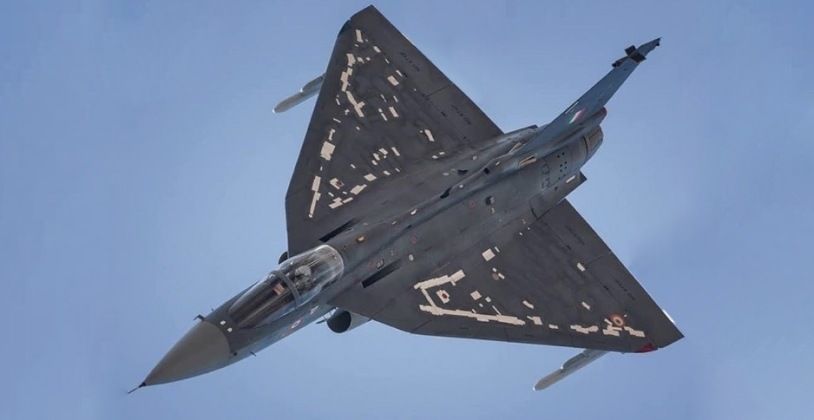
Although touted as an indigenous fighter, Indian components are restricted to making up approximately 50% of the Tejas. The most complex parts of the aircraft - most importantly the radar, electronic warfare suite and engine - are sourced from Israel and the United States, which is a major cause for the fighter’s very high acquisition cost. The relatively inefficient nature of production lines in India relative to those in more established manufacturers such as China or the United States are also largely to blame. Acquisition of large numbers of Tejas fighters notably follows India’s termination of the MMRCA tender for a new multirole fighter in 2020, in which the Gripen, F-16, MiG-35 and a number of other Western and Russian fighter designs had been contenders. The Tejas MK1A design benefits from slight improvements over the original Tejas MK1 - around 40 of which are already in service in the Indian Air Force. The fighters are expected to replace Cold War era single engine MiG-21 and MiG-27 fighters in frontline service over time.
