
Germany Expands Meteor Air-to-Air Missile Arsenal to Equip New F-35 Stealth Fleet
Military Watch Magazine Editorial Staff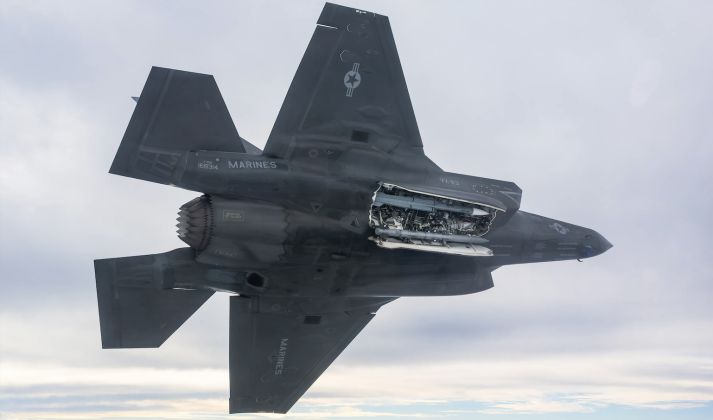
F-35B with Meteor Missile
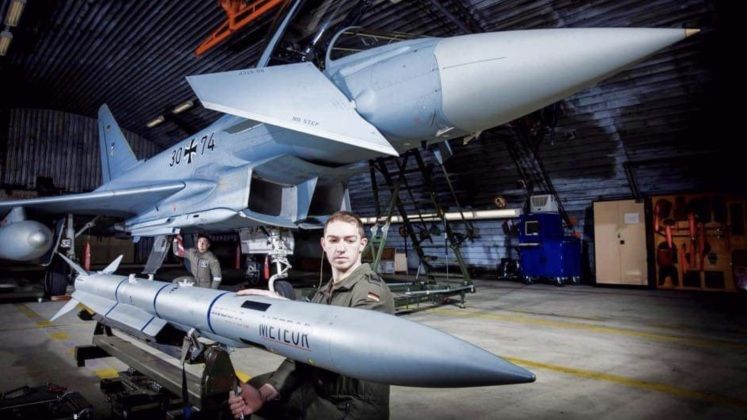
The German Defence Ministry has placed an additional order for Meteor active radar guided long range air-to-air missiles, which are expected to equip both its modernised Eurofighter fourth generation combat jets, and its F-35A fifth generation fighters that have yet to begin deliveries. The missile’s primary developer MBDA reported that the order was placed through the Meteor Integrated Joint Programme Office, and follows a year of further testing and investment activity across the program in 2025. The Meteor is the first European active radar guided missile to be considered broadly on par with its most capable non-European counterparts, although its ability to fully match the performances missiles such as the American AIM-260 and Chinese PL-16 remains in question.
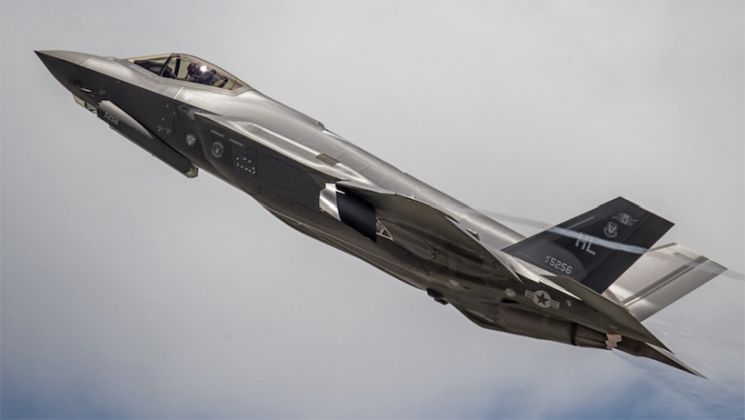
A defining feature of the Meteor is its ramjet propulsion system, which allows it to maintain high thrust throughout its flight, making it more difficult to evade than older air-to-air missile designs. The missile has already been integrated onto Eurofighter, Rafale, and Gripen fighter units, and is currently being tested for integration onto the F-35. Commenting on the German Defence Ministry’s new order, MBDA Chief Executive Officer Eric Beeanger stated that this reflected sustained confidence in the Meteor’s performance. “Meteor is a defining example of the strength of multinational collaboration in delivering world-leading defence capabilities… This latest contract from Germany, one of the missile’s development partners, reflects continued confidence in a programme that unites cutting-edge technologies from six European nations, through a unique partnership led by MBDA, to deliver a common decisive military capability,” he observed.
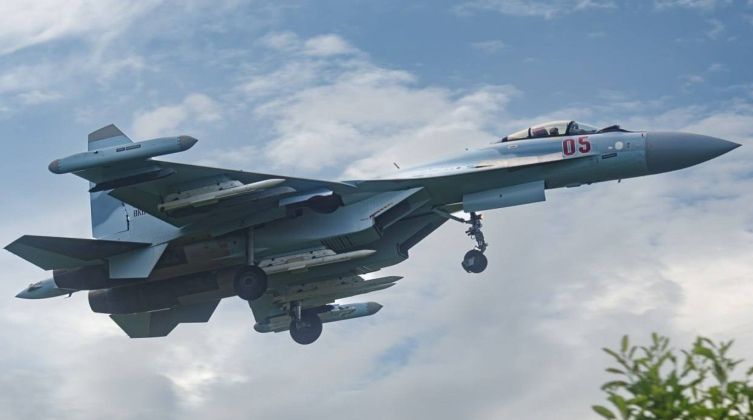
Although the Meteor has been marketed as a revolutionary new development for fighter aviation, the underperformance of Indian Rafale fighters equipped with the missiles, which were reportedly outperformed by Pakistan’s Chinese supplied J-10C fighters carrying the PL-15, has raised questions regarding whether the European design is as capable as has been advertised. Although the Meteor was previously expected to provide European fighter units with a distinct advantage over their Russian counterparts, the service entry of the R-77M air-to-air missile in the Russian Aerospace Forces has significantly narrowed if not completely bridged the gap in beyond visual range targeting capabilities. Russia’s fast expanding fighter fleet is expected to begin to widely field the R-77M, which makes it urgent that Meteors begin to be fielded in greater numbers at a time of high tensions in Europe.
Unlike the United Kingdom, which permanently shelved plans to purchase further Eurofighters, and is set to continue to withdraw them from service while prioritising procuring the F-35A, or France which at the other extreme has made no investments in the F-35 and exclusively procured the domestically produced Rafale fighter, Germany has compromised between supporting local industry, and maximising the capabilities of its fleet. It has thus simultaneously placed orders for both the Eurofighter and the more capable and cost effective F-35. Twenty new Tranche 5 Eurofighters ordered on October 15, 2025, for approximately €3.75 billion ($4.4 billion), will integrate modern AESA radars allowing them to make effective use of the missiles, although their situational awareness will still be significantly more limited than that of the F-35, which integrates a more powerful radar, superior data links, and an unparalleled array of passive electronic sensors. It was announced days later that orders for the F-35A were also being expanded by 15 aircraft under a $2.9 billion order.
