
China Wins Its Largest Ever Fighter Export Deal: Pushing U.S., Russian and Korean Competition Out of Indonesia
Military Watch Magazine Editorial Staff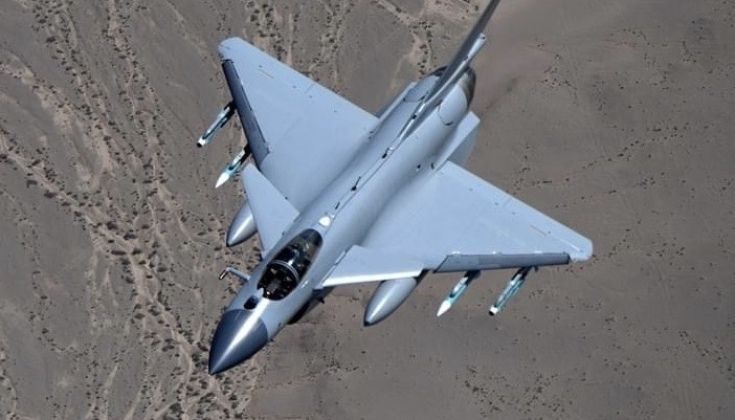
Chinese PLA Air Force J-10C Fighter
China’s fighter industry on October 16 was confirmed to have made its largest ever breakthrough into international markets, after multiple high level Indonesian government sources, including Defence Minister Sjafrie Sjamsoeddin, announced a decision to procure J-10C fighters. The prestige of the Chinese combat aviation sector has grown considerably over the past decade, particularly after the country became the second in the world to bring an indigenous fifth generation fighter into service in 2017 with the operationalisation of the J-20. This prestige grew considerably further over the past year, both after the country became the first to unveil a sixth generation fighter at flight prototype stages in December, of which it currently has three separate designs flying, and as the J-10C was reported by multiple sources to have achieved overwhelming victories in Pakistani hands in May against Indian Air Force Rafale fighters.
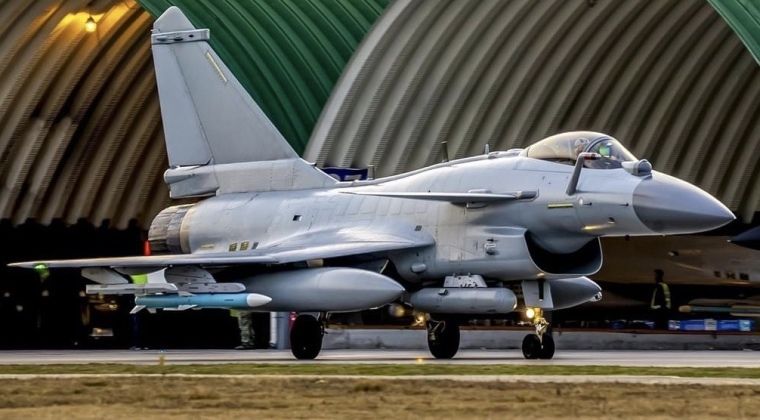
China is currently positioned to lead the world by several years in bringing sixth generation fighters into service, with the prestige of its fighter aviation industry, and foreign demand for its combat jets, expected to continue to grow. Alongside Pakistan and Indonesia, unconfirmed reports have indicated that both Egypt and Sudan have placed orders for the J-10C, and that the fighter is currently under serious consideration for procurement by both Uzbekistan and Bangladesh. At the lower end, the lightweight JF-17 Block 3 has also gained growing foreign interest after large scale orders were placed by Azerbaijan and Pakistan. Indonesia’s selection of the J-10C nevertheless stands out due to the intensity of the competition from the West, Russia and South Korea to penetrate the country’s markets, as well as for the sheer scale of the deal. At a time when strategic ties between Beijing and Jakarta are growing rapidly, it also raises the possibility that Indonesia will plan further procurements of Chinese equipment including more capable fighter aircraft in future.
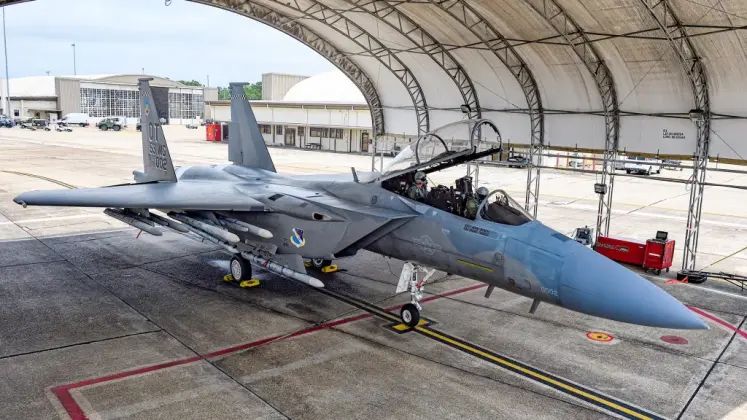
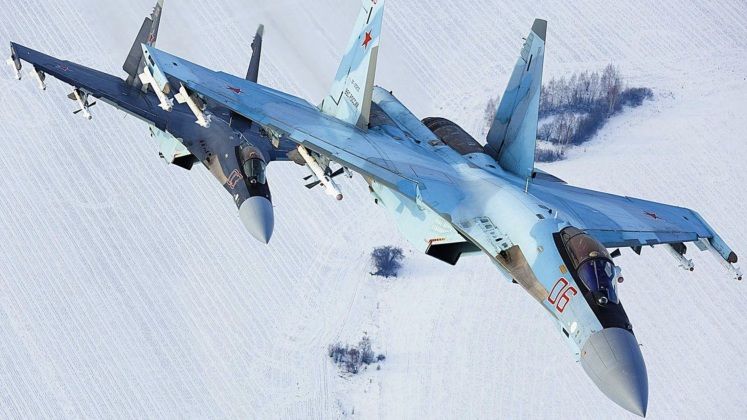
The J-10C can be delivered significantly more quickly than the F-15 or other Western fighters could, with the U.S. Air Force and Israeli Air Force themselves struggling with major delays to production. While the United States was highly unlikely to provide Indonesia with access to the latest missile types such as the AIM-260, in part in order to ensure a qualitative military edge for neighbouring Australia and Singapore, China has consistently offered its most capable air-to-air missiles abroad. J-10Cs equipped with enhanced variants of the PL-15 air-to-air missile are expected to have a significant advantage in air-to-air combat compared to downgraded variants of the F-15EX. The only outstanding shortcoming of the Chinese fighter remains its relatively short range, which while significantly longer than those of the F-5 and F-16 that it will be replacing, is still much shorter than the Su-27s and Su-30s Indonesia currently fields or than the Su-35 or F-15. The vastness of Indonesian territory makes this a significant drawback. The much lower operational and lifetime costs of the J-10C than all of these aircraft, however, allows them to be fielded in much larger numbers and distributed across Indonesian territory. The fighters are also capable of aerial refuelling and of carrying external fuel tanks to further extend their ranges.
