
For Western Countries Only? Pentagon Set to Refuse Japanese Request for F-35 Partner Status Despite Massive Order
Military Watch Magazine Editorial Staff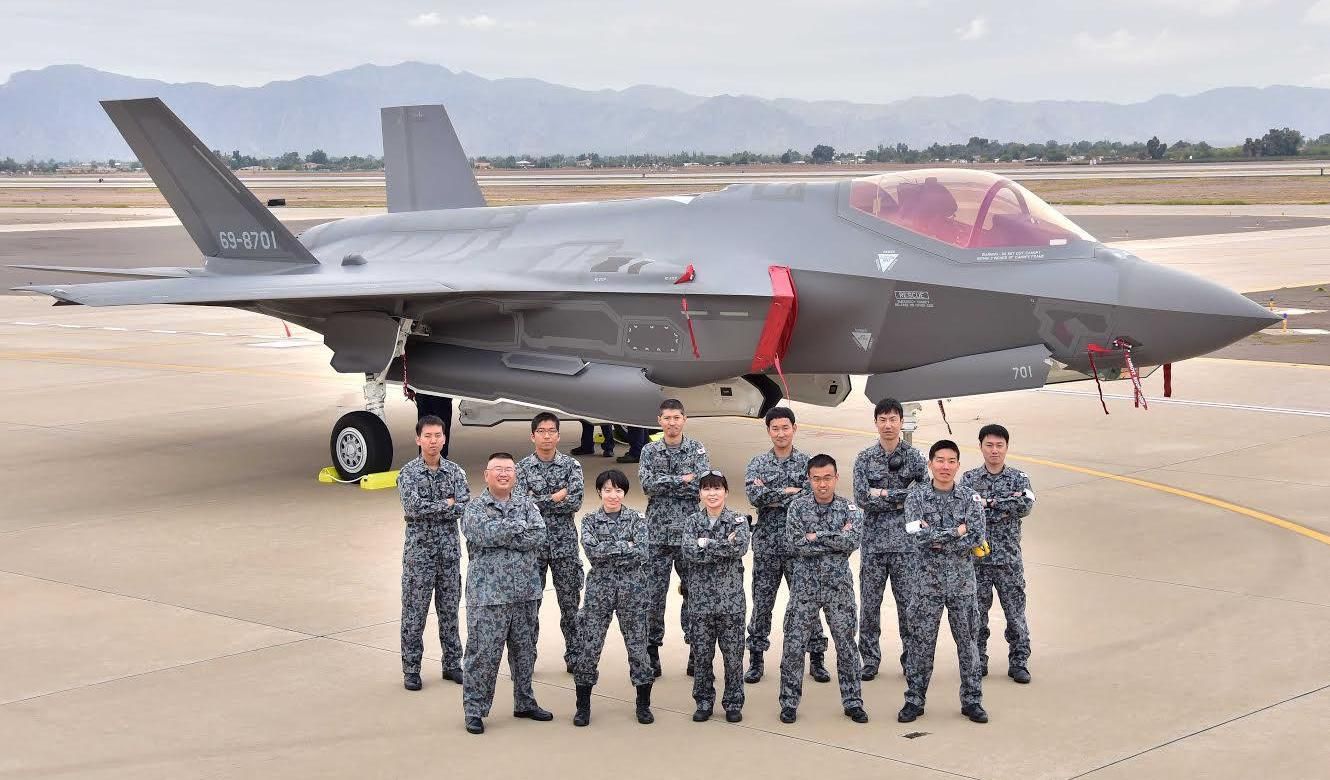
Japanese Air Force F-35 Fifth Generation Fighter
Japan’s armed forces have emerged as the largest foreign client for Lockheed Martin’s F-35 lightweight fifth generation fighter, and is planning to acquire 147 aircraft including 105 F-35A variants and 42 of the more expensive vertical takeoff capable F-35B variants. This will make Japan the largest foreign operator of the F-35A by a considerable margin, and represents a massive investment in the program by the northeast Asian state. Despite the size of its acquisition, Japan notably is not a partner in the F-35 program meaning it does not play a role in designing or have a say in the modernisation of the jet - and instead is considered an external client. On June 18th director general of the Japanese Defence Ministry’s the Bureau of Defence Buildup Planning Atsuo Suzuki reportedly sent a letter to the Pentagon’s head of acquisitions Ellen Lord requesting that Tokyo become a full partner in the fighter program. The letter states:
I believe becoming a partner country in F-35 program is an option. I would like to have your thoughts on whether or not Japan has a possibility to be a partner country in the first place. Also, I would like you to provide the Ministry of Defence with detailed information about the responsibilities and rights of a partner country, as well as cost sharing and conditions such as the approval process and the required period… We would like to make a final decision whether we could proceed to become a partner country by thoroughly examining the rights and obligations associated with becoming a partner country based on the terms and conditions you would provide.
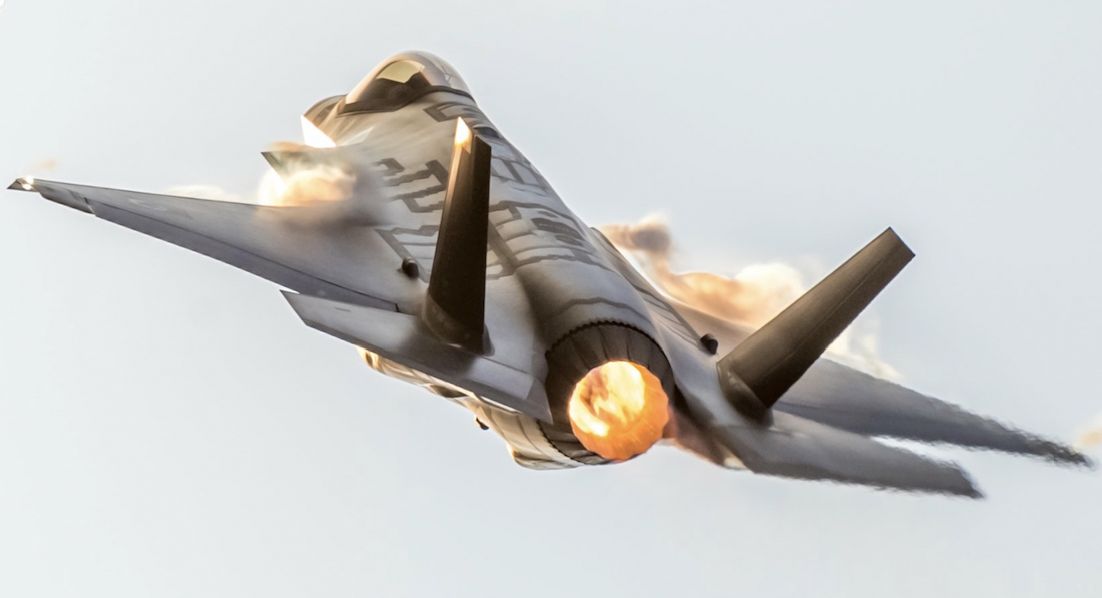
It is notable that the F-35 program’s partners are exclusively Western states, namely the United Kingdom, Australia, Canada, and a number of European countries - many with acquisitions a fraction of those of Japan. Non-Western clients for the fighter include Japan, South Korea, Israel and Singapore. Belgium’s extremely small order and late interest in the program, signing its first contract only in 2018, has also relegated it to a client status. U.S. Vice Admiral Ret. Mat Winter, the head of the Joint Program Office, reportedly supported Japan’s participation in the program as a full partner, stating: “You now lost a partner in Turkey, so there is a vacant parking space, so to speak. And other than the U.S. services, [Japan] will be the one nation with the most F-35s… Ultimately, the Department of Defence, in coordination with the State Department, made up the rules. The Department of Defence can change the rules.”
While members for F-35 cooperative partnership officially closed on July 15th 2002, Japan at that stage was reportedly planning acquisitions of the heavier and more capable F-22 Raptor. This was part of a long tradition of acquiring heavyweight high end combat jets from the United States which were specialised for air superiority - following on from the F-4E Phantom II and F-15C Eagle which were the F-22’s respective third and fourth generation predecessors. As Japan never acquired the F-5 Tiger II or the F-16 Fighting Falcon, the predecessors of the F-35, it was not expected that the country would purchase the lighter American stealth jets until the late 2000s. Arguably, if the United States had not refused to sell Japan the F-22 Raptor, the country would have been the fighter’s prime overseas operator and would thus have made a considerably smaller order for the lighter and less specialised F-35. Thus Japan’s inability to meet the 2002 deadline was arguably due to the unexpected export restrictions put in place by the United States Congress, rather than the East Asian state’s lack of interest in early acquisitions of American stealth fighters.
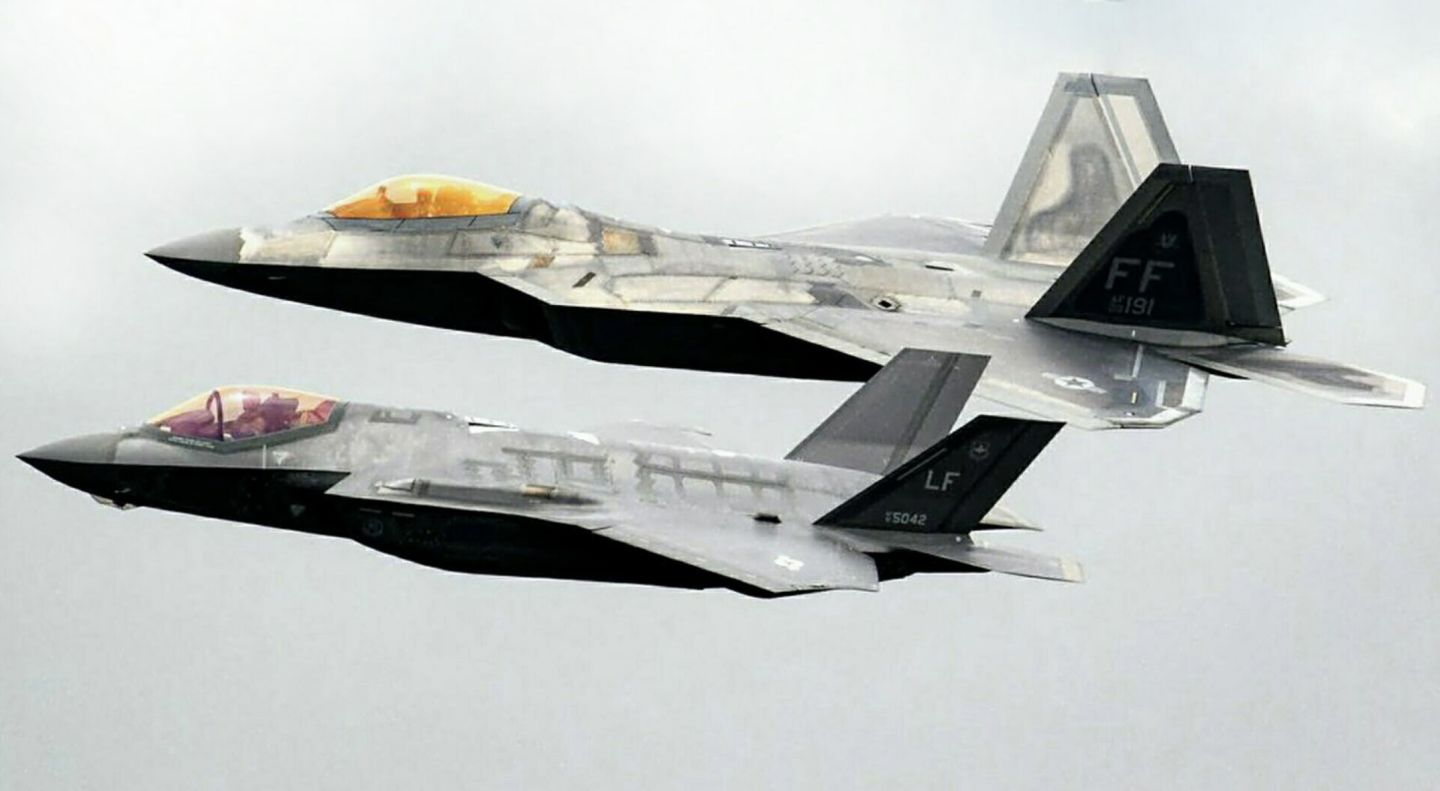
A number of sources have observed that the United States is cautious about sharing the F-35’s technologies with states outside the NATO and Five Eyes alliance systems, and thus outside the Western world, or to allow such states a say in the future of the F-35 program and how the fighter may be modernised. Indeed, fears that Israel would compromise the fighter led to the state’s participation in the program being put on hold until 2006. The official pretext for excluding Japan from the program, however, is that the country missed the deadline to apply for a full partner status, and that allowing it to participate will lead to other states such as Singapore, South Korea and Israel also requesting a partner status. Japan’s particularly large order, however, according to some officials ought to afford it a special status - particularly considering the circumstances under which the country came to place a large purchase and the only gradual laxing of constitutional restrictions on defence spending due to reinterpretation. Japan was thus arguably unable to become a full partner as early as 2002.
The Japanese letter to Pentagon acquisitions chief Ellen Lord noted regarding the country’s interest in partner status reportedly implied that Japan would be willing to take on additional costs to gain this, acknowledging that: “partner countries share significant costs.” Regarding the benefits of partnership, it stated: “There are various merits in participating in continuous capability development and delivery deliberation process by partner countries. In addition, there is a further need to obtain flight safety information for accountability to the public… I understand that partner countries are allowed to join (the F-35's Executive Steering Board), to be involved in capability improvement, to dispatch their personnel to JPO (Joint Program Office), to participate in parts production and to access further information.” By emphasising the need to obtain flight safety information, the letter appears to capitalise on the recent crash of an F-35A in April 2019 as explaining the need for partner status in the program.
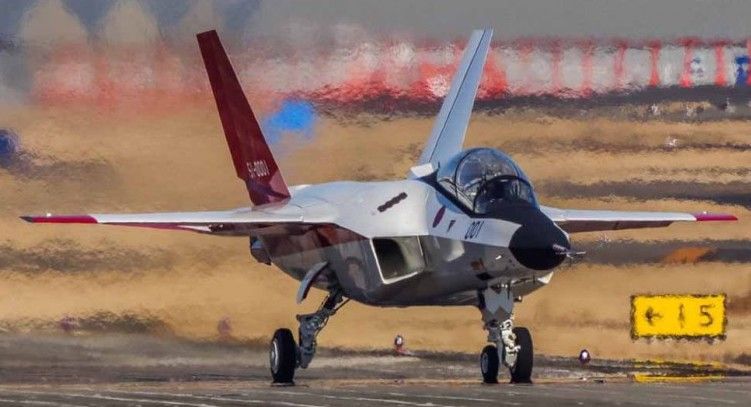
Ultimately whether the United States will allow Japan partner status in the F-35 program, or even allow it some say in the future direction of the program, remains uncertain. The offer of further funds, new technologies and possibly an even larger purchase could be seen as highly beneficial for the program as a whole, particularly as the U.S. Air Force’s annual purchases for the aircraft appear to have fallen in the past year, expected sales of over 100 fighters to Turkey have been terminated and sales to Britain and Italy are expected to be cut due to economic difficulties in both states. With Japan itself developing an indigenous fifth generation combat jet, reportedly specialised in air superiority to compensate for the F-35’s shortcomings in the field, providing the country with full partner status in the F-35 program could incentivise it to look away from indigenous development and focus more on acquiring the American jets.
