
Fears F-35 Fell Into Chinese or Russian Hands as Japan and U.S. Announce Failure to Locate Missing Stealth Jet
Military Watch Magazine Editorial Staff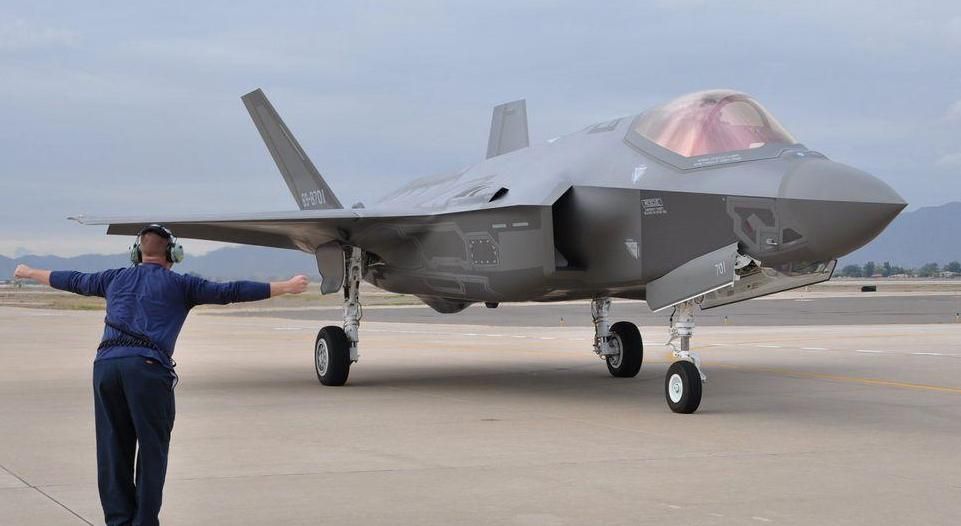
Japanese Air Self Defence Force F-35A Stealth Fighter
A month after the disappearance of a Japanese Air Force F-35A fifth generation stealth fighter at sea in April 2019 135km off the east coast of Aomori prefecture in the Pacific, the navies of Japan and the United States have called an end to their efforts to find the aircraft - reportedly locating only fragments of the jet’s tail fins and flight data recorder despite a highly thorough search. Upon its disappearance, it was widely speculated that Chinese and Russian assets would attempt to recover the fighter - with the navies of both countries maintaining a strong presence in the northern Pacific. The incident represented the second loss of an F-35 to an accident and the first loss of an F-35A, which given the scale on which it was operated reflected the stealth fighter’s excellent safety record relative to its predecessors in the fourth generation. The loss of an aircraft at sea thus presented a very rare opportunity for potential U.S. adversaries to acquire an F-35 for study.
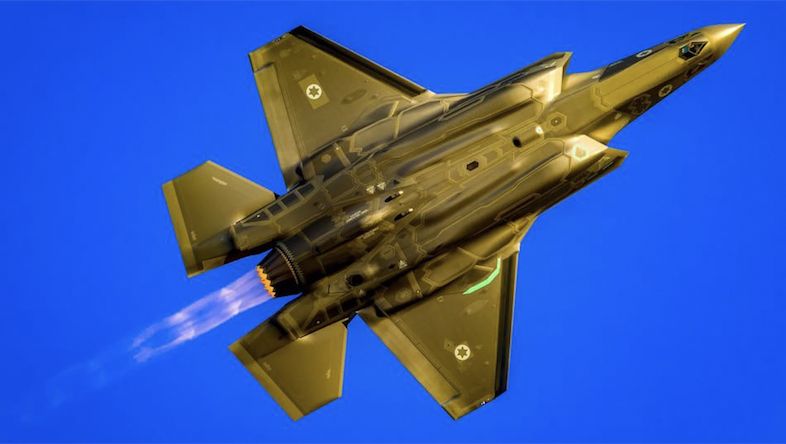
The cause of the F-35A’s crash remains a mystery, with the flight data recorder critically damaged and the fighter’s transponder also mysteriously failing. Attempts by the U.S. Navy to use a towed Pinger Locater 25, a device specifically designed to detect pings from the F-35's emergency systems up to 7.7km under the sea also failed, leading to speculation that the aircraft may have already been recovered by a third party. Japanese media reports indicated that the F-35’s security may have been compromised, with the possibility raised that the plane’s oxygen system could have been interfered with by electronic attack. The highly unusual behaviour of 41 year old veteran pilot Majour Akinori Hosomi further fuelled such speculation. Should a third party have been involved in causing the crash, it would offer an explanation as to the fighter’s disappearance - with such a party having time to prepare for the recovery of the aircraft before U.S. and Japanese assets could carry out their search. The possibility of a defection, with the pilot intentionally disabling the transponder, has also been raised - though there remains little evidence to support any such conclusions.
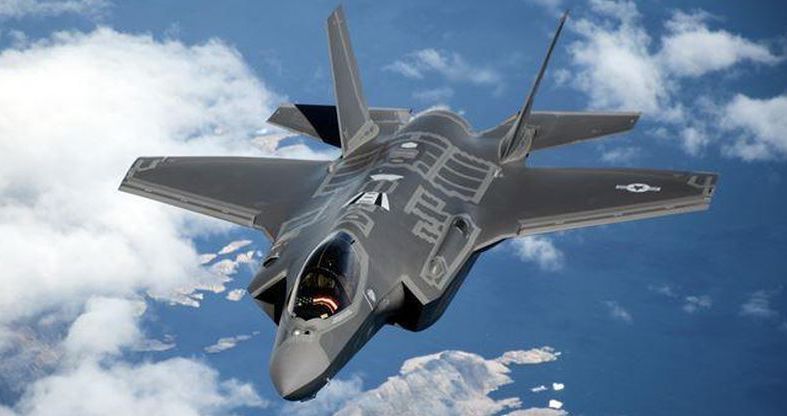
When interviewed regarding the potential risks of the F-35’s loss and the possibility that either Russia or China could recover the aircraft, retired U.S. Air Force Lt. General David Deptula stated “bottom line is that it would not be good…. There is no price too high in this world for China and Russia to pay to get Japan’s missing F-35, if they can. Big deal.” With the stealth platform developed under by far the most expensive weapons program in global military history, estimated at over $1.5 trillion, the opportunity to study the F-35 is invaluable - both for the potential value of reverse engineered technologies but also more importantly for the ability to develop more suitable countermeasures. With over 3000 F-35 aircraft set to be manufactured, the vast majority of the F-35A design, the American stealth fighter will likely play a central role in any major war by the Western Bloc or its partners against either Russia, China or their own allies. The value of gaining a better understanding of the fighter, which is expected to remain in service into the 2060s, therefore remains extremely high. While may of the F-35’s technologies are already known to have been comprised by Chinese hackers, who obtained terabytes of data from the United States on the stealth program, the U.S. for its part has continued to take extensive measures to deny potential adversaries access to the fighters. This in 2018 included denying Taiwan the F-35B vertical landing capable stealth jets it had requested - for fears that they could fall into the hands of the Chinese People’s Liberation Army either through espionage or through cross straits reunification.
