
Footage Shows Russia Building Massive Fortified Hangars to Protect Tu-160 Strategic Bombers
Military Watch Magazine Editorial Staff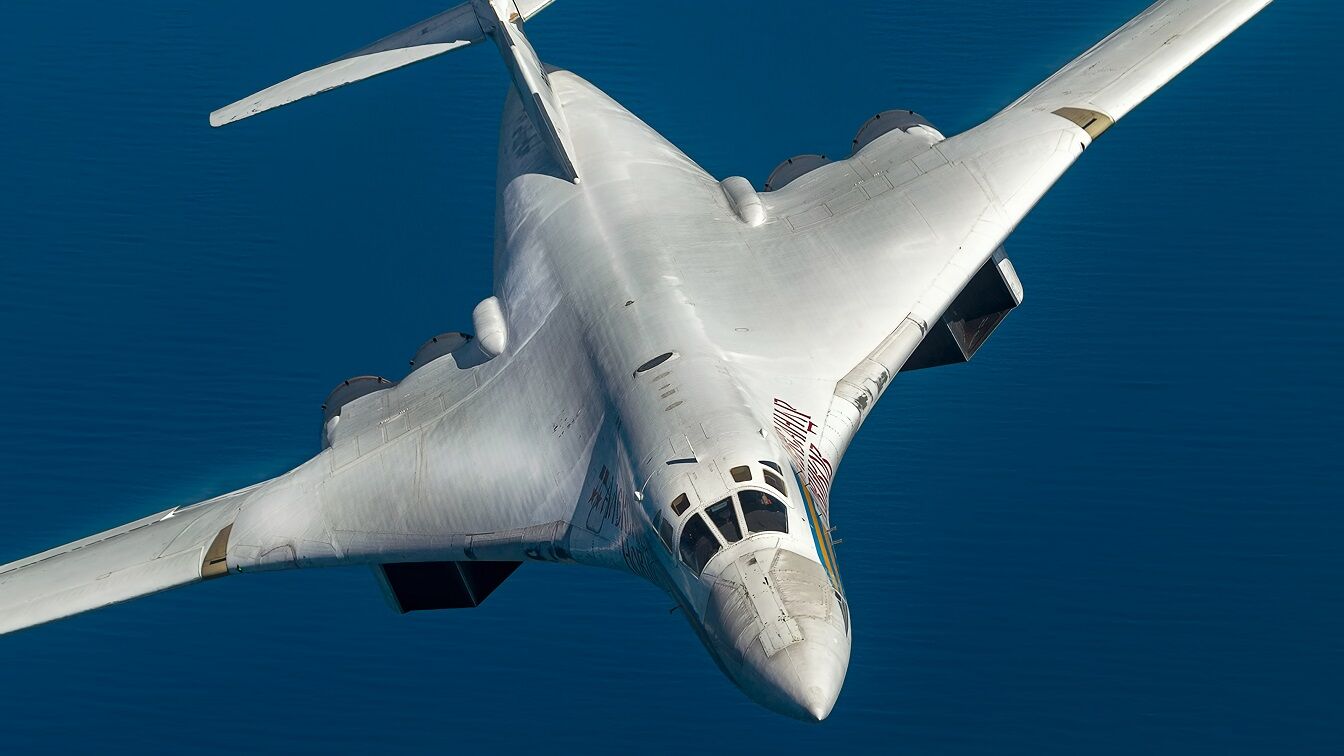
Russian Aerospace Forces Tu-160 Bomber
Russia is nearing completion of a major program to construct new aircraft hangars at Engels-2 Air Base, one of the most important facilities supporting the country’s strategic bomber force. Satellite imagery and photographs circulated by Russian and Ukrainian sources indicate that several large structures are gradually approaching their final configuration, potentially providing substantially greater protection for bombers against drone or missile attacks. The new hangars have approximate dimensions of 63 by 63 metres. Their side walls are reportedly around seven metres high, while the maximum height of the structures reaches approximately 17 metres, making them large enough to accommodate Russia’s heavy bombers.
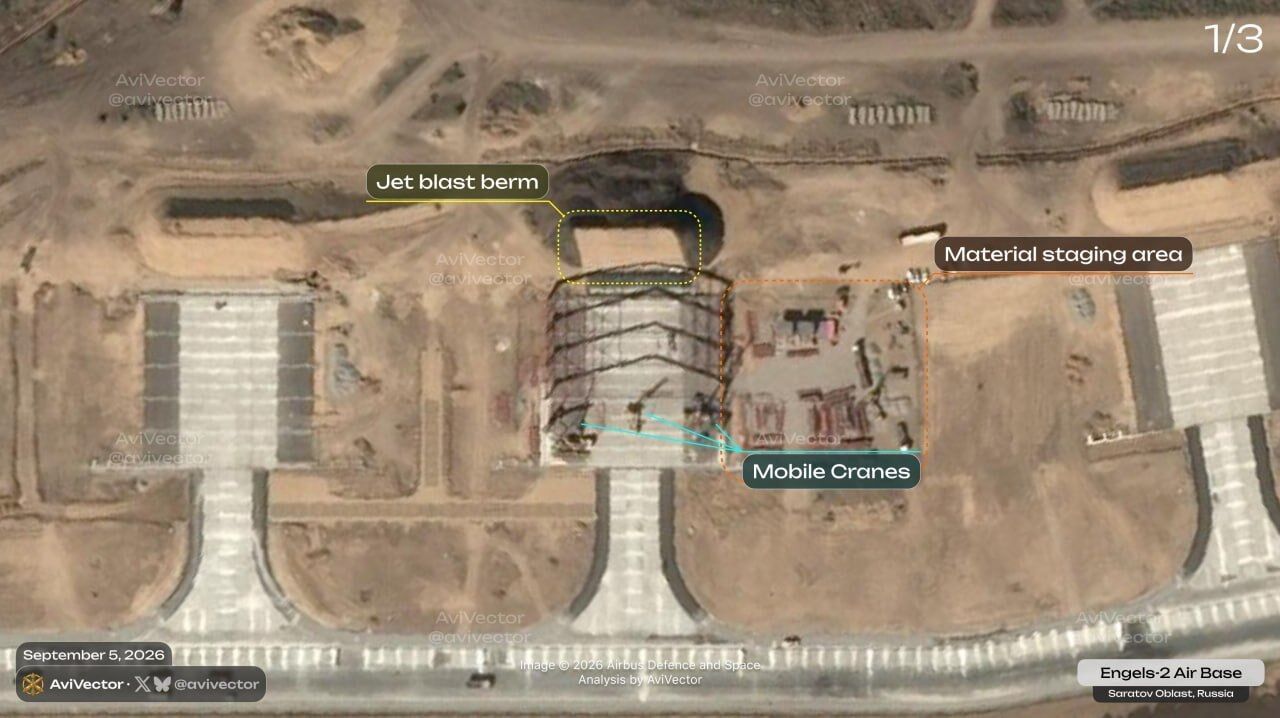
Engels-2 is home to Russia’s Tu-95MS and Tu-160 strategic bombers, and has become one of the most important targets for Ukrainian long-range drone attacks since the beginning of the war. The configuration of the new structures reportedly provides evidence that they are intended for operational use rather than simply functioning as warehouses. Protective barriers positioned behind the shelters are reportedly designed to deflect the exhaust produced by bomber engines during engine-running operations. The presence of dedicated taxiways leading directly to the structures provides additional evidence that aircraft will be able to enter and leave them under their own power.
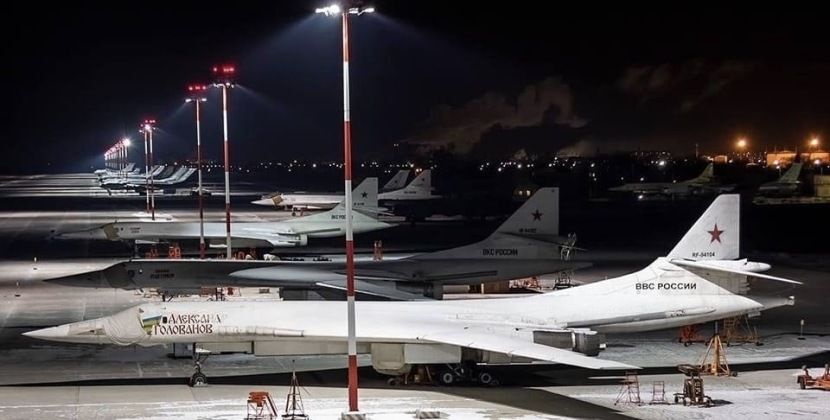
While a conventional storage building can protect an aircraft from weather and provide some degree of concealment, but a purpose-built aircraft shelter connected directly to the airfield’s taxiway network can become part of normal flight operations. Bombers can potentially be serviced and prepared inside the protected structure before being moved onto the runway for launch. A 63-by-63 metre footprint provides almost 4,000 square metres of floor space per structure, although the usable area would be reduced by structural supports, equipment and other internal installations. Such dimensions are consistent with the requirements of very large aircraft such as the Tu-95MS and Tu-160, which are considerably larger than conventional tactical combat aircraft.
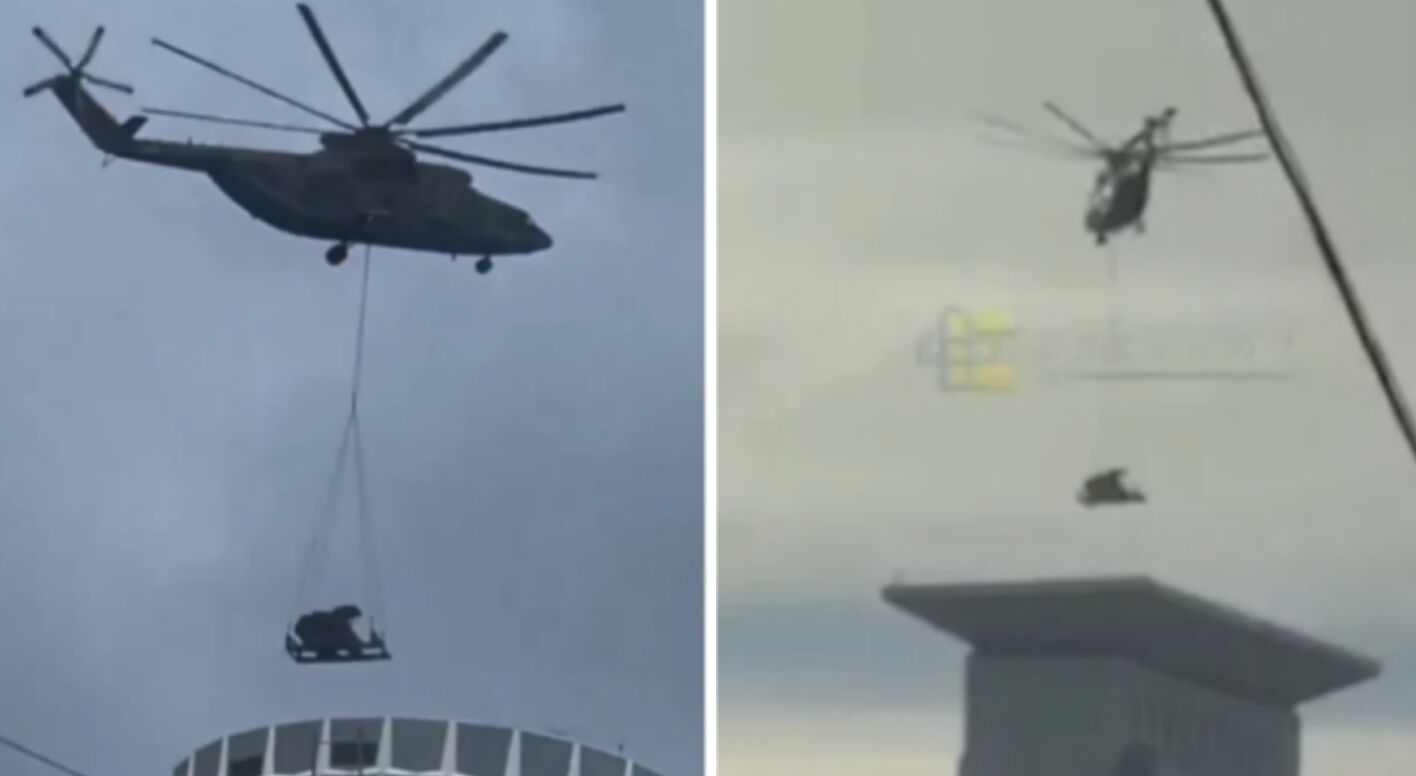
Ukraine launched its most significant attack on Engels-2 in December 2022, when a drone attacked damaged aircraft and caused casualties. Subsequent attacks have concisely failed to damage bombers at the facility, but have destroyed surrounding infrastructure. The construction of fortifications is part of broader Russian efforts to strengthen the defences of key targets against drone and missile attacks, with the deployment of air defences, including low level systems well suited to drone defence, having been widely observed. Attack helicopters have also taken on an increasingly central role in drone defence operations.
