
Russian Forces Receive New Batch of Pantsir Air Defence Systems to Counter Expanding Drone Attacks
Military Watch Magazine Editorial Staff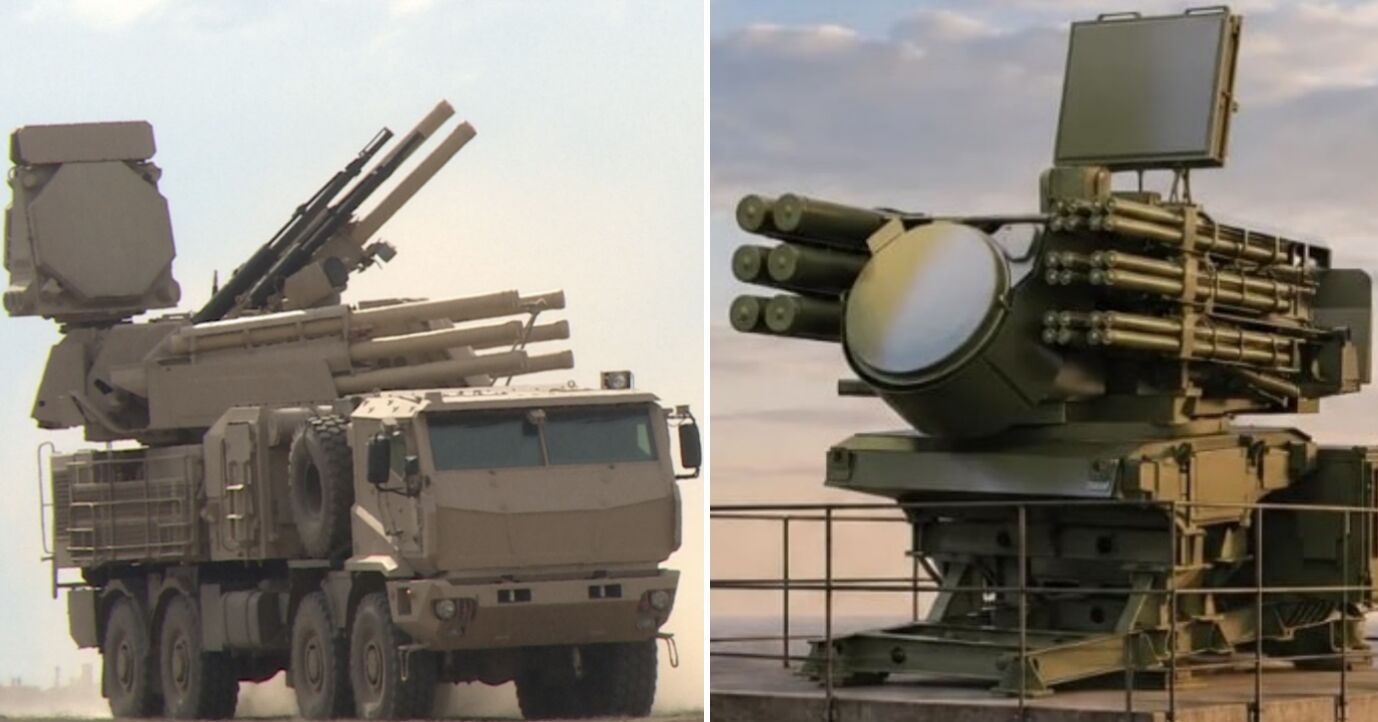
Pantsir Combat Vehicle (left) and Patnsir-SMD Stationary System
Russia’s state defence conglomerate Rostec has delivered a new batch of Pantsir-S air defence combat vehicles and stationary Pantsir-SMD air-defence systems to the Russian Ministry of Defence. The systems were produced by Rostec’s High-Precision Systems holding and have reportedly completed the required testing before being accepted into service. Their delivery comes as the the rapid expansion of drone attacks launched from Ukraine has significantly increased demand for the systems, which are increasingly relied on to protect military installations, industrial facilities and other strategically important targets from drone attacks.

The Pantsir family has become one of Russia’s principal short-range air-defence systems. It combines surveillance and tracking radars with surface-to-air missiles and automatic cannon armament, allowing it to engage a wide range of airborne threats at relatively short distances. The system was originally developed to protect fixed sites and longer-range air-defence systems such as the S-400 from low-flying aircraft, helicopters and precision-guided weapons. As small drones and loitering munitions have played an increasingly central role in the Ukrainian theatre, Patnsirs have been particularly well suited to countering them.
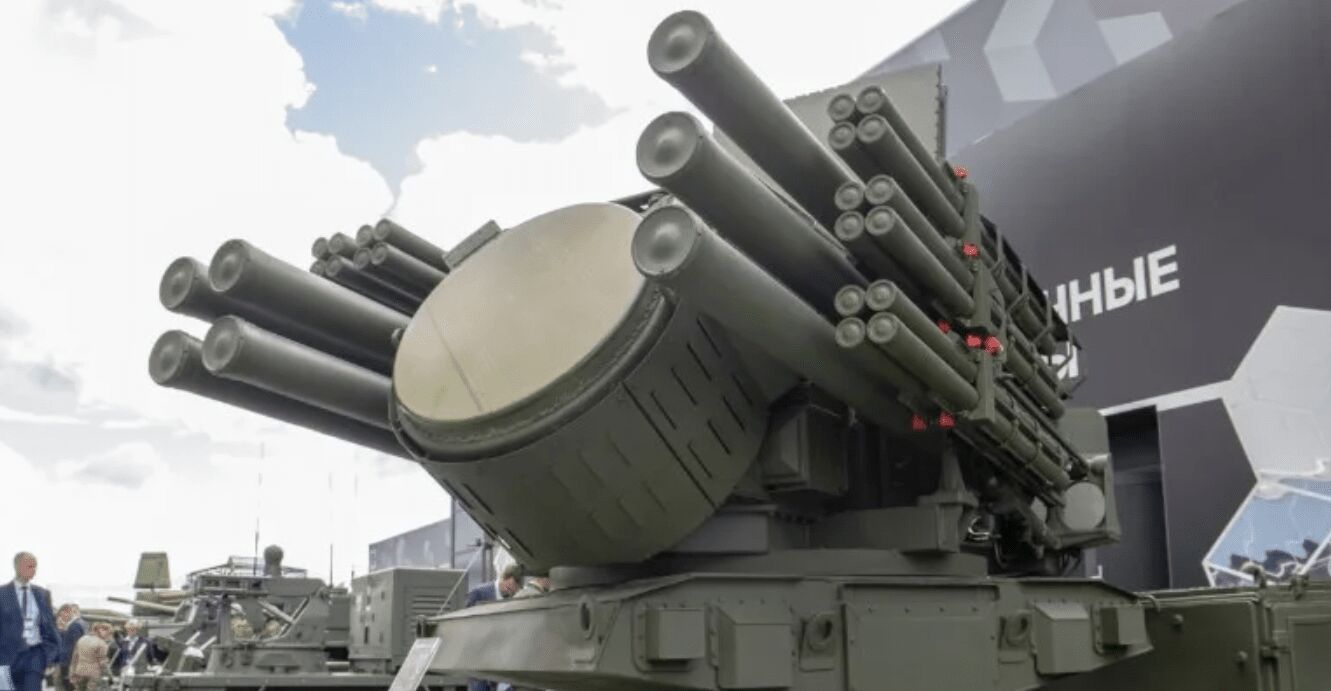
The Pantsir provides a mobile final layer of protection around important targets. Its missiles can engage threats at greater distances, while its automatic cannon armament provides a shorter-range option against targets for which using a relatively expensive missile may be undesirable. Its missiles are significantly less costly than those deployed by other systems such as the long range S-300 and medium range BuK, which allows it to provide an affordable sustained defence against continued drone attacks. The Pantsir-SMD stationary air-defence system represents a further development of the concept that is particularly suitable for defending fixed infrastructure.
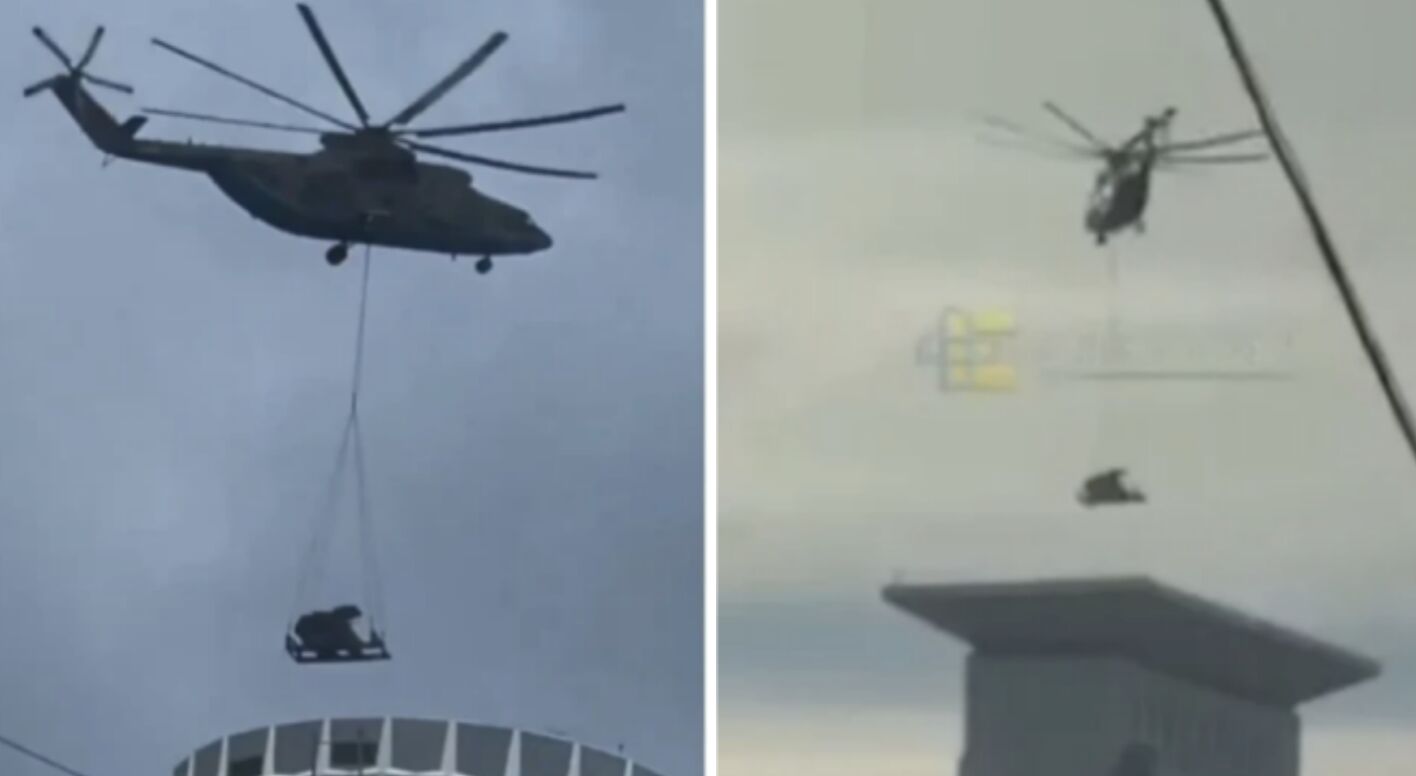
Footage has from mid-2026 repeatedly shown the deployment of Pantsir-SMD systems on rooftops across several parts of Moscow, complementing the expansion of air defence artillery units around the city, and the construction of towers around the city specifically to integrate the Pantsir-SMD. Modern Pantsir variants can reportedly detect aircraft at ranges of up to 80 kilometres and engage them at 20 kilometre ranges. The introduction of the TKB-1055 Gvozd surface-to-air missile, although limited to a shorter 7 kilometre range, is significantly less costly and smaller, allowing one Patnsir to integrate 48 of the missiles. This is invaluable for dealing with drone swarms, providing both volume and affordability.
