
Five Leading Potential Clients for Russia’s New MiG-35 Fighters - From India and North Korea to Belarus and Egypt
Military Watch Magazine Editorial Staff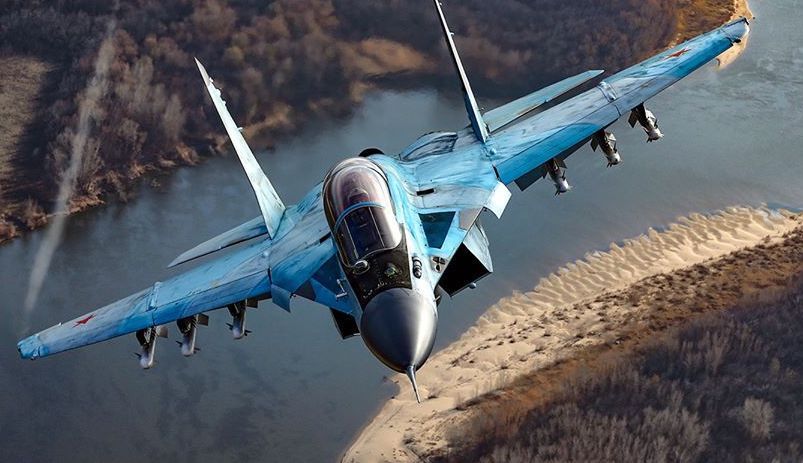
MiG-35 Next Generation Medium Fighter
Russia’s new MiG-35 next generation medium fighter was developed as a lighter, shorter ranged and less costly counterpart to the Su-57 air superiority platform integrating many of the same technologies. While first aircraft entered service in the Russian Air Force in 2019, and significant further domestic orders are expected, Russia’s preference for heavyweight fighters means it is likely to continue to focus primarily on acquiring advanced Flanker derivatives such as the Su-30SM, Su-34 and Su-35 as well as the Su-57 itself. The MiG-35 is nevertheless expected to be a highly attractive fighter for export clients, which many analysts have postulated as the primary purpose of the design.
An assessment of the needs of Russian defence clients, and how the capabilities of the MiG-35 suit them, gives an indication as to which parties are likely to be most interested in acquisitions. The aircraft is one of just three in the world to integrate three dimensional thrust vectoring systems, and the first of the medium weight range, which provides it with high survivability in both visual and beyond visual ranges against cannon and missile attacks. A powerful AESA radar, high 19km altitude, high eight missile payload and state of the art avionics and electronic warfare systems are among its other attractions, as is its ability to take off from short or makeshift runways near the frontlines. The fighter is particularly prized, however, for its low maintenance requirements and operational costs - meaning while it may have some performance shortcomings relative to the Su-57 it benefits from a higher sortie rate and can be serviced by less personnel and at a small fraction of the cost. Where the trend among Western fighters has been towards higher maintenance requirements in successive generations of fighters, the MiG-35 to the contrary is easier and significantly cheaper to maintain than its fourth generation predecessors.
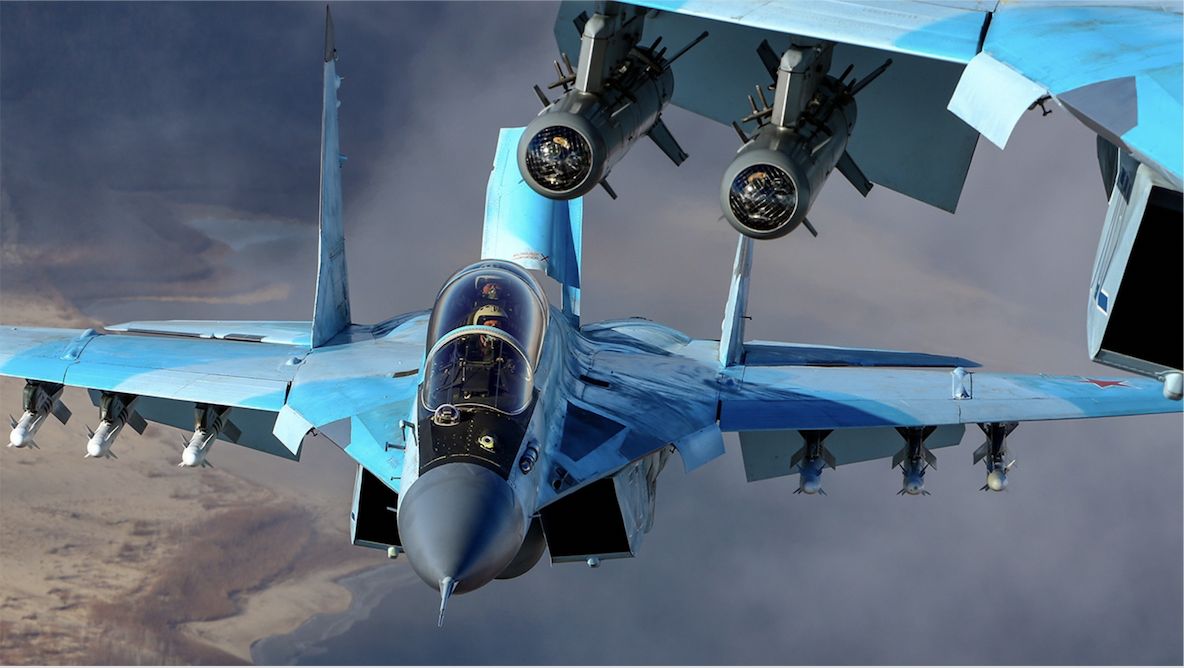
The MiG-35 will be particularly attractive to states already operating its predecessor the MiG-29 due to the commonalities in maintenance infrastructure, and to those which prize cost effectiveness and access to advanced next generation munition types. MiG-29 operators may well reduce expenditures in the long term by acquiring the MiG-35 and phasing out the older jets, as the new fighter reportedly has an operational cost under a fifth of that of its predecessor - which in the long term could cover the entire acquisition cost of the new fighters.
India
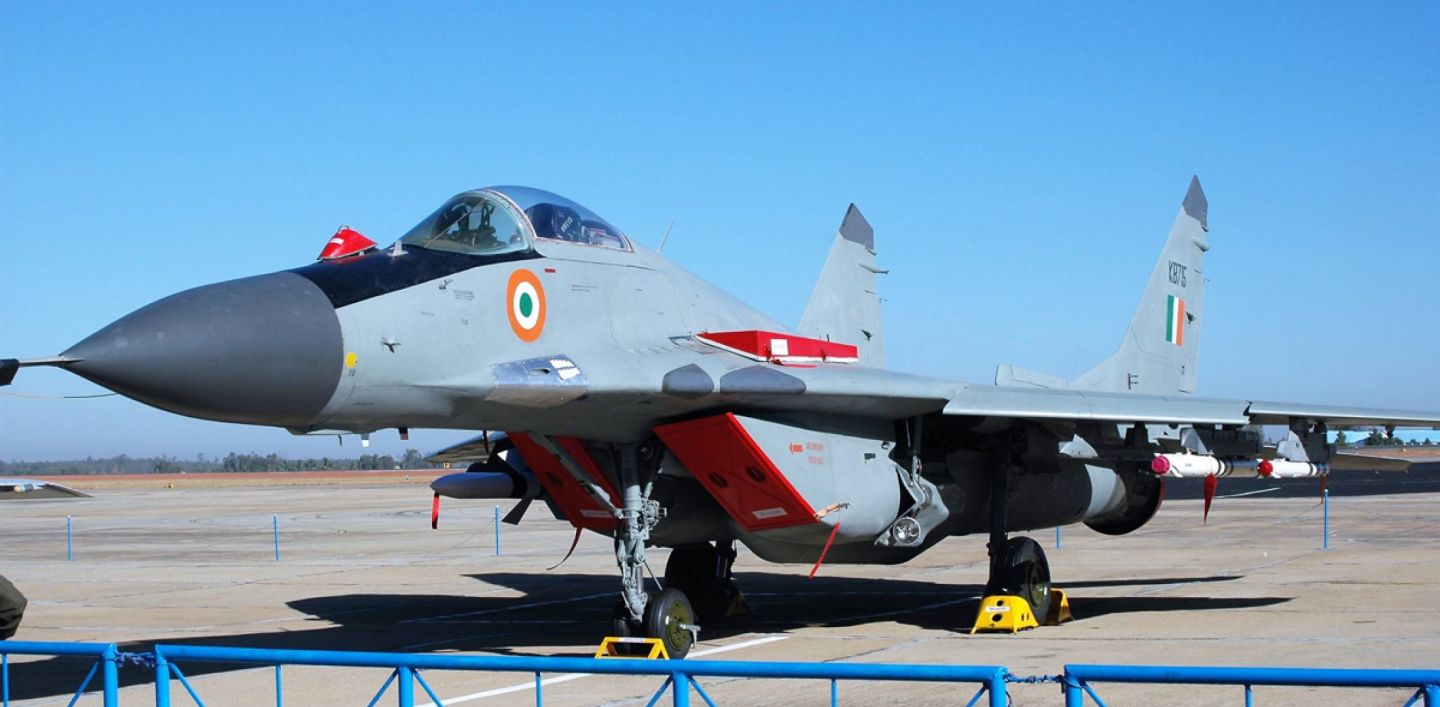
The Indian Air Force is likely to become the largest operator of the MiG-35, including the fleet of the Russian Air Force itself, with a large contract for joint production of the jets currently under negotiation. Further acquisitions by the Indian Navy may be discussed from the late 2020 to replace the MiG-29K currently in service, and on order for India’s upcoming carrier INS Vikrant. The country already operates the world’s second largest MiG-29 fleet, meaning investments in infrastructure and training will be minimal, and the fighter’s low operational costs make it potentially ideal to see through Indian plans for fleet expansion. The fighter will provide a highly effective lighter complement to the country’s elite Su-30MKI heavyweight fighters, as well as the Su-57 for which a contrast is currently being negotiated. The MiG-35 will provide considerably superior capabilities to Pakistan’s upcoming JF-17 Block 3 fighter, and very likely to the upcoming Project AZM fifth generation fighter as well.
Iran
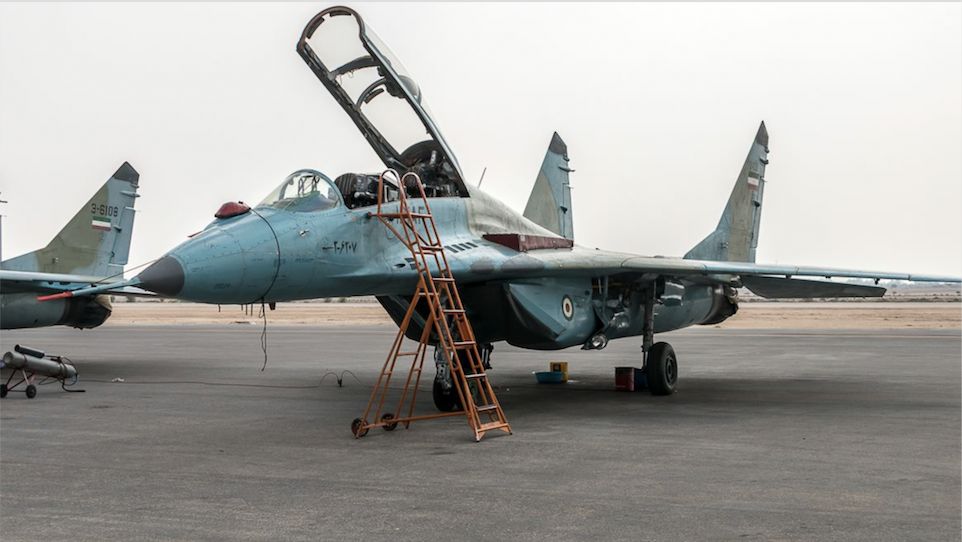
The MiG-29 is the most modern fighter in he Iranian combat fleet, and two squadrons alongside two more of American F-14 Tomcats form the elite of the country’s Air Force. The MiG-29A variant in Iranian service is the oldest and least capable developed however, and lacks access to modern munitions including standoff air to air missiles leaving it seriously outmatched by the jets fielded by rival powers. Moreover, as the fighters were acquired from the Soviet Union and have been in service for approximately 30 years their maintenance requirements and servicing costs are thought to be particularly high today due to the wearing out of the airframes. A MiG-35 acquisition could potentially pay for itself in maintenance cost reductions, and would provide Iran with a much needed enhancement to its air fleet after several decades without a major foreign acquisition. The fighter’s access to modern air to air missiles, particularly the K-77, and its powerful sensors, range and manoeuvrability will do much to bridge the current gap with other fighters deployed to the region such as the Israeli F-35I and Saudi F-15SA. Further MiG-35 units could be acquired to replace ageing U.S. hardware such as F-5 and F-4 jets which have served for well over 40 years.
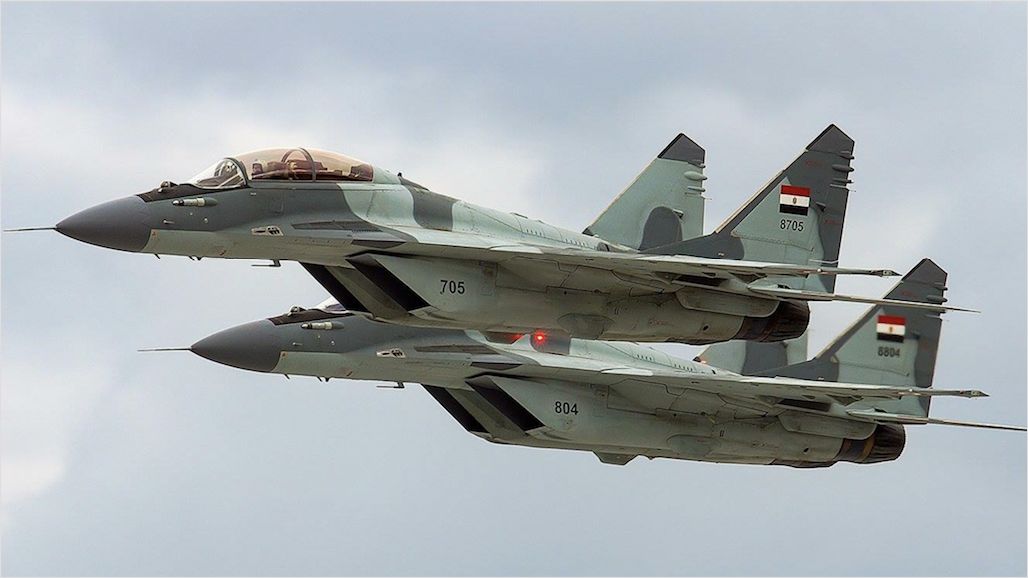
Egypt
Following a large order for 50 MiG-29M fighters in 2013, it has long been speculated that Egypt could place a followup order for more capable MiG-35 jets in future. While Egypt has already begun to retire a portion of its F-16 fleet, and has plans to retire its Mirage III, MiG-23 and F-4 squadrons and possibly its Mirage 2000, the MiG-35 could be the ideal replacement. Egypt has long favoured jets with low operational and maintenance costs needed to maintain a large fleet - perhaps the sole exception being its recent interest in fielding a small Su-35 contingent - and the MiG-35 provides an ideal combination of a high-end combat performance and ease of maintenance. While the MiG-29M purchase was assessed by a number of analysts to be part of an interim order until the MiG-35 is ready, the new jet could potentially come to form the mainstay of the Egyptian fleet and be fielded in similar numbers to the F-16C today. The fighter is designed to be capable of going head to head with the F-35 of neighbouring Israel and the older but heavier F-15C, and could be key to bringing the Egyptian fleet into the next generation.
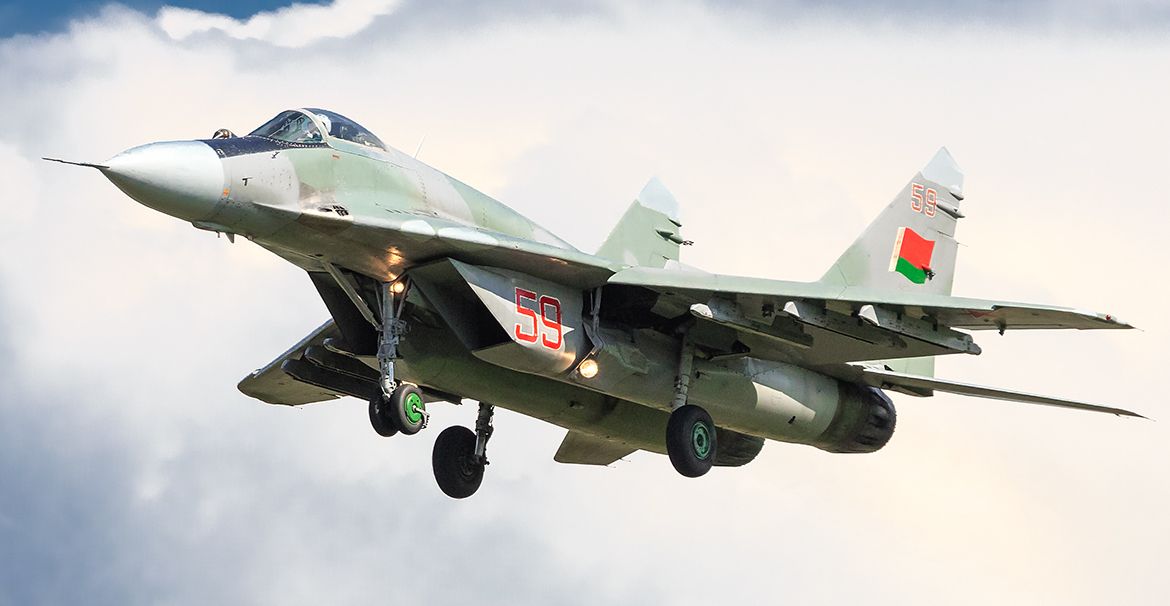
Belarus
The MiG-29 currently forms the bulk of Belarus’ fighter fleet, with approximately 35 in service alongside a forming squadron of a dozen elite Su-30SM Flankers. With neighbouring Poland seeking F-35 fighters from the United States, and the F-35 increasingly set to form the mainstay of NATO air power, it is likely that Minsk will strongly consider the MiG-35 to counter it. Belarus has placed a strong emphasis on reliable medium weight fighters with low maintenance costs, reportedly retiring its large squadron of advanced Su-27 Flankers from frontline service due to their high operational costs, and the MiG-35 would provide it with arguably its most cost effective fighters. Again necessary training and infrastructure investments costs would be minimised because the country already operates the MiG-29, and the fighters could form a lethal complement to the Su-30 squadron currently being delivered.
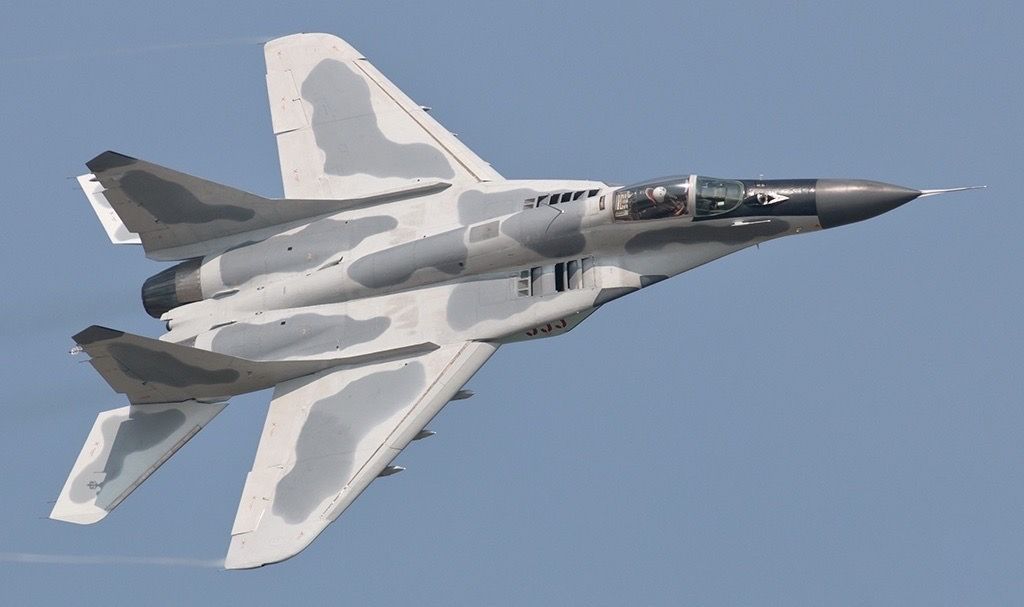
North Korea
The MiG-29 currently forms the elite of North Korea’s Air Force, although the exact number of fighters or squadrons in service and their capability remain unknown. The country has been termed an ‘intelligence black hole’ by the American CIA for good reason, and while it is known that the country operates production lines for the MiG-29 purchased from Russia it is uncertain how many have been or are being produced and whether these have been altered with Russian assistance to synthesise more advanced variants or what munitions the country has acquired. While capable, the MiG-29 is likely to struggle against the elite South Korean F-35A and F-15K, as well as the country’s upcoming KF-X stealth fighter, and the MiG-35 could thus provide Pyongyang with a relatively cost effective means of bridging the gap in capabilities. While U.S. drafted UN Security Council Resolutions currently ban sales of new fighter jets to the country, how long these will last and whether the sanctions regime can remain in place in the long term are highly questionable. North Korea could emerge as a leading customer for the MiG-35 in the 2020s, likely not to replace but rather to complement its fleet, should UN resolutions be lifted in the 2020s.
