
F-35 Program Relies on Foreign Operators to Develop Laser and Hypersonic Weapons - Expert
Military Watch Magazine Editorial Staff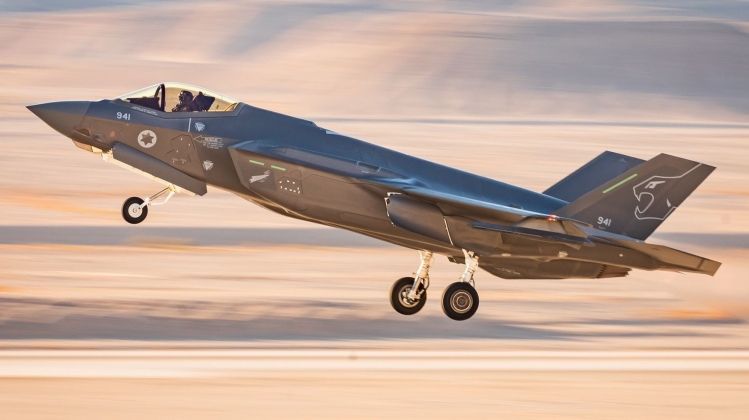
Israeli Air Force F-35I
IASF
Expert on the F-35 fifth generation fighter program Abraham Abrams has in a recent interview on his new book on the program provided insight into its possible future modernisation, responding to a question on whether the fighter would likely in future integrate laser weapons or hypersonic missiles. His answers highlighted the global scale of the F-35 program, and in particular the large number of countries with highly developed economies and defence sectors which operate the aircraft and can potentially contribute to producing new weapons or subsystems. The possibility of laser weapons or hypersonic missiles being developed appears high, Abrams observed, “when considering how long the fighter type is expected to be relied on for frontline roles in three separate U.S. services, and in the services of several countries with their own world leading defence sectors such as Japan and South Korea, any one of which could develop such subsystems for the fighter.”
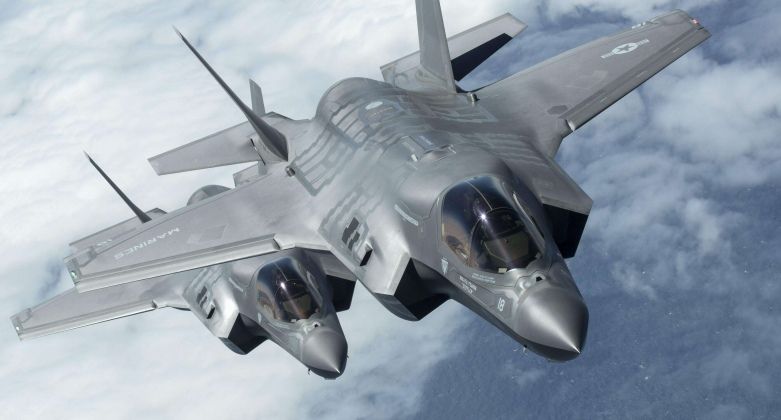
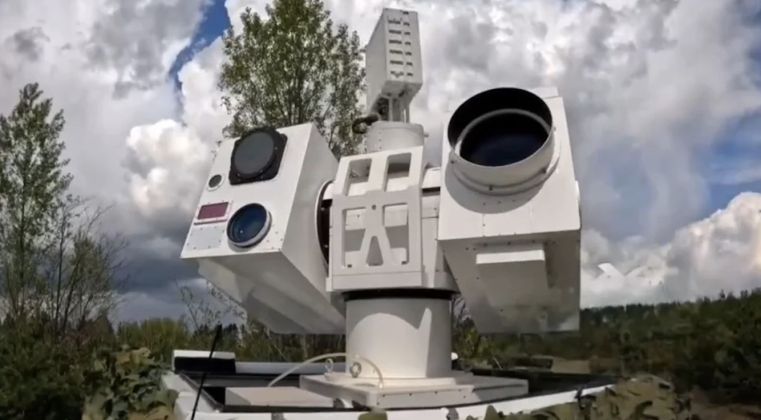
Regarding laser weapons specifically, Abrams observed that this could be of value for anti-ballistic missile operations, adding that such weapons “also have significant applications for air-to-air combat and air-to-surface attacks, although much like hypersonic weapons, programs pursued in the United States, such as the Self-protect High Energy Laser Demonstrator (SHiELD), have most often ended in failure.” Observing the difficulties fighters have had in countering low value unmanned aircraft in the Middle East from 2024, he added that this has “increased interest in airborne laser weapons development since such weapons do not have ammunition limits as missiles do.” He concluded that it was “highly possible that a foreign operator such as South Korea or Israel will pioneer this capability, and market a laser weapons pod for the F-35 back to the U.S. and other operators.”
Regarding the benefits of the F-35 program’s size, Abrams observed that this “makes it beneficial for countries to invest in developing new weapons for the fighter, particularly ones that fit in its weapons bays, since the more than 20 services that will operate the aircraft will all be possible clients.” This remains a distinct advantage of the program compared to peer level fifth generation fighter programs developed in China, the J-20 and J-35. Although China’s defence sector has proven capable of developing new generations of technologies far more quickly and efficiently, it has no partners with developed economies with which it can share defence technologies.
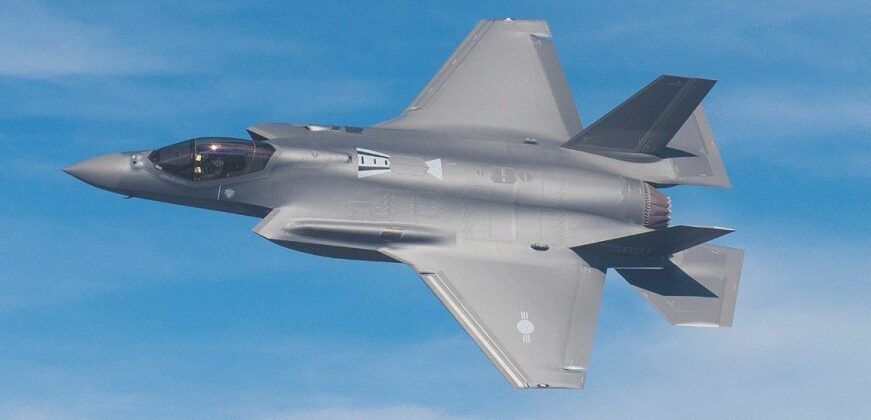
In the U.S., defence ties with Japan and South Korea are particularly highly valued due to their high levels of innovation and highly efficient industrial capabilities, while Israeli advances particularly in laser weapons technologies could also make it an invaluable partner in developing future F-35 subsystems. The possibility of a significant increase in funding for developing upgrades for the F-35 has increasingly been raised, as the United States looks set to lag close to a decade behind China in fielding sixth generation fighters. This is expected to increase the perceived importance of maximising the capabilities of its most capable fifth generation fighter to narrow the gap in performance with new Chinese aircraft. The integration of laser weapons and hypersonic missiles, as Abrams projected, may be a significant part of this.
