
Problematic Eurofighter Program Enters New Crisis as Europe’s Fragmented Multi-State Defence Logistics Fail
Military Watch Magazine Editorial Staff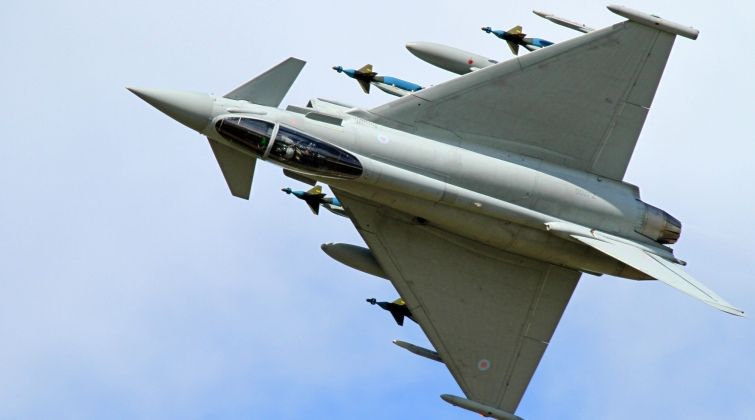
Eurofighter
The Eurofighter program is facing a worsening crisis as a result of its four-nation consortium structure, with the fragmented and politically constrained nature of Europe’s defence industrial base exacerbating already significant and longstanding issues with the program. Developed jointly by the United Kingdom, Germany, Italy, and Spain, although the program was structured to distribute industrial benefits and ensure political buy-in, it has created a complex and often fragile production and sustainment ecosystem. Manufacturing, assembly, and component supply are distributed across multiple national supply chains, meaning that disruptions in any one partner country - whether due to industrial action, export restrictions, or budget delays - poses a high risk of cascading effects across the entire fleet. Even a localised political dispute can slow or halt the delivery of spare parts, affecting operational readiness in multiple air forces simultaneously.
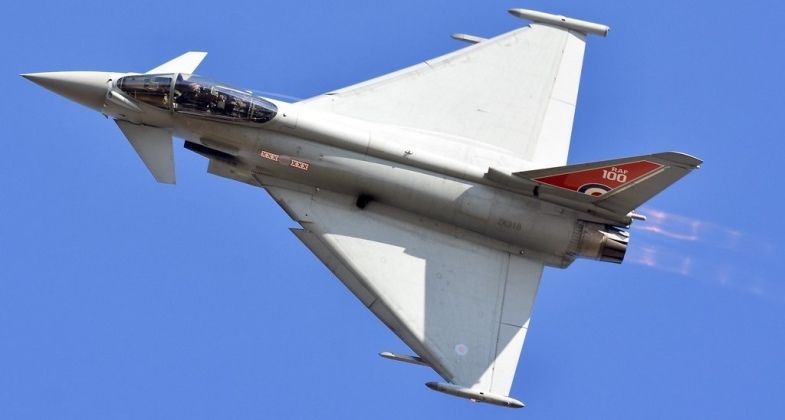
Issues with the Eurofighter’s supply chains exacerbate already serious issues with the fighter’s combat performance and international competitiveness. Hopes for the aircraft serving as a pan-European combat jet have been dashed in recent years by the aircraft’s losing of every tender in which it has competed against the U.S. F-35. These losses reflect the fighter’s very limited combat potential compared to the U.S. fifth generation fighter, despite the two aircraft having similar costs. Despite considerable pressure from local industry the United Kingdom has permanently shelved plans to purchase more Eurofighters, and plans to continue to withdraw them from service decades ahead of schedule while ordering F-35A fighters.
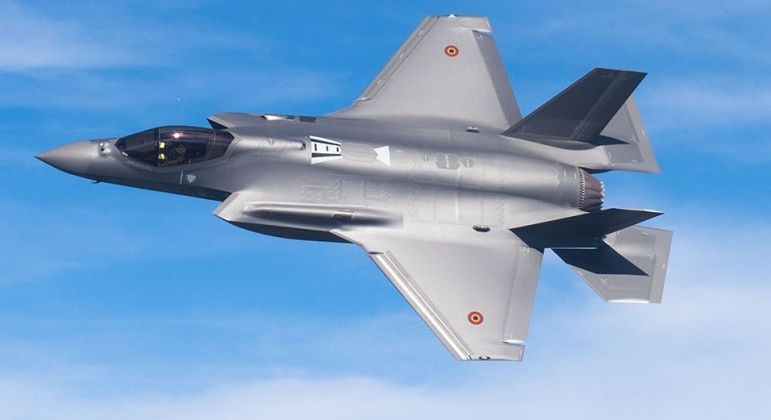
Germany has similarly sharply reversed its prior opposition to F-35 procurements as it became increasingly clear that prioritising protecting local industry would seriously constrain combat capabilities due to the Eurofgihter’s serious limitations, and is instead compromising between the demand of industry, and the need for a superiority capability, by splitting orders between the two types. In 2025 it was confirmed that the Qatar Emiri Air Force was seeking to retire its 24 Eurofighters from service just three years after they began deliveries to the country in 2022. This was followed by confirmation that the aircraft had performed very poorly in simulated combat with Chinese J-10C fighters flown by the Pakistan Air Force.
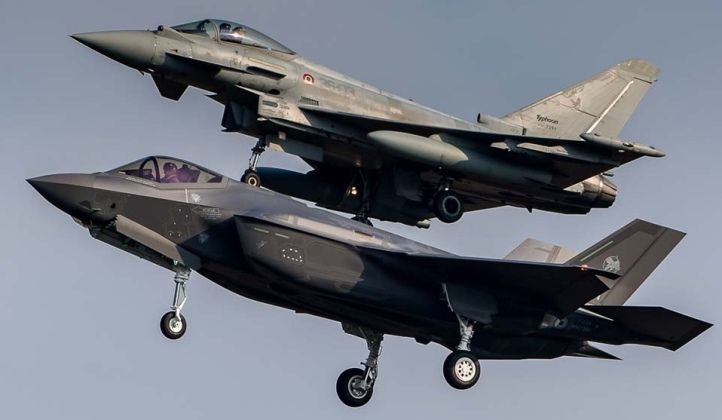
The Eurofighter program has faced further serious issues due to the growing software and hardware divergence across different Tranche standards. Tranche 1, 2, and 3 aircraft operate with vastly different levels of avionics capability, sensor integration, and weapons compatibility, creating a heterogeneous fleet structure that is difficult to sustain efficiently. Efforts to modernise the aircraft have further highlighted these systemic issues, with upgrades such as the ECRS Mk2 radar for the United Kingdom’s future enhancements and the Saab Arexis electronic warfare suite for Germany’s electronic warfare variants have faced repeated delays. These are not primarily driven by technical limitations, but by funding disagreements, shifting national priorities, and differing procurement timelines across partner nations. As a result, air forces often operate mixed-generation fleets in which advanced and legacy aircraft coexist without a fully unified digital logistics or maintenance backbone.
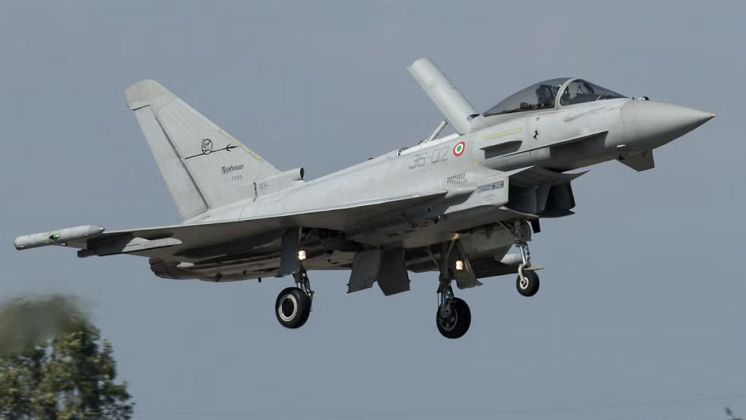
This fragmentation of the Eurofighter program directly affects operational availability and sustainment efficiency. Without a fully integrated digital support ecosystem, maintenance planning, software updates, and parts provisioning must often be managed through parallel national systems rather than a single unified architecture. This reduces the potential efficiency gains of a common platform and increases lifecycle costs. This contrasts sharply with rival programs such as the F-35 or Rafale where a single unified architecture has been created. The implications of the failings of the Eurofighter program are significant, and while the fighter itself is increasingly considered obsolete, the United Kingdom and Italy are currently pursuing a new joint program with Japan, which Germany may soon join, that appears to be at risk of facing many of the same issues.
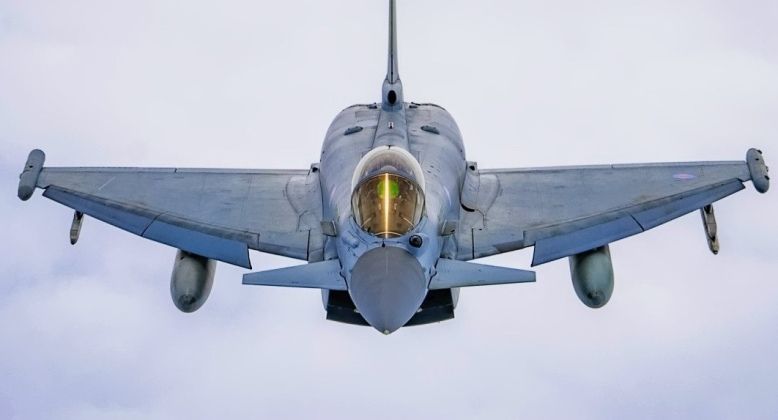
The structure of the Eurofighter program has posed further difficulties as partner countries attempting to accelerate production, primarily due to export orders from Turkey, but also due to a rise in German demand as the country seeks to expand its combat fleet. Increased production introduces additional supply chain complexity, particularly as new export customers rely on the same already-fragmented European logistics network. The system has thus been criticised as brittle under high operational stress, with each additional export customer adding new maintenance dependencies, software configurations, and logistical requirements to an already complex ecosystem, increasing the risk of bottlenecks during sustained operations or crisis conditions.
