
Chinese J-10C Fighters Won Overwhelmingly After Engaging Enhanced Eurofighters in Qatari Exercises
Military Watch Magazine Editorial Staff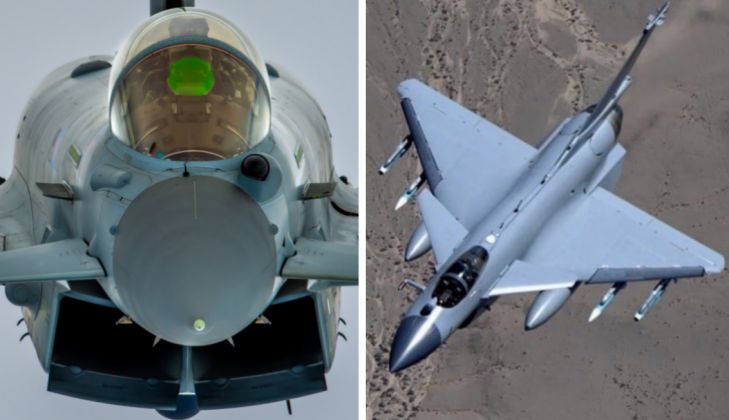
Eurofighter (left) and J-10C Fighters
Pakistan Air Force J-10C fighters were able to achieve a 9-0 kill ratio against Qatar Emiri Air Force Eurofighter combat jets during simulated combat engagements the Zilzal-II joint air exercise in Qatar in 2024, according to recent reports from multiple Pakistani and Gulf Arab sources. The engagements are notable as they provided one of the few indications of the capabilities of advanced Chinese ‘4+ generation’ fighter types, of which Pakistan and Azerbaijan are the only foreign operators, and occurred just a year before the J-10C saw its first high intensity combat test to achieve outstanding results against the Indian Air Force in May 2025. The results achieved in Qatar are also highly notable due to the mounting criticisms the Eurofighter program has gained, and to the growing indications that the aircraft’s operators, including countries which developed it, are seeing to rapidly reduce reliance on the aircraft.
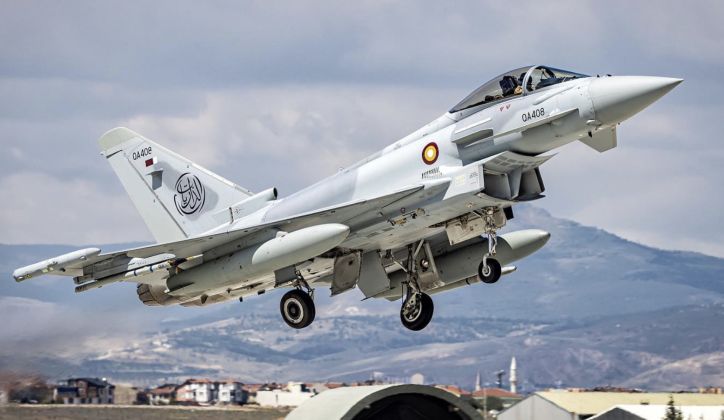
The Eurofighter’s overwhelming losses coincided with confirmation that the United Kingdom, one of the fighter’s two primary developers, had permanently shelved plans to purchase more of the aircraft, and was set to continue to withdraw them from service while ordering advanced F-35A fighters from the United States. The deprioritisation of the Eurofighter program was also reflected in the very limited funding provided to upgrade just a small fraction of the British fleet to integrate modern radars. Although the governments of both Germany and the United Kingdom, the program’s primary development partners, have faced considerable pressure from local industry to continue placing orders and avoid purchases of the F-35A, Germany in 2022 placed its first order for the F-35, while hedging away from the European program. The Eurofighter has lost every tender in which it has competed against the F-35 and the F-15, from South Korea to Belgium, and has achieved sales only the Middle East where political factors are seen to have played a primary role.
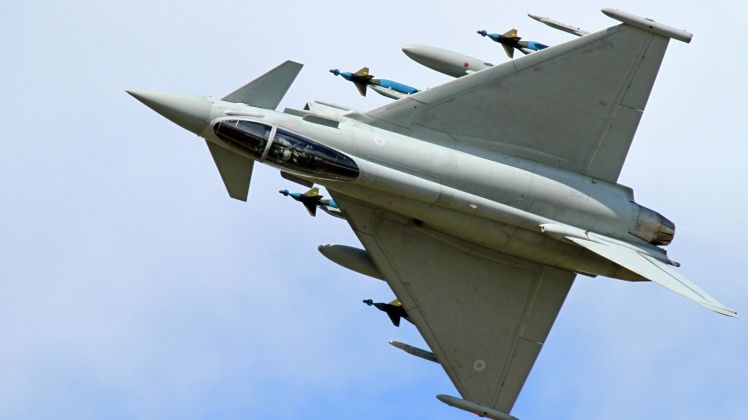
Following multiple indications that both Germany and the United Kingdom were seeking to significantly reduce reliance on the Eurofighter, the Qatar Emiri Air Force was confirmed in late 2025 to be seeking to retire its 24 Eurofighters from service, just three years after they began deliveries to the country in 2022. This was particularly notable since the service had procured Tranche 3A variants, which are significantly more advanced than those fielded by the European partner states that developed the aircraft, and integrated the new Captor-E active electronically scanned array radar. Talks have been held to sell the fighters to Turkey, which has struggled to modernise its fleet due to ongoing disputes with the United States that led to its expulsion from the F-35 program and to a restriction on sales of F-16s. The Qatari decision to procure the aircraft was widely assessed to have been primarily motivated by a perceived need to strengthen strategic ties with European states at a time of Saudi-led blockade in 2017.
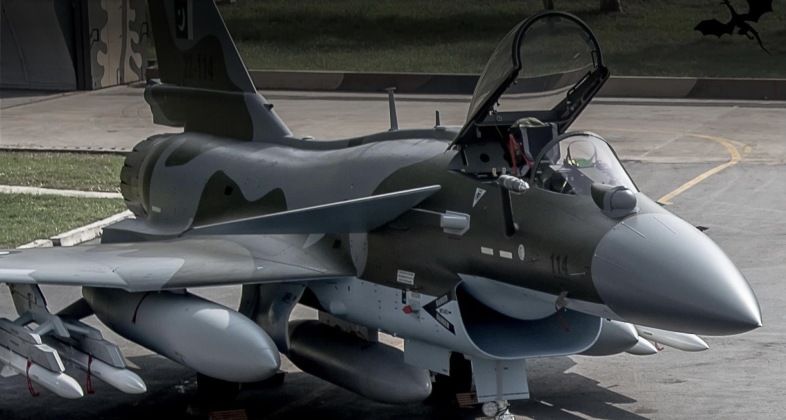
While simulated air-to-air engagements can be influenced by multiple factors, such as training levels and the support aircraft that are deployed, the J-10C’s achieving of overwhelming successes against the Eurofighter under generally equal conditions is far from unexpected, and aligns with prevailing trends. Although the Eurofighter is the only post-Cold War fighter type developed by its partner countries, while the J-10C is the lightest and lowest end of multiple ‘4+ generation’ and fifth generation fighter types being procured by the Chinese People’s Liberation Army, the discrepancy between the capabilities of the defence sectors of China and Europe are particularly wide. China’s unveiling of two new sixth generation fighter types in December 2024 at flight prototype stages, and subsequent significant progress in testing and operationalising new prototypes, provided one of multiple indicators that the its combat aviation industry is leading the world in development, with the status of its fifth generation programs being in a league of their own alongside the U.S. F-35. Europe, by contrast, has lagged increasingly far behind the two industry leaders, as reflected by its fighters’ total inability to compete with the F-35 in tenders, and its total lack of post-fourth generation fighters at even flight testing stages.
