
Egyptian Purchase of Chinese J-10C Fighters More Likely After Russian Su-35 Sale to Ethiopia
Military Watch Magazine Editorial Staff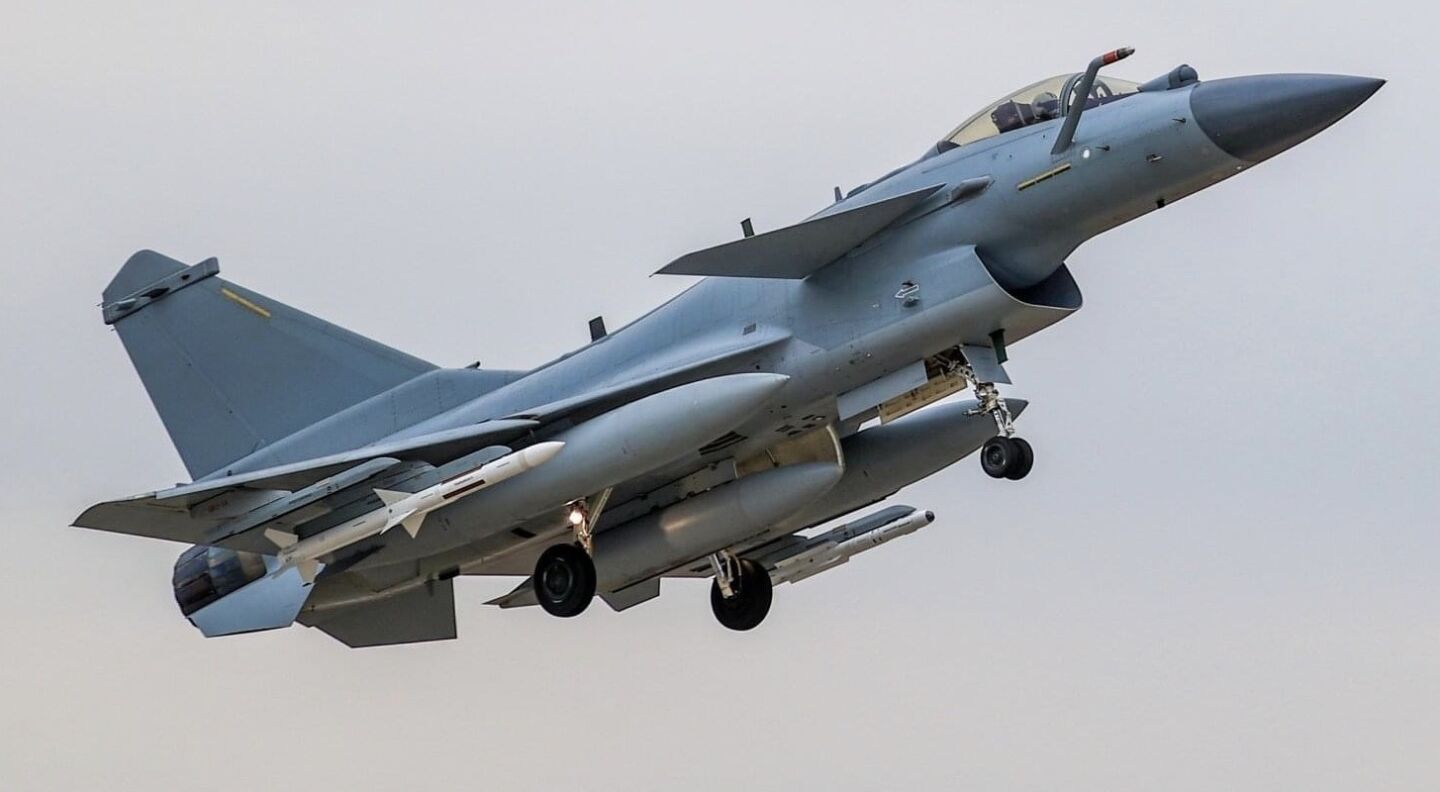
J-10C Fighter with Three External Fuel Tanks and PL-15 and PL-10 Air-to-Air Missiles
Following confirmation that the Ethiopian Air Force had received Russian Su-35 long range air superiority fighters, analysts have posited that this could increase the likelihood of Egypt acquiring more modern fighter aircraft, most notably the Chinese J-10C. The Egyptian Air Force had itself notably previously placed a larger order for Su-35s in 2018, before cancelling these under pressure from the United States, leaving it without a comparably capable fighter type in service for air-to-air engagements. The capabilities of the Ethiopian combat fleet are of particular significance due to ongoing water disputes with Egypt, primarily surrounding the construction of the Ethiopian Grand Renaissance Dam.
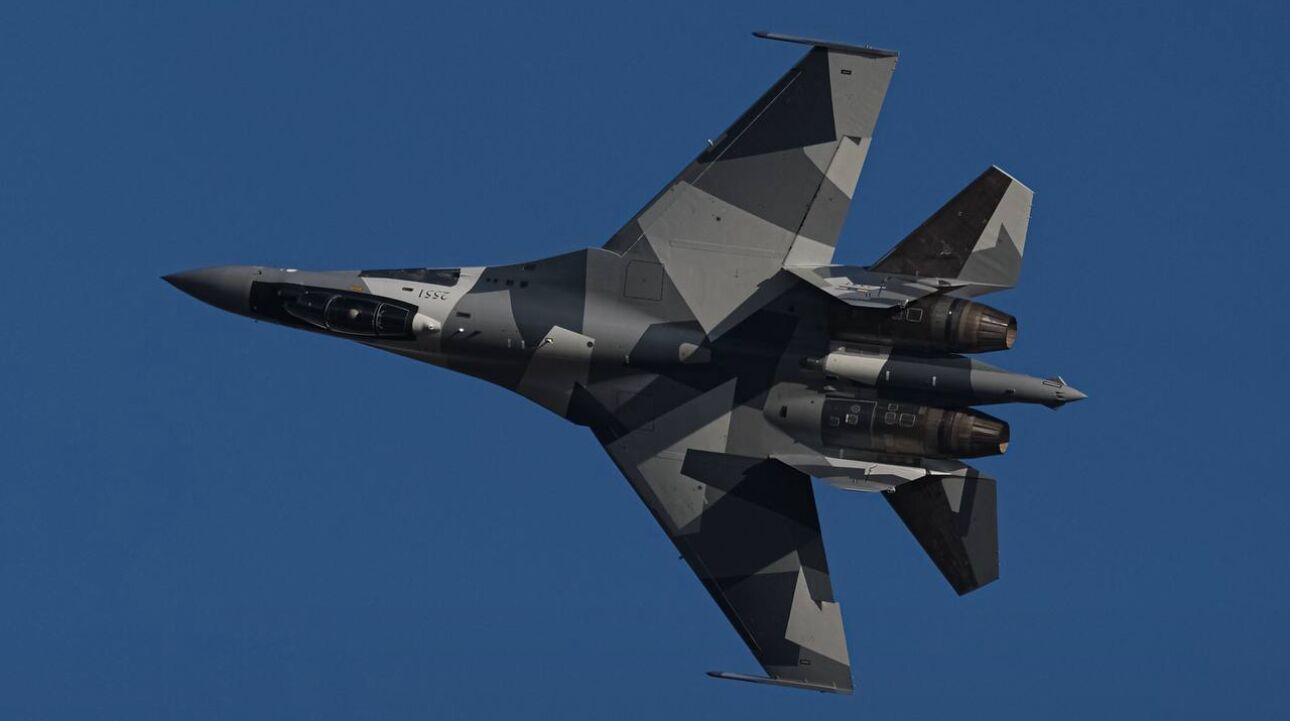
Egypt’s currently fighter fleet comprises primarily of Russian MiG-29M, French Rafale, and U.S. F-16 fighters. The MiG-29M is the only modern fighter type that has not seen its air-to-air capabilities seriously downgraded, with Rafales and F-16s both being delivered without their primary air-to-air weapons, and being otherwise heavily downgraded. The MiG-29M is the lowest end Russian fighter type in production, and is a medium weight aircraft significantly outmatched by the Su-35. Egypt’s lack of more capable fighter types has long fuelled speculation that it could procure modern Chinese combat jets, in particular the J-10C which has recently seen a surge in orders from multiple clients.
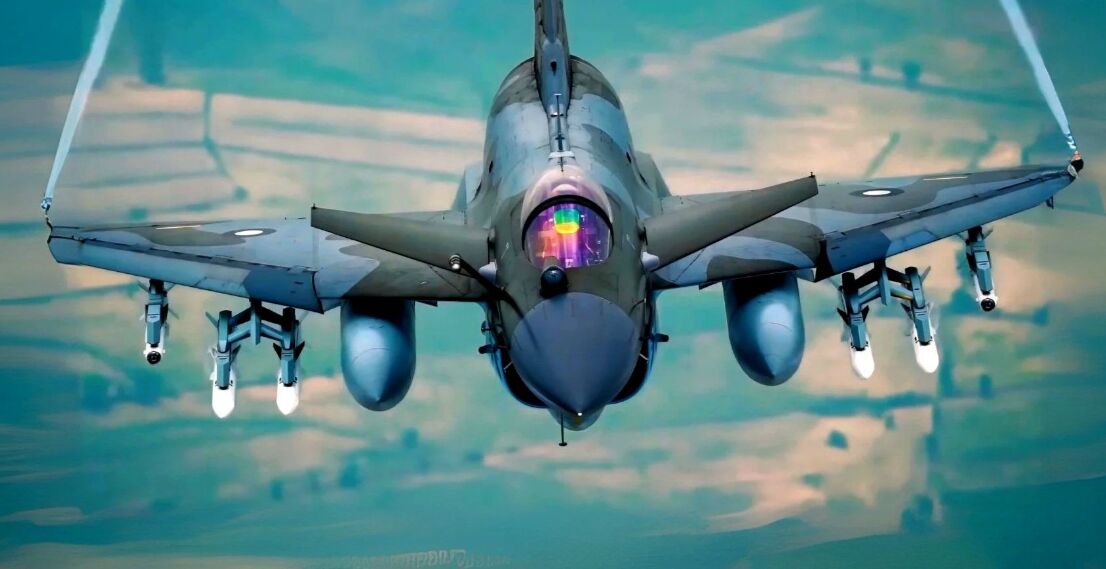
The J-10C gained particularly attention abroad following its major successes when flown by the Pakistan Air Force in early May 2025, when it was credited with the shootdown of at least one French-supplied Rafale operated by the Indian Air Force. The fact that the J-10C not only has lower operational costs and maintenance needs than the Rafale, but also costs under one third as much to procure, and by some estimates closer to one sixth as much, reflects the vast discrepancies in efficiency between the Chinese and French defence sectors. Unconfirmed reports in 2024 indicated that Egypt had placed orders for the fighters, with J-10Cs playing a central role in China’s first air force joint exercises with Egypt the following year.
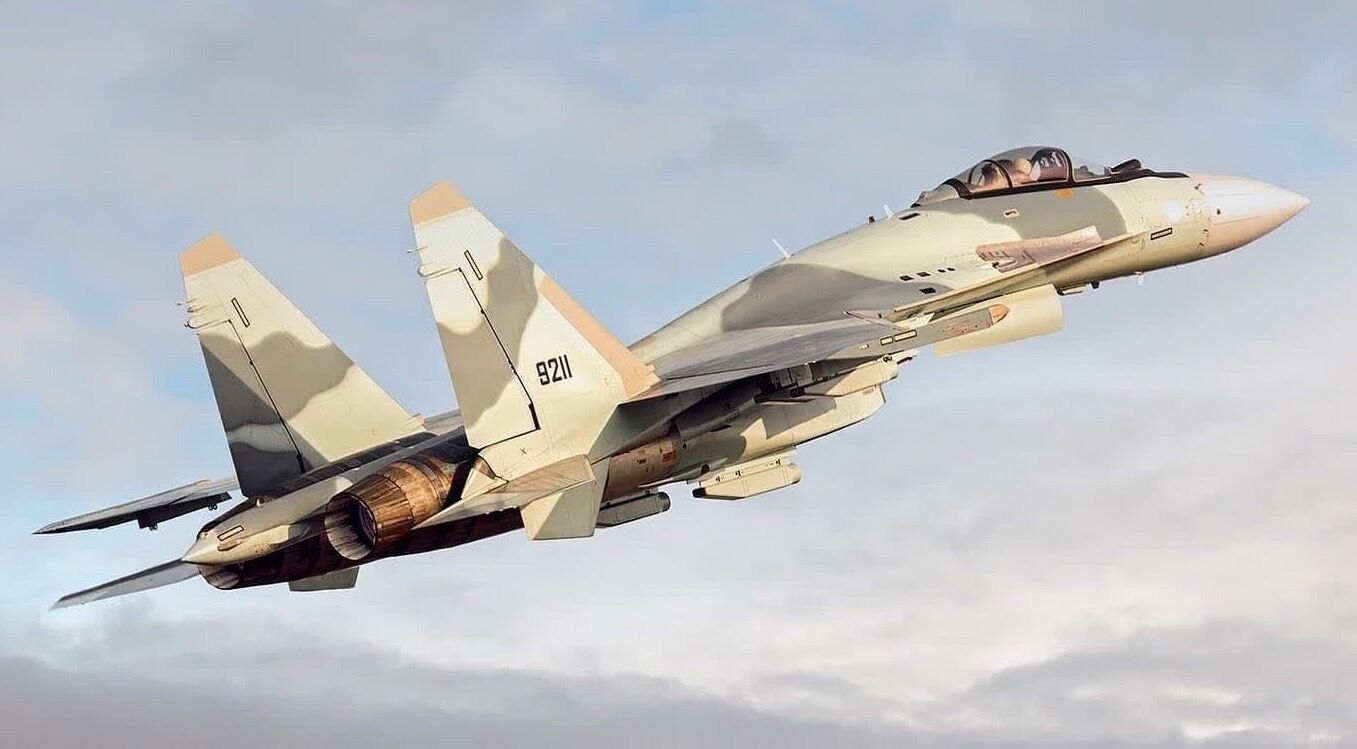
The J-10C would provide Egypt with two of the most capable air-to-air missile types in the world, the PL-10 and PL-15, which Western sources have widely conceded are significantly more capable than their American counterparts the AIM-9X and AIM-120D, and moreso their Russian counterparts the R-73/74 and R-77. For Egypt, which used Cold War era AIM-9 variants and the obsolete AIM-7, this represents a technological leap of several decades in terms of performance. The J-10C has proven during simulated combat engagements to be capable of outperforming modern ‘4+ generation’ fighters close to twice its size, including Russian Su-35s and Chinese J-16s, while its arsenal of compatible air to ground ordinance is considerable. A J-10C procurement would not only significantly strengthen Egypt’s position against Ethiopia, but also provide a robust air defence capability in the event of disputes with Israel, comfortably outperforming all Israeli fighter types other than its two squadrons of F-35s.
