
Russian MiG-29 Fighters Face Toughest Ever Combat Test Fighting Chinese J-16 Over Egypt
Military Watch Magazine Editorial Staff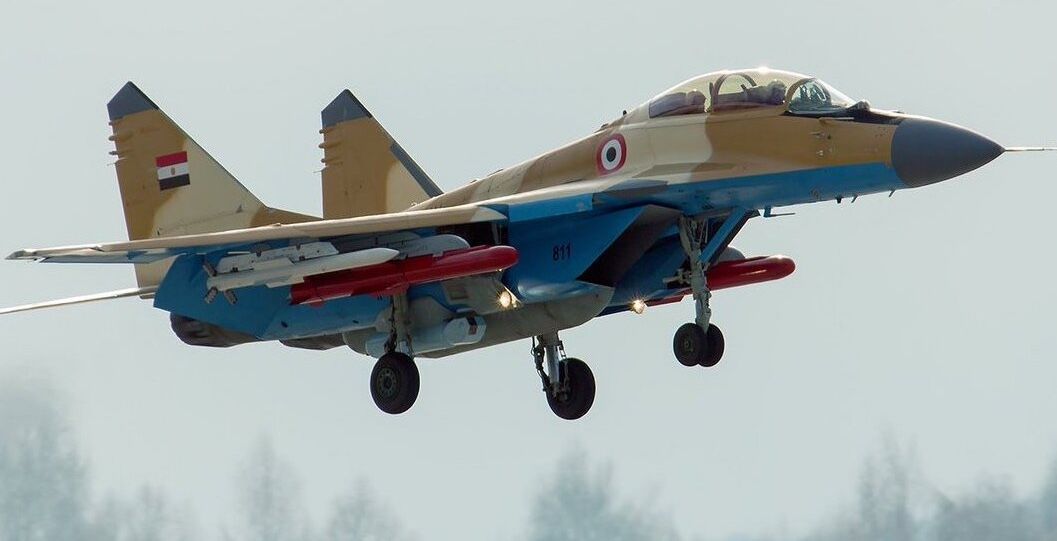
MiG-29M2 in Egyptian Air Force Service
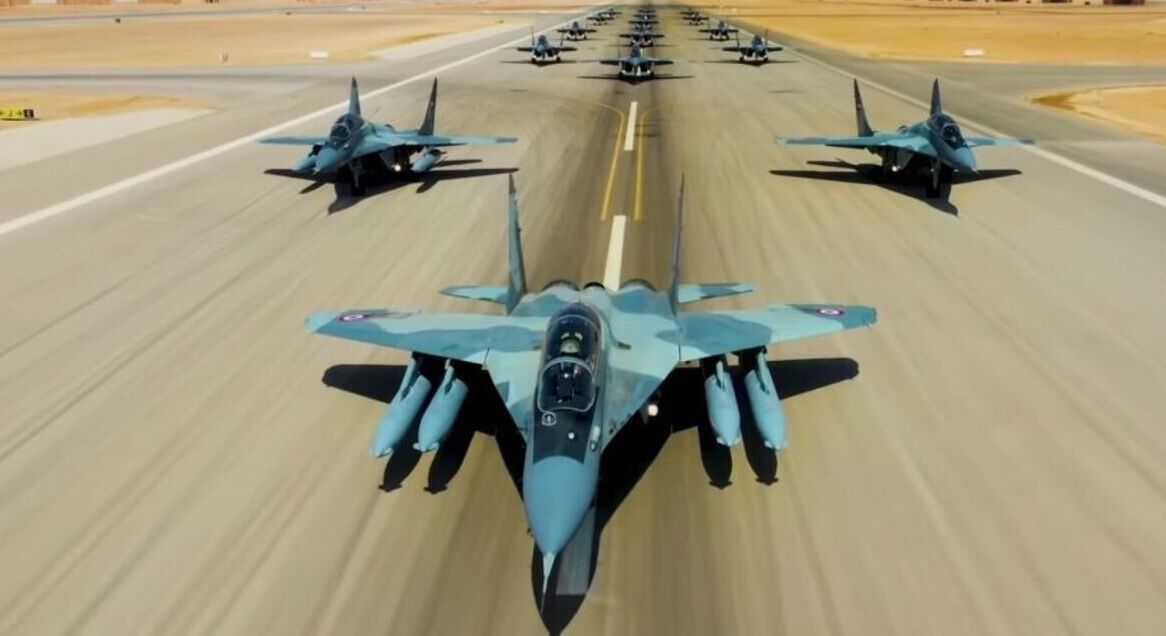
The joint Eagles of Civilization 2026 joint exercises between the air forces of China and Egypt are providing an unprecedentedly demanding test for the MiG-29 fighter, with Egyptian MiG-29M/M2 combat jets conducting simulated air-to-air engagements with Chinese J-16s. Although the MiG-29 is one of the most widely operated fighter types in the world, the J-16 is in many respects the most capable combat jets against which it has ever been tested. Egypt is one of the world’s only operators of modernised ‘4+ generation’ variants of the MiG-29, with 46 MiG-29M and twin seat MiG-29M2 fighters having been ordered in 2015, providing the backbone of its ‘4+ generation’ fleet alongside a smaller number of Rafale jets.
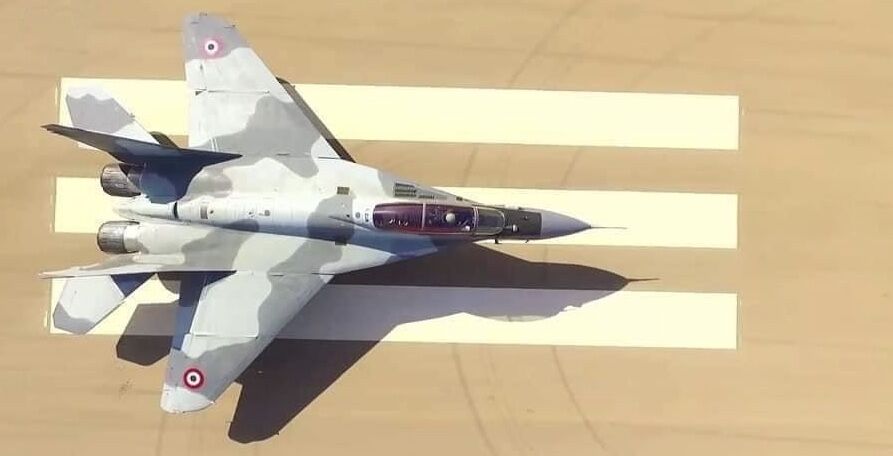
The MiG-29 was conceived primarily as a relatively short-range air-superiority fighter for operations close to Soviet bases. Its original design emphasised manoeuvrability, acceleration and high performance. The MiG-29M introduced a far greater fuel capacity, modern avionics including a phased array radar, multirole capabilities and compatibility with modern precision weapons. Its integration of the R-77-1 made it the first fighter in Egyptian service with active radar guided air-to-air missiles, as Western fighters sold to the country were prohibited from integrating such weaponry.
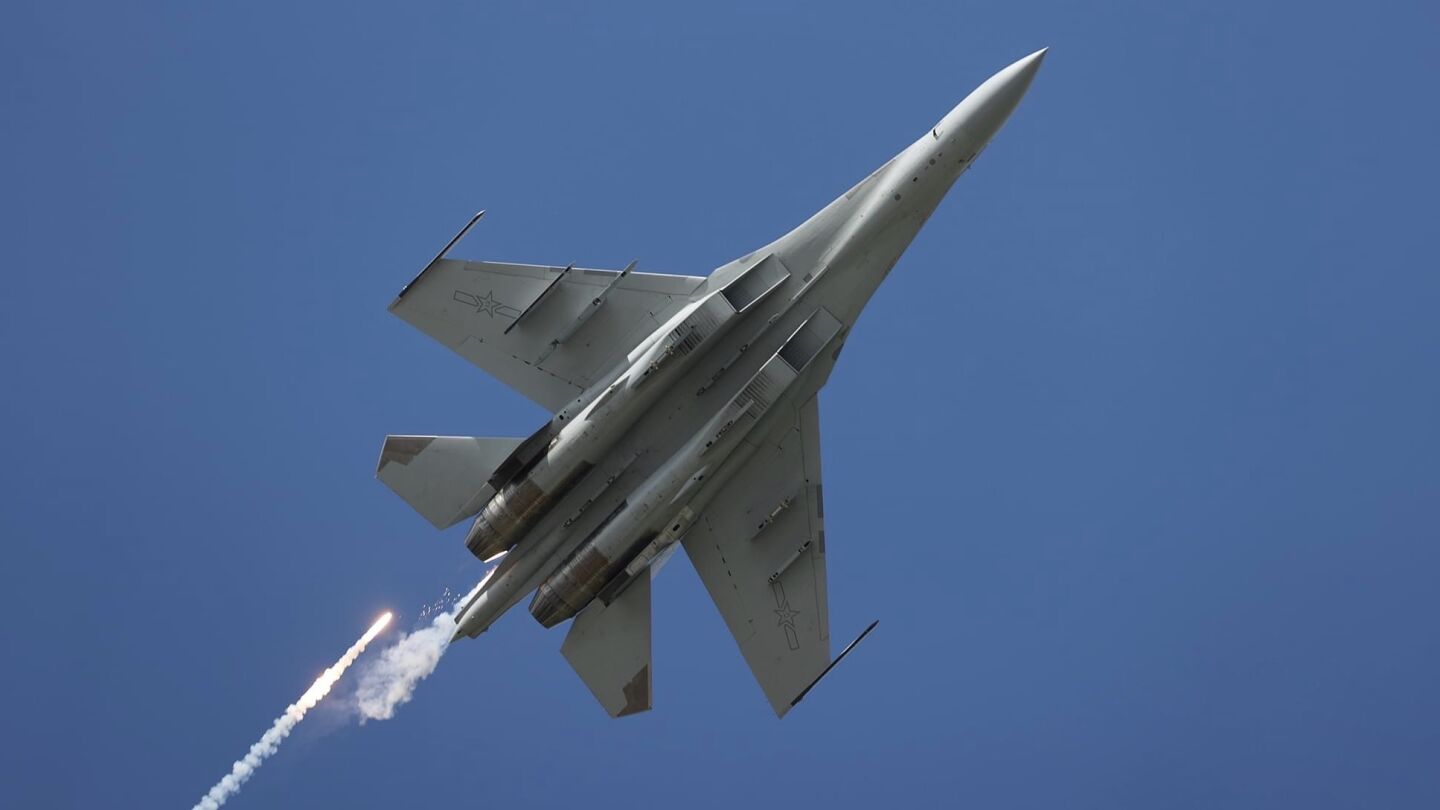
While Egyptian Air Force MiG-29s are in many respects the most capable in the world, they are significantly outmatched by the J-16. Although the Russian aircraft enjoyed a rapid rate of modernisation in the Soviet era, and was in many respects a world leader in areas such as flight performance and high off boresight targeting capabilities, improvements were made far more slowly in the post-Soviet years, leaving it technologically far behind modern U.S. and Chinese fighters. The J-16 is not only more advanced, but also much larger, with a radar close to three times the size, and a significantly superior flight performance and weapons carrying capacity.
While the MiG-29 had significant modernisation potential, the improved MiG-29M was highly capable by the standards of the 1990s and 2000s, further progress enhancing the design had been limited. This contrasts to the J-16, which integrates a wide range of technologies from the J-20 fifth generation fighter program. This includes what is likely the most powerful radar integrated onto any fighter type in the world, with its combination of size and sophistication being unrivalled. This and its much more modern data links provide outstanding situational awareness, and pair well with its PL-15 missiles that have approximately triple the range and superior guidance systems to the Russian R-77-1.
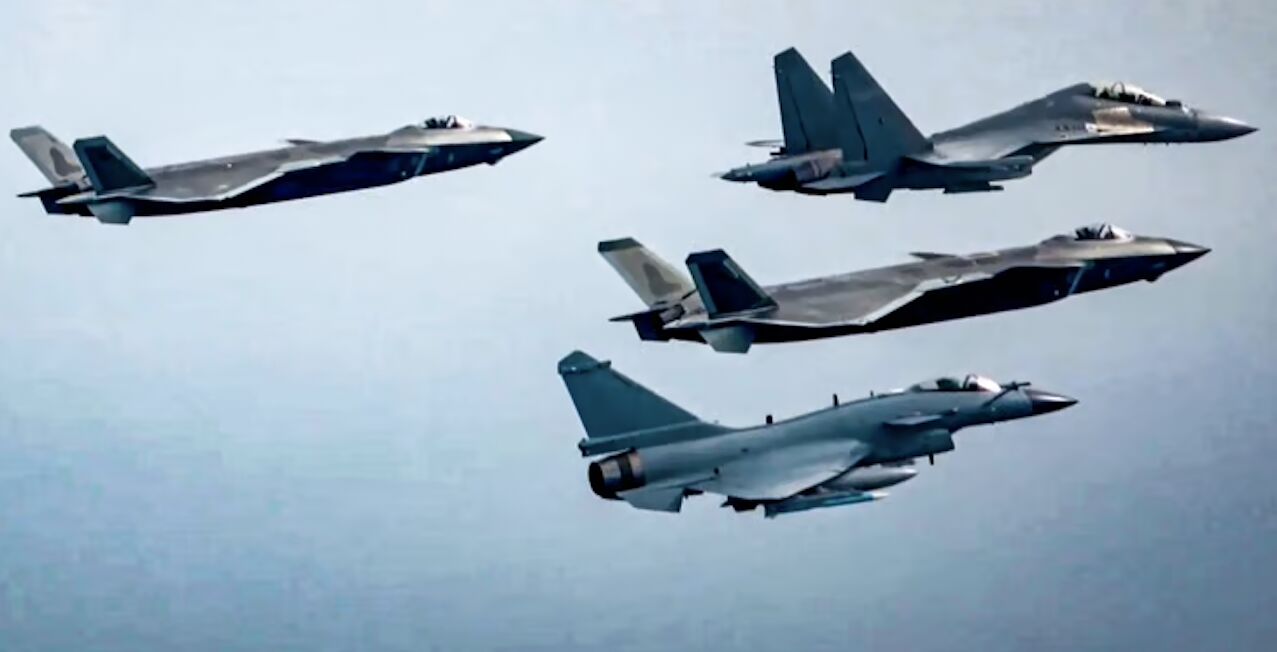
Exercises are unlikely to see the full scope of the J-16’s capabilities demonstrated, partly for security reasons, but also because even when not using its full combat potential it will retain a distinct advantage over Rafales and MiG-29s. Scenarios of some engagements are likely to be scripted to allow Egyptian air units a fighting chance. It is notable that only the baseline J-16 was deployed to Egypt, with the aircraft expected to operate not only alongside J-20 stealth fighters and support aircraft with complementary capabilities in a Pacific war, but also with J-16D electronic attack variants.
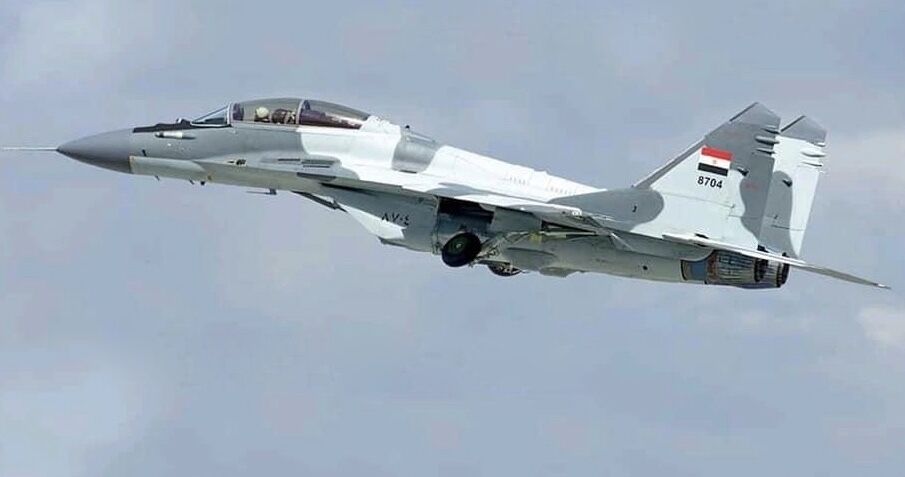
Egypt’s procurement of the MiG-29 represented a major milestone in the modernisation of its lagging beyond visual range combat capabilities, and provided a distinct edge over most regional fighter types, including Israeli Air Force F-16C/D and F-15 fighters, and Turkish Air Force F-16C/Ds. As neighbouring air forces have rapidly modernised, however, their standing has continued to decline, while the Rafale fighters Egypt has more recently procured have been barred fro integrating Meteor missiles for air-to-air combat, seriously constraining their potentials. Combat testing against the J-16 is expected to further highlight the extent of the MiG-29’s shortcomings, and those of the Rafale, against first tier fighter types, and could influence Egypt’s future procurement decisions.
